Clan MacMillan Tartans: History, Meaning & Styles
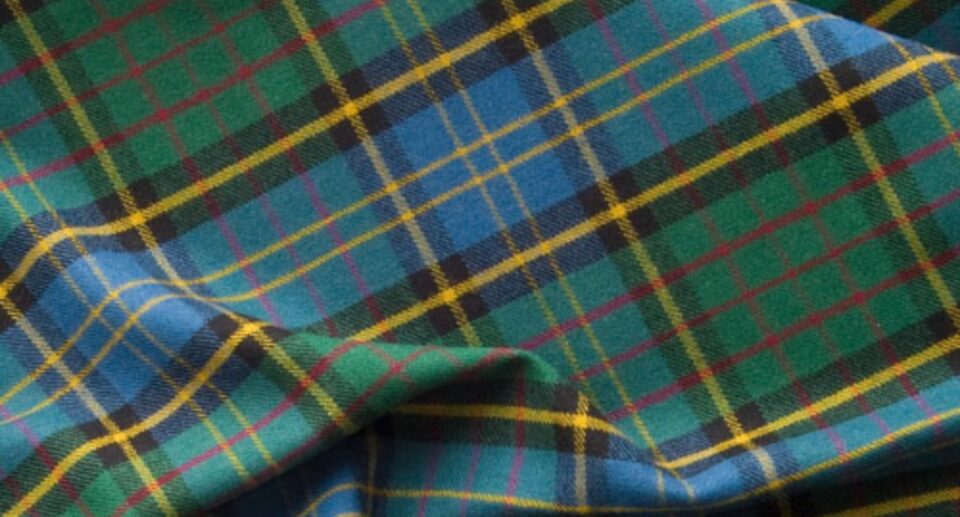
Tartans do more than decorate fabric. They carry memory, lineage, and pride. Among the historic Highland families, Clan MacMillan stands out for its deep-rooted identity and distinctive tartans. If you trace the threads carefully, you uncover a story of resilience, migration, and cultural continuity tied closely to Scotland.
This guide explores the origins, symbolism, and modern relevance of Clan MacMillan tartans, written with clarity, but grounded in scholarly insight.
The Origins of Clan MacMillan
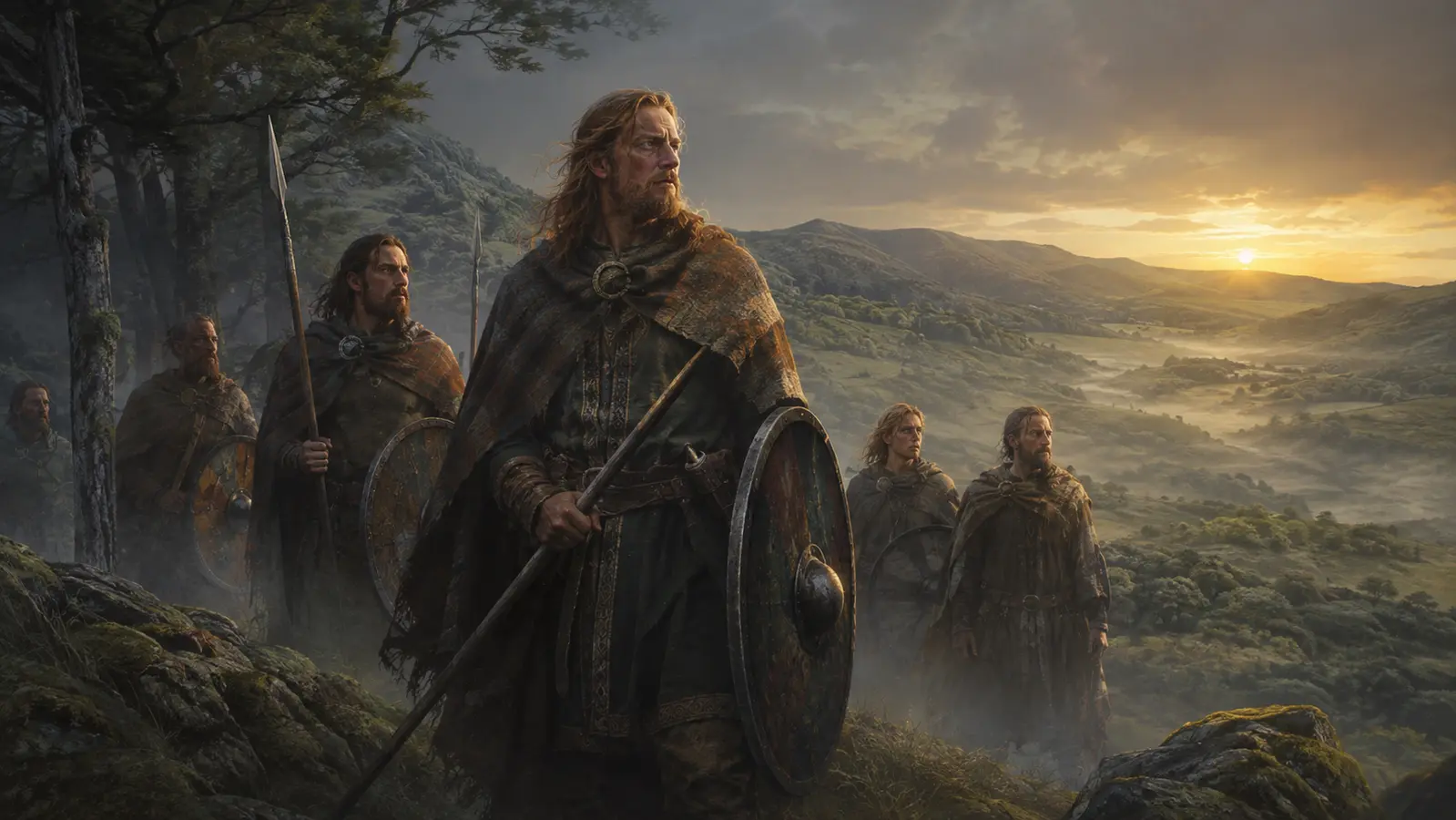
Clan MacMillan descends from ancient Gaelic lineage. The name itself derives from MacMhaolain, meaning “son of the tonsured one,” often linked to early religious figures. Historically, the clan occupied lands around Loch Tay and later spread across Argyll.

Their identity fits into the wider tapestry of Scottish clans. If you want broader context, explore this guide on
👉 https://celtguide.com/how-many-scottish-clans/
Clan MacMillan’s journey reflects the wider Highland experience; marked by loyalty, displacement, and adaptation.
Understanding MacMillan Tartans
Before diving into specifics, it helps to understand what tartan truly represents. You can read more here:
👉 https://celtguide.com/what-is-tartan/
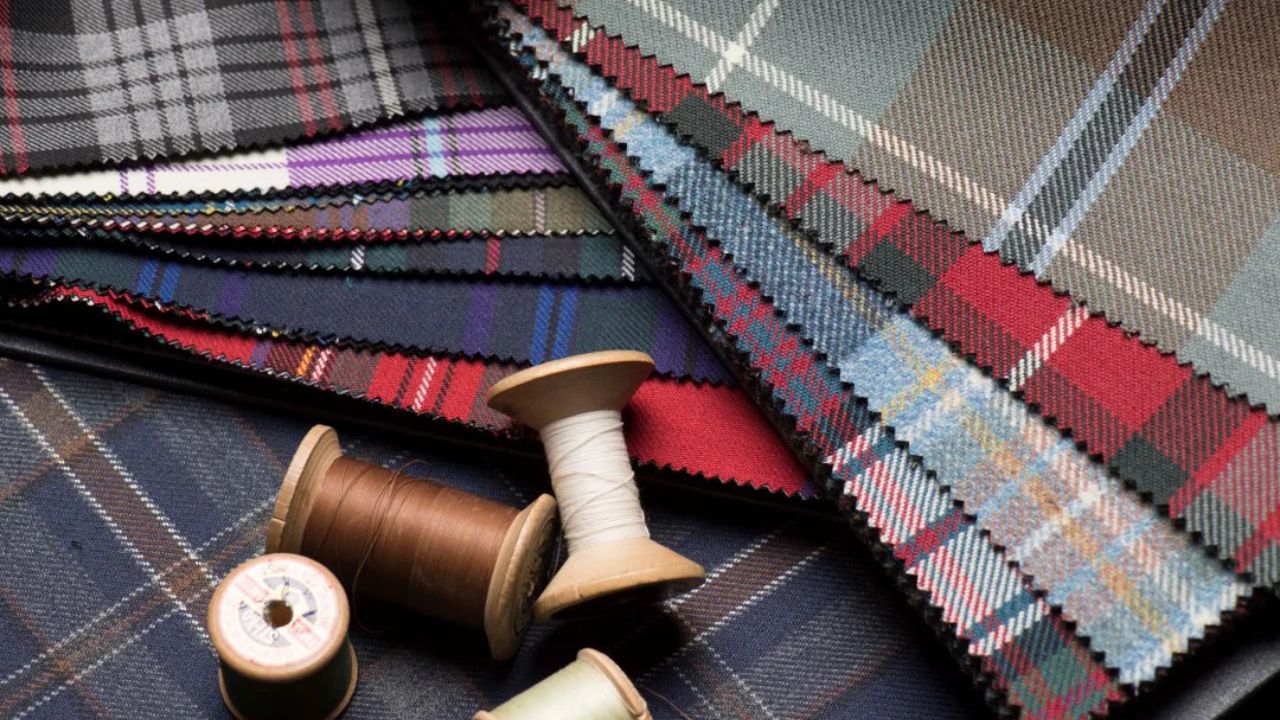
Tartan patterns consist of intersecting stripes that form a sett. Each variation communicates affiliation, status, or occasion.
Key MacMillan Tartans
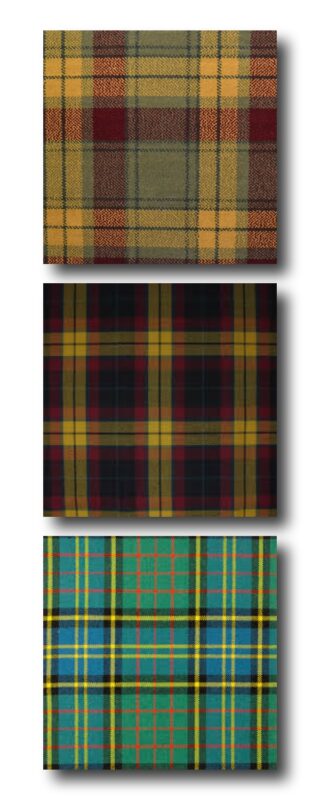
1. MacMillan Ancient
This version uses softer, lighter hues. It reflects natural dyes used in earlier centuries. The tones feel earthy and understated, making it ideal for traditional wear.
2. MacMillan Modern
The modern tartan sharpens the colors. Deep greens and bold reds dominate the pattern. It suits formal Highland dress and ceremonial events.
3. MacMillan Hunting
Designed with muted greens and browns, this tartan blends into natural landscapes. Historically, clansmen wore such patterns during outdoor pursuits.
Symbolism Woven into the Pattern
Each color within MacMillan tartans carries symbolic weight:
- Green represents the Highland landscape
- Red reflects courage and sacrifice
- Blue often signifies loyalty
- Black lines add strength and structure
These elements do not exist randomly. They reflect a worldview shaped by land, kinship, and survival.
How Old Are MacMillan Tartans?
Tartans evolved over time. They were not always fixed to clans. In fact, standardized clan tartans became popular during the 18th and 19th centuries.
For a deeper historical perspective, see:
👉 https://celtguide.com/how-long-has-the-tartan-prints-been-around/
MacMillan tartans, like many others, gained formal recognition during this period of cultural revival.
Wearing the MacMillan Tartan Today
Today, the MacMillan tartan remains a powerful symbol of identity. You do not need direct ancestry to appreciate or wear it respectfully.
Common Uses
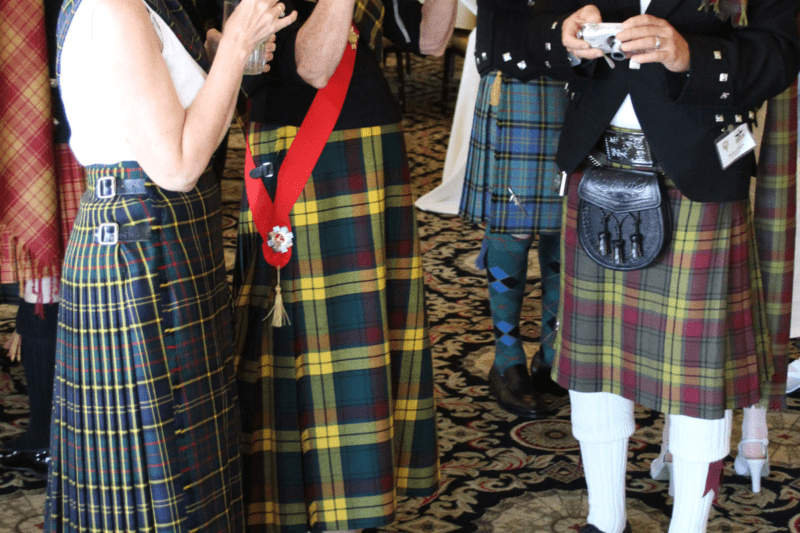
- Kilts for formal occasions
- Sashes for ceremonial dress
- Shawls and scarves for everyday style
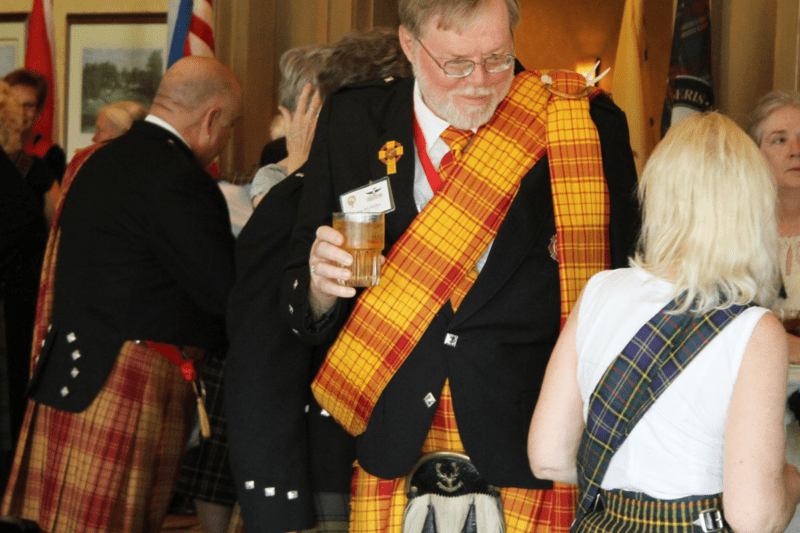
If you’re planning to wear one, these guides will help:
👉 https://celtguide.com/how-to-measure-for-a-kilt/
👉 https://celtguide.com/how-to-wear-a-tartan-sash/
You might also enjoy this related piece:
👉 https://celtguide.com/scottish-tartan-shawls-a-timeless-blend-of-heritage-and-elegance/
Clan Identity in a Modern World
Clan MacMillan tartans continue to connect people across continents. Whether in Scotland, North America, or beyond, descendants and admirers use these patterns to express belonging.
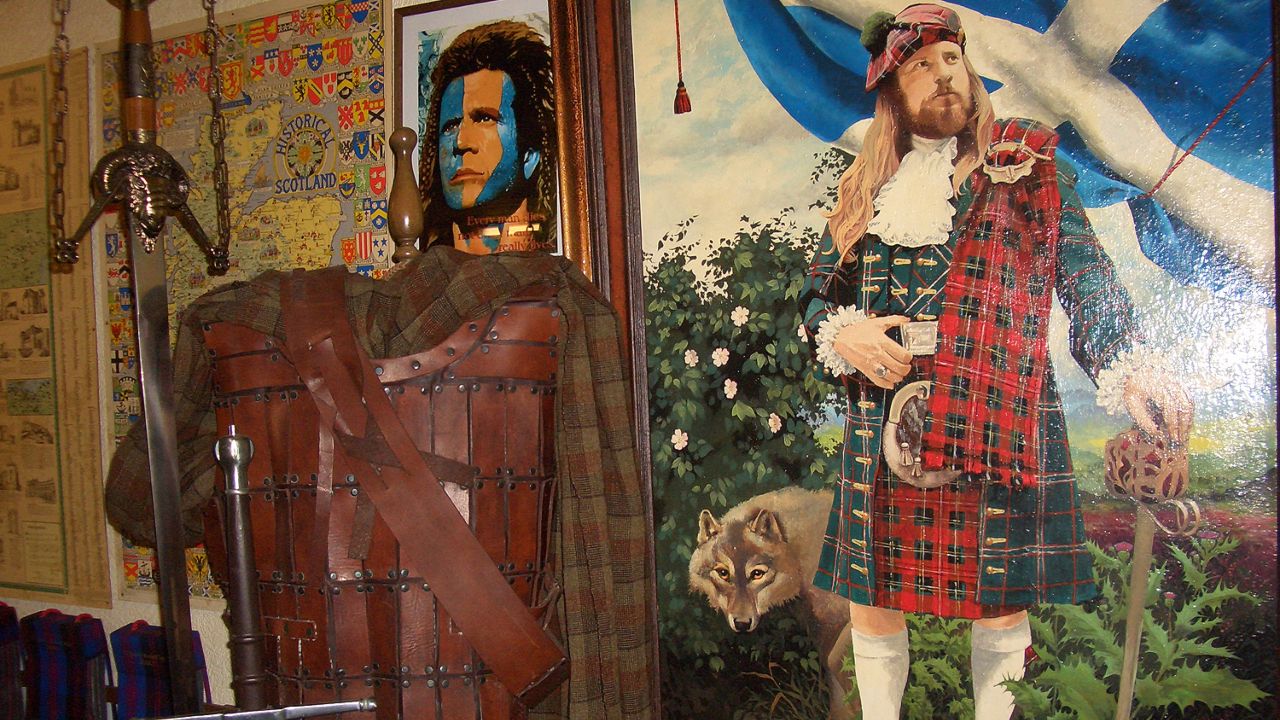
Interestingly, tartans have also entered popular culture. You can explore their presence in media here:
👉 https://celtguide.com/kilts-in-movies-and-shows/
This evolution shows how tradition adapts without losing its core meaning.
Cultural Significance Beyond Fashion
Tartans are not just garments. They function as cultural texts. They encode stories of migration, survival, and pride.
To understand the broader cultural richness of Celtic traditions, you may also explore:
👉 https://celtguide.com/celtic-stone-carvings/
Like carved stones, tartans preserve memory, only in fabric rather than stone.
Conclusion: More Than a Pattern
Clan MacMillan tartans represent more than aesthetic beauty. They embody centuries of history, identity, and resilience. When you wear or study them, you engage with a living tradition.
In a world that moves quickly, these patterns remind us to look back; to roots, to stories, and to the enduring threads that bind communities together.