
Irish Land League and Tenant Rights: A Struggle for Justice
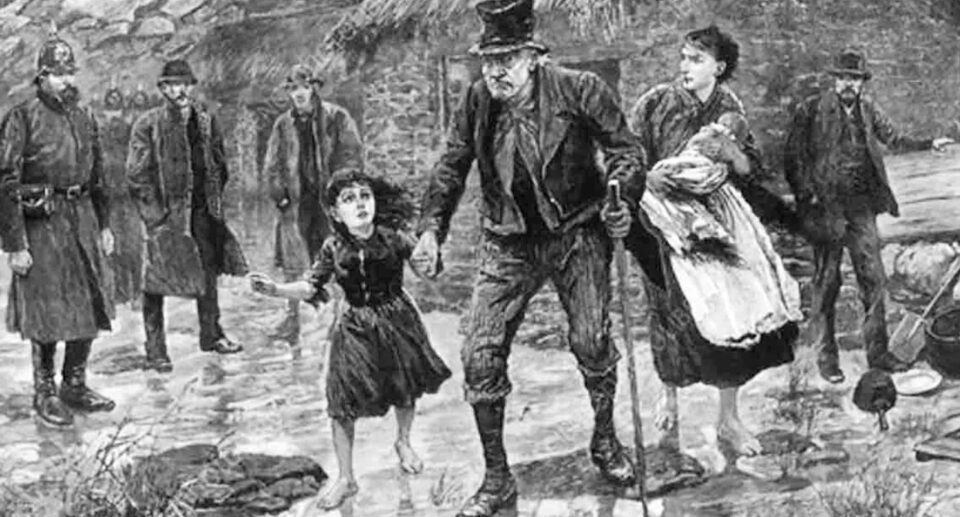
The story of the Irish Land League is not just political history. It is a deeply human narrative of survival, dignity, and resistance. In late 19th-century Ireland, land defined power. A small class of landlords controlled vast estates, while tenant farmers lived with constant insecurity. Against this imbalance, the Irish Land League emerged as a disciplined and visionary movement that reshaped Irish society.
The Roots of Agrarian Inequality
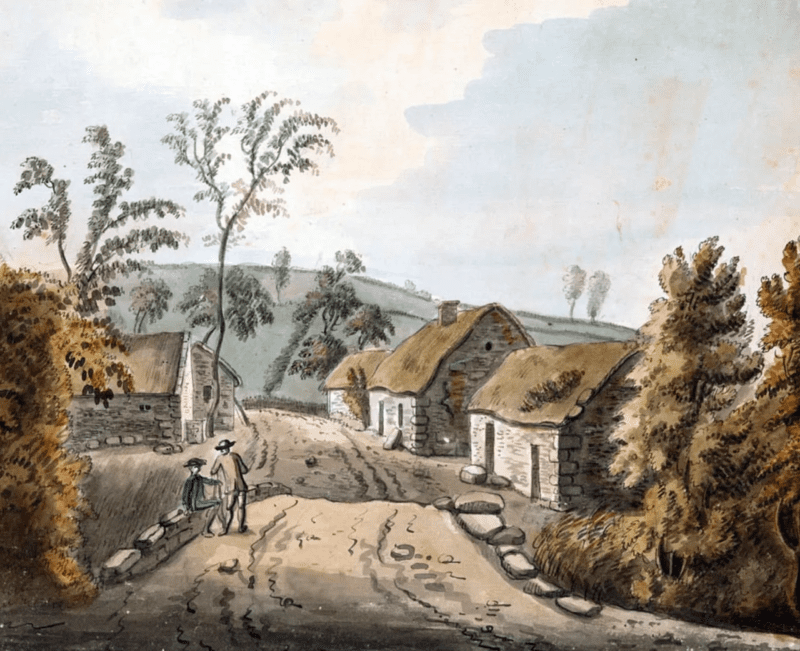
To understand the Land League, we must begin with the legacy of the Great Irish Famine. The famine exposed the fragility of tenant life. Farmers relied on rented land, yet landlords could evict them with little notice.
This system created fear and instability. Tenants invested labor into land they did not own. Improvements could still lead to eviction and rent increases. As explored in The Influence of the Irish Potato Famine, the catastrophe left lasting scars on Irish rural life.
By the 1870s, frustration had reached a breaking point. Farmers no longer accepted a system that denied them security and fairness.
The Formation of the Irish Land League

In 1879, Michael Davitt founded the Irish Land League. Soon after, Charles Stewart Parnell became its most prominent political voice.
The League aimed to transform the relationship between landlord and tenant. Its demands focused on what became known as the “Three Fs”:
- Fair rent
- Fixity of tenure
- Free sale of tenant interest
These demands sound modest today. Yet, in their time, they challenged the entire structure of land ownership in Ireland.
The Land War: Strategy and Resistance
The period between 1879 and 1882 is often called the Irish Land War. The term “war” reflects intensity, not armed conflict. The League promoted organized, non-violent resistance.
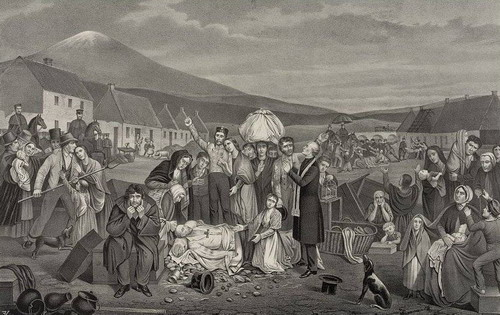
One of its most effective tactics was social ostracism. The case of Charles Boycott gave the English language a new word: “boycott.” Local communities refused to work for or interact with those who enforced unjust evictions.
This strategy showed remarkable discipline. It avoided widespread violence while applying strong pressure on landlords and authorities.
Legislative Change and Land Reform
The British government could not ignore the scale of unrest. A series of Land Acts followed, gradually improving tenant rights.
These reforms introduced:
- Judicial rent setting
- Protection against arbitrary eviction
- Opportunities for tenants to purchase land
The transformation was slow but profound. By the early 20th century, many Irish tenants had become landowners. This shift altered the social fabric of rural Ireland.
Cultural Context and National Identity
The Land League was not only about economics. It was deeply tied to Irish identity and nationalism. Control of land symbolized control of destiny.
Movements like the Land League existed alongside cultural revival. Traditions, music, and storytelling flourished during this period. You can see this cultural resilience in works like Why Are Irish People Natural Storytellers? and in enduring traditions such as The Significance of Saint Patrick’s Day.
Land, culture, and identity formed a single thread. Each reinforced the other.
Parallels with Other Rural Traditions
Interestingly, Ireland’s land struggle echoes experiences elsewhere in the Celtic world. For instance, the tenant struggles resemble the lives described in A Crofter’s Journey Through Time, where Scottish crofters also faced harsh landlord systems.
These parallels remind us that the Land League belonged to a broader pattern of rural resistance across the British Isles.
The Legacy of the Irish Land League
The achievements of the Irish Land League extend beyond legislation. It changed how ordinary people engaged with politics. Farmers became organized, articulate, and politically aware.
It also laid groundwork for future nationalist movements. Leaders like Parnell connected land reform with the larger goal of Irish self-governance.
Today, the Land League stands as a model of collective action. It combined moral clarity with strategic discipline. It proved that structural injustice could be challenged without abandoning social cohesion.
Conclusion
The Irish Land League transformed Ireland from a land of tenants into a land of owners. It addressed economic injustice while nurturing a broader sense of national identity.
Its story still resonates. It reminds us that land is never just soil. It carries memory, struggle, and belonging. And when people unite around justice, even the most entrenched systems can change.