Celtic Sacred Stone Circles: Landscapes of Memory and Meaning
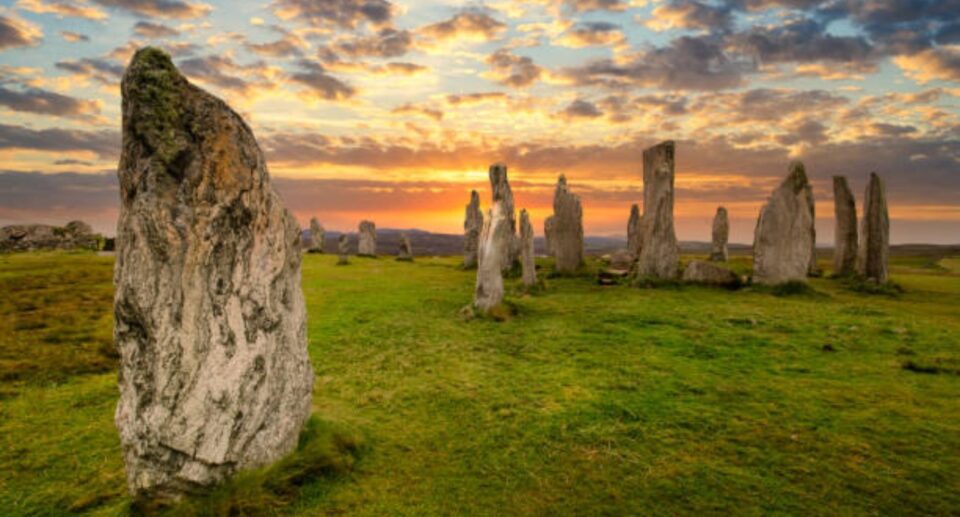
Celtic sacred stone circles stand quietly across windswept hills and fertile valleys. They hold a presence that feels both ancient and alive. These monuments do not simply mark space; they shape it. They invite reflection, ritual, and connection to a deeper past.
Scholars often debate their exact purpose, yet their significance remains undeniable. These circles form a bridge between the physical world and the unseen. They reflect a worldview rooted in rhythm, nature, and reverence.
What Are Celtic Sacred Stone Circles?
Stone circles are arrangements of upright stones, usually set in circular or elliptical patterns. Many date back to the late Neolithic and Bronze Age periods. While they predate the historical Celts, later Celtic communities embraced these sites and wove them into their spiritual life.
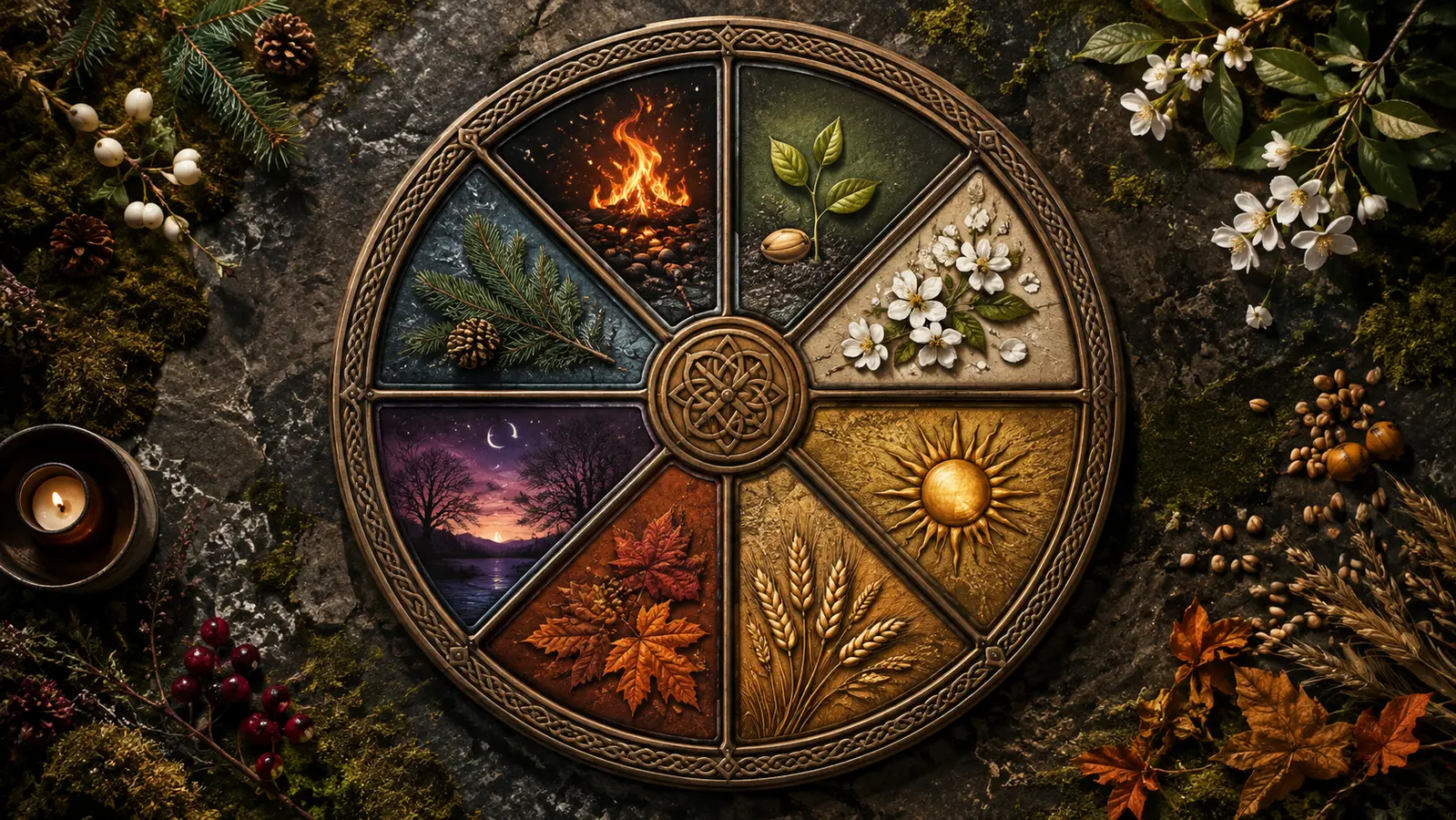
Each circle varies in size and design. Some feature a single ring, while others include multiple concentric circles. Many align with celestial events such as solstices and equinoxes. This alignment suggests a deep awareness of cosmic cycles.
These sites echo the symbolic importance of circles in Celtic culture. The circle represents continuity, unity, and eternity. It reflects a belief that life flows in cycles rather than straight lines.
Ritual, Astronomy, and Sacred Space
Stone circles likely served multiple purposes. Ritual gatherings stand among the most accepted interpretations. Communities may have assembled here for seasonal festivals, rites of passage, or communal ceremonies.
Astronomy also plays a key role. Some circles align precisely with sunrise or sunset during solstices. These alignments allowed ancient people to track time and seasons. They also reinforced the spiritual significance of the sun.
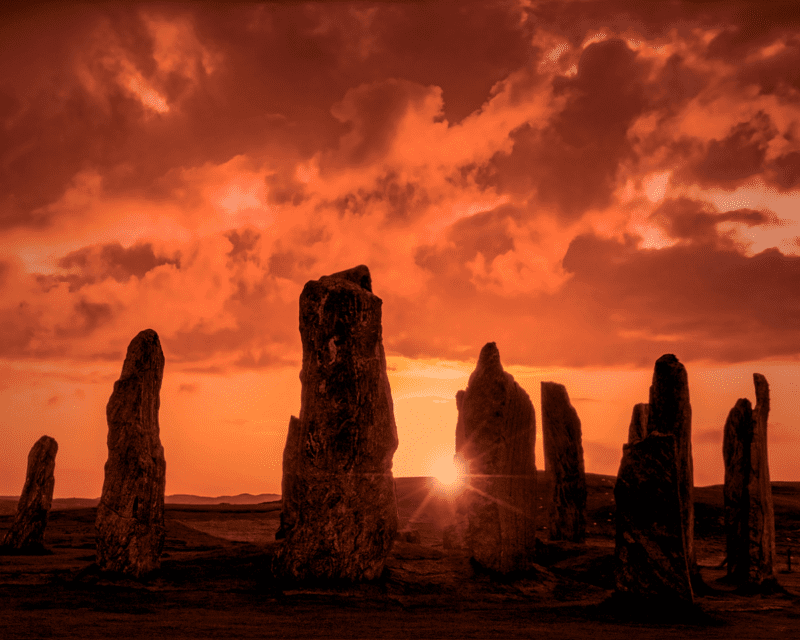
To deepen your understanding of Celtic cosmology, you may explore related mythological traditions such as
https://celtguide.com/celtic-sun-god-lugh/
Such connections reveal how celestial forces shaped both belief and daily life.
The Landscape as a Living Entity
Celtic sacred sites rarely stand in isolation. They form part of a broader sacred landscape. Hills, rivers, and forests often surround these circles. Each element contributes to the spiritual atmosphere.
This relationship between place and belief appears across Celtic traditions. For instance, sacred trees such as those discussed in
https://celtguide.com/celtic-oak-tree/
carry symbolic weight similar to stone circles.
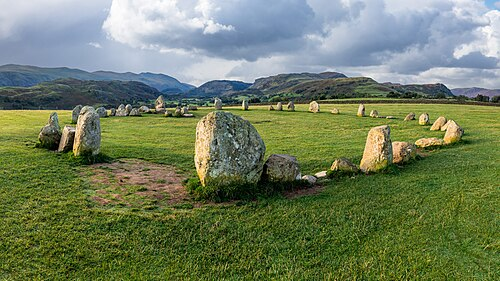
Likewise, pilgrimage sites like
https://celtguide.com/irish-holy-wells-portals-to-the-past-pathways-to-the-divine/
demonstrate how water, land, and ritual intersect.
Together, these elements create a network of meaning. They transform the landscape into a living, sacred map.
Symbolism and Cultural Memory
Stone circles act as vessels of memory. They preserve stories, even when written records remain absent. Oral traditions likely passed down their meanings across generations.
You can see this storytelling tradition reflected in Celtic culture more broadly in
https://celtguide.com/why-are-irish-people-natural-storytellers/
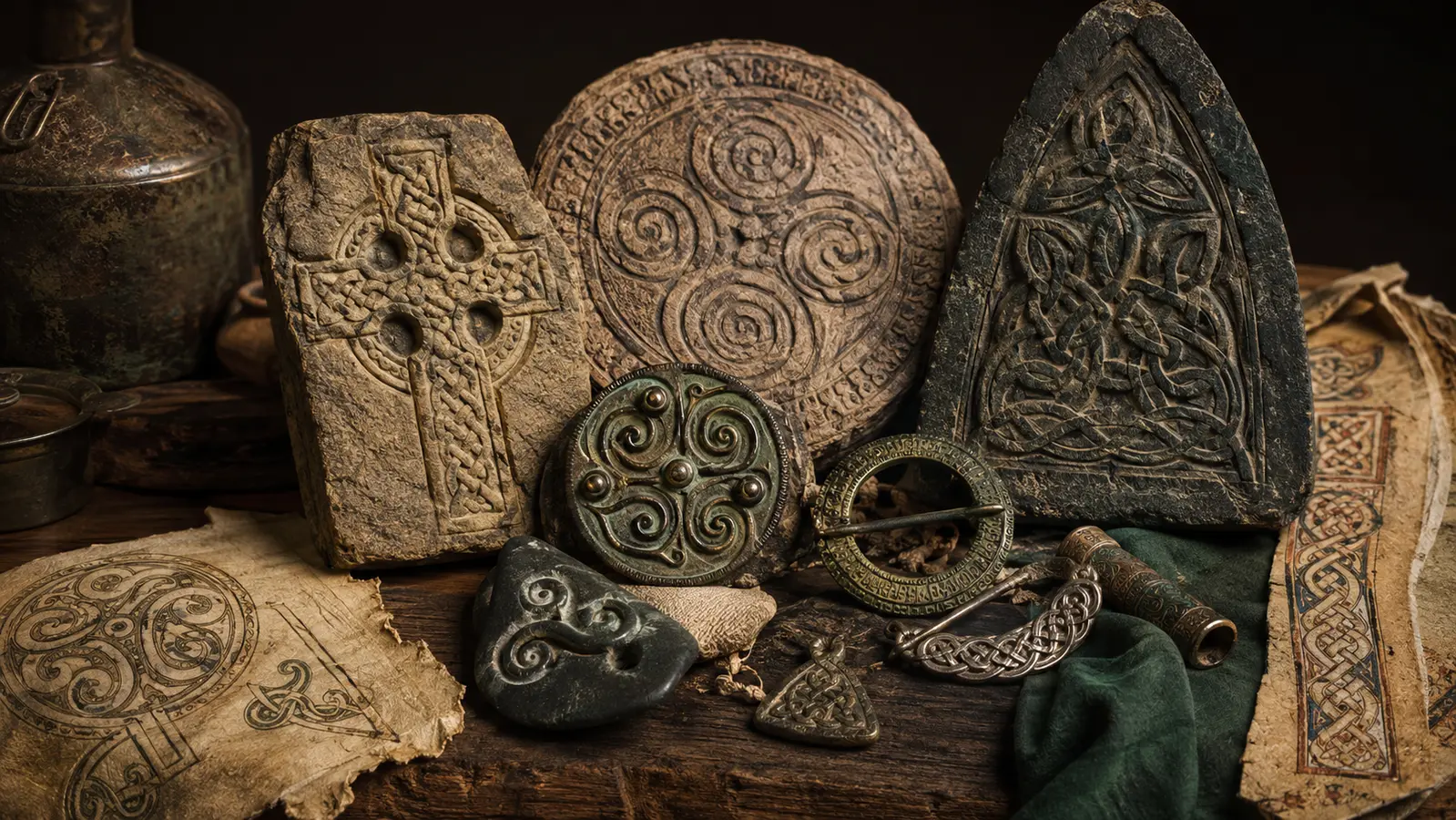
The stones themselves often feature carvings or markings. These connect them to broader traditions of artistry and symbolism, as explored in
https://celtguide.com/celtic-stone-carvings/
Such carvings deepen the sense that these monuments communicate ideas beyond words.
Famous Regions and Enduring Legacy
Ireland and Scotland host some of the most remarkable stone circles in Europe. Sites across regions like Kerry and the Scottish Highlands continue to draw visitors.
For a broader sense of Celtic landscapes, consider exploring
https://celtguide.com/ring-of-kerry/
and
https://celtguide.com/isle-of-mull/
These regions reveal how natural beauty and ancient heritage intertwine.
Despite centuries of change, stone circles endure. They resist simple explanation, yet they continue to inspire curiosity. Modern visitors often describe a sense of calm or wonder when standing within them.
Why Stone Circles Still Matter Today
Celtic sacred stone circles remain relevant because they invite us to slow down. They remind us that time moves in cycles, not just forward. They encourage reflection on our place within nature.
In a fast-moving world, these ancient structures offer stillness. They hold space for contemplation, connection, and imagination.
They also remind us that meaning does not always require certainty. Sometimes, mystery itself holds value.
Final Reflection
Celtic sacred stone circles stand as quiet witnesses to a long and layered past. They do not demand answers. Instead, they invite questions.
And perhaps that is their greatest power.