Scottish Islands (Outer Hebrides): Edge of the Atlantic, Heart of Gaelic Scotland
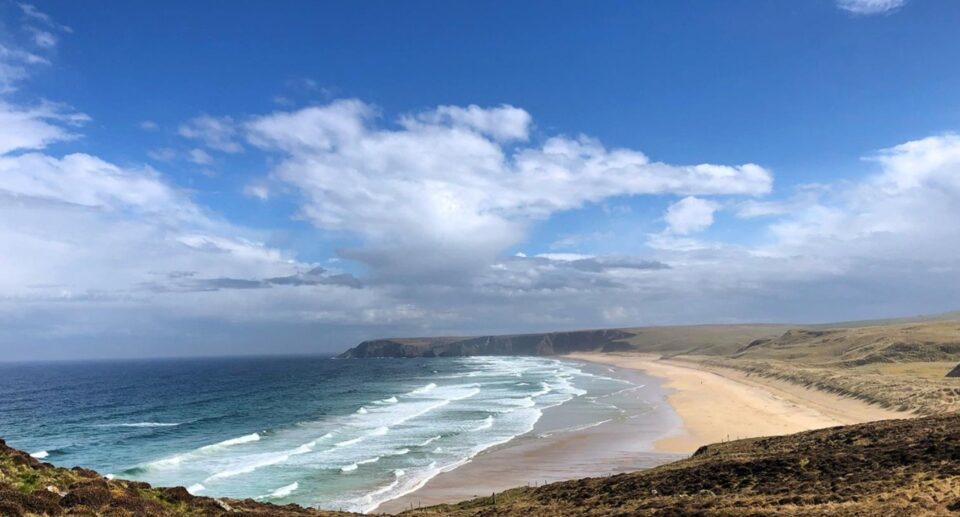
The Outer Hebrides rise from the Atlantic with quiet authority. Wind shapes their dunes. Salt sharpens their air. Gaelic still carries across moor and machair. These islands do not merely decorate Scotland’s map. They define its western imagination.
Known also as the Western Isles, the Outer Hebrides stretch from Lewis in the north to Barra in the south. They sit beyond the Scottish mainland, facing the open Atlantic. If you are exploring Scotland’s wider landscapes, begin with our main hub at https://celtguide.com/blog/ and continue into this remarkable archipelago.
Geography and First Impressions
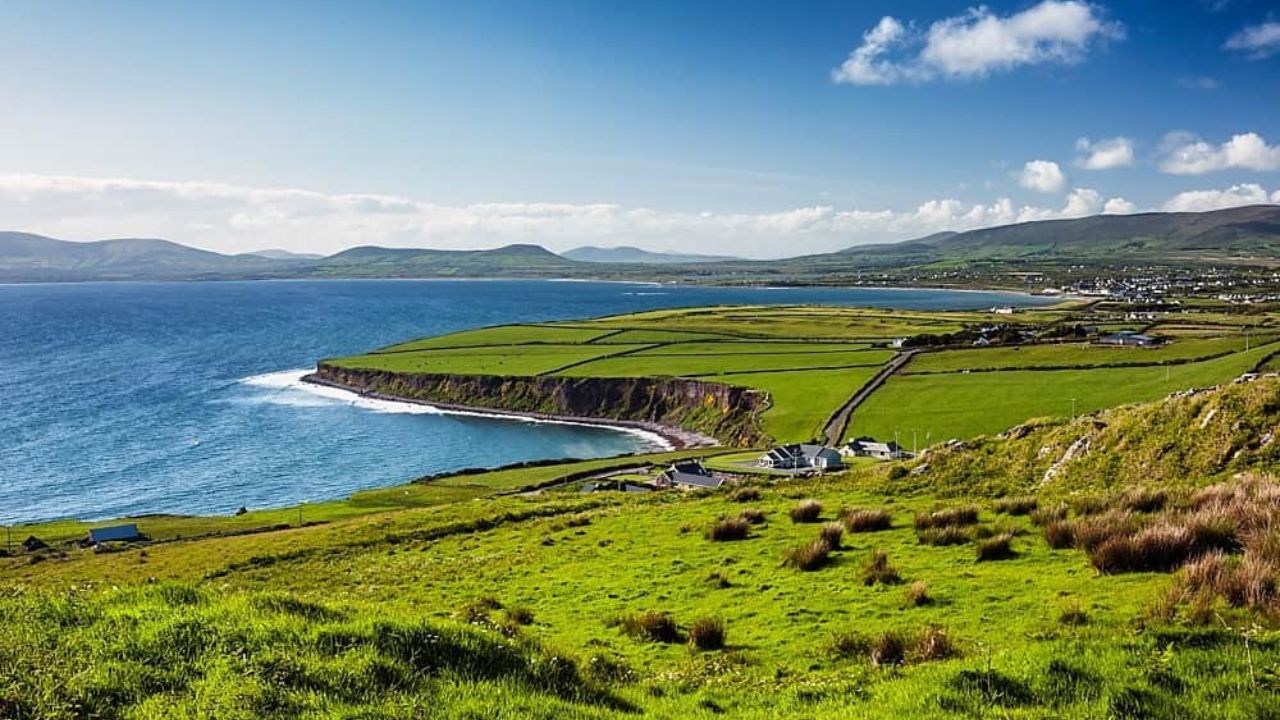
The chain includes Lewis and Harris (one island with two identities), North Uist, Benbecula, South Uist, and Barra. Mountains dominate Harris. Lewis opens into peatlands and lochs. White-sand beaches glow along the western coastlines.
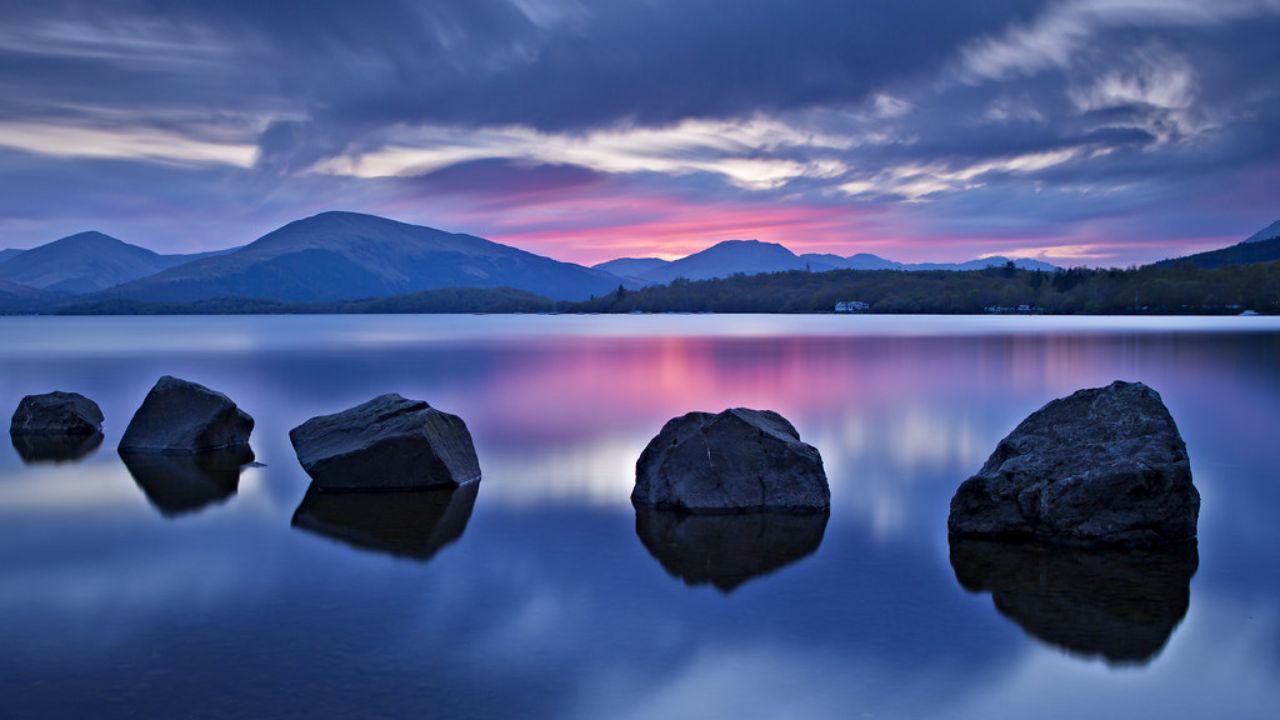
Unlike more sheltered Highland settings such as Loch Lomond, explored here: https://celtguide.com/is-loch-lomond-in-the-highlands/, the Hebrides face relentless Atlantic weather. That exposure has shaped architecture, farming, and even clothing.
Norse and Gaelic Foundations
The islands hold deep historical layers. Norse settlers ruled much of the Hebrides between the ninth and thirteenth centuries. They left linguistic traces in place names and maritime practices.
Yet Gaelic culture endured and flourished. The Outer Hebrides today remain one of the strongest Gaelic-speaking regions in Scotland. For insight into Gaelic’s written tradition, explore https://celtguide.com/scottish-gaelic-bible-translations/. Language here does not survive as ornament. It structures daily life.
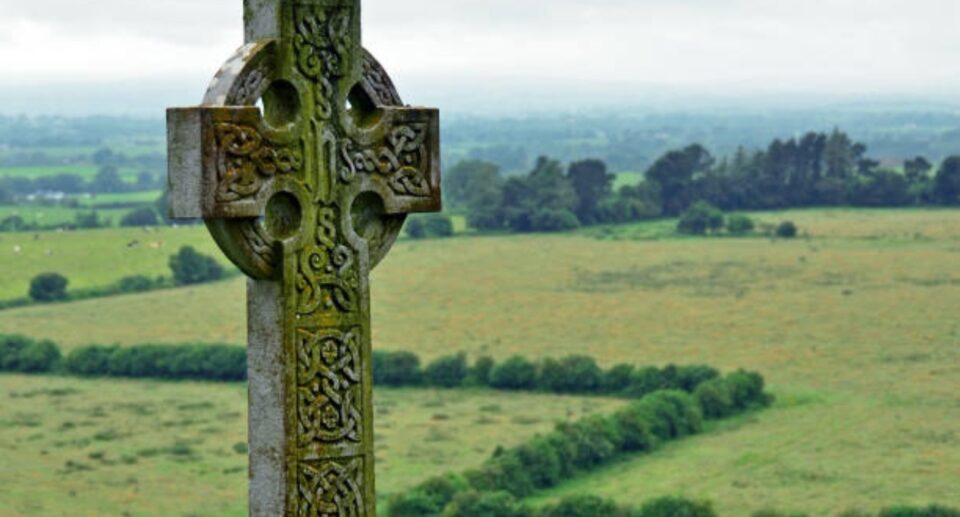
Stone crosses and carved slabs mark early Christian presence. For context on insular stone art, see https://celtguide.com/celtic-stone-carvings/. These monuments testify to spiritual continuity in remote landscapes.
Crofting and Community
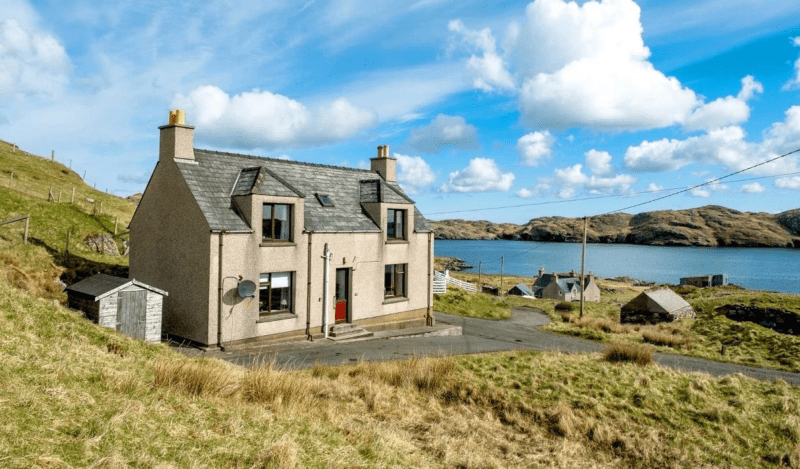
Life in the Outer Hebrides has long revolved around crofting. Families cultivate small plots, fish local waters, and share communal grazing land. Crofting encourages resilience and interdependence.
To understand this social fabric more fully, read https://celtguide.com/crofters-journey-through-time/. The Hebridean croft is not simply an economic unit. It expresses identity, memory, and land stewardship.
Clearances in the eighteenth and nineteenth centuries forced many islanders to emigrate. Their songs and stories travelled with them. The broader history of displacement across Celtic regions, including Ireland, appears in https://celtguide.com/the-influence-of-the-irish-potato-famine/.
Faith, Folklore, and the Sea
Religion shapes the Hebridean rhythm of life. Many communities observe the Sabbath with striking devotion. Church bells still anchor the week. For a reflection on sacred sound within Celtic tradition, visit https://celtguide.com/the-echo-of-ancestors-how-celtic-bells-ring-through-time/.
Folklore also thrives. Tales of selkies, seal-people who slip between sea and shore, remain vivid along these coasts. Explore their mythic resonance here: https://celtguide.com/selkies-in-folklore/.
The Atlantic horizon invites imagination. In broader Celtic cosmology, otherworldly realms such as Annwn echo across water and mist. For comparative mythic insight, see https://celtguide.com/what-is-annwn/.
Textile Heritage: Harris Tweed and Tartan
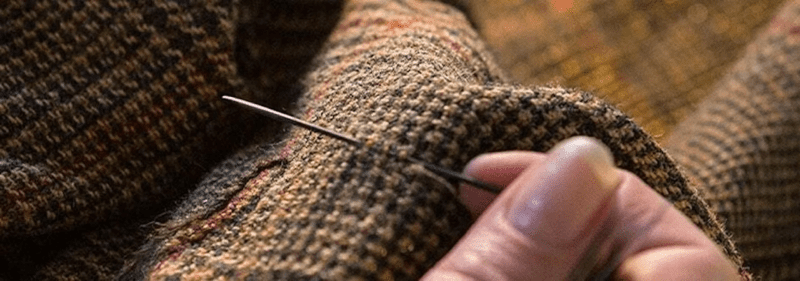
Harris Tweed stands among the most famous exports of the islands. Artisans weave it by hand in their homes. The cloth reflects land, sea, and sky in muted tones.
While tartan often evokes Highland identity, its cultural development stretches across Scotland. Learn more about its origins here: https://celtguide.com/what-is-tartan/ and its historical depth here: https://celtguide.com/how-long-has-the-tartan-prints-been-around/.
Traditional dress adapts to climate. If you are curious about Highland attire in challenging weather, consult https://celtguide.com/kilts-weather-scotland/. The Hebridean wind demands practicality as well as pride.
Music and Oral Tradition
The Outer Hebrides nurture a rich musical culture. Gaelic psalm singing in particular creates a powerful communal sound. It differs markedly from mainland styles.
Instrumental traditions also flourish. For insight into Celtic harp heritage, explore https://celtguide.com/what-is-a-clarsach-a-comprehensive-guide-to-the-celtic-harp/. Music here carries theology, history, and memory in equal measure.
Storytelling remains central. While Ireland often receives praise for narrative brilliance, see https://celtguide.com/why-are-irish-people-natural-storytellers/,the Hebrides sustain their own formidable oral tradition. Stories pass between generations beside hearth and shoreline.
Why the Outer Hebrides Matter Today
Modern infrastructure connects the islands more closely to mainland Scotland. Ferries, flights, and digital networks reduce isolation. Yet the Outer Hebrides retain a distinctive tempo.
They remind Scotland that cultural endurance depends on community practice. Gaelic thrives because families speak it. Tweed survives because weavers continue their craft. Folklore endures because storytellers repeat it.
If you wish to explore more destinations shaped by Celtic heritage, visit our Travel & Landscapes category here: https://celtguide.com/category/travel-landscapes/.
The Outer Hebrides stand at Europe’s Atlantic edge. Yet culturally, they occupy the centre of Gaelic Scotland. In wind-swept silence and in song-filled halls alike, they continue to shape the story of the nation.