Irish Horse Markets: Living Traditions of Trade and Culture
Irish horse markets offer more than commerce. They present a living archive of rural Ireland. Here, tradition meets negotiation, and culture shapes every transaction. These markets carry centuries of history, yet they still adapt to modern needs.
If you want to understand Ireland beyond its landscapes, you must stand among its horses, traders, and stories.
The Historical Roots of Irish Horse Markets
Horse trading in Ireland stretches back centuries. Rural communities relied on horses for farming, transport, and status. Markets became essential meeting points. Farmers, breeders, and buyers gathered to exchange livestock and knowledge.
Events like the Ballinasloe Horse Fair grew into major cultural institutions. Families passed down trading skills across generations. These markets reflected economic survival, but they also reinforced identity.
To grasp this continuity, explore broader Irish traditions such as storytelling in
👉 https://celtguide.com/why-are-irish-people-natural-storytellers/
Like stories, horse markets preserve memory through repetition and shared experience.
The Atmosphere of a Traditional Horse Fair
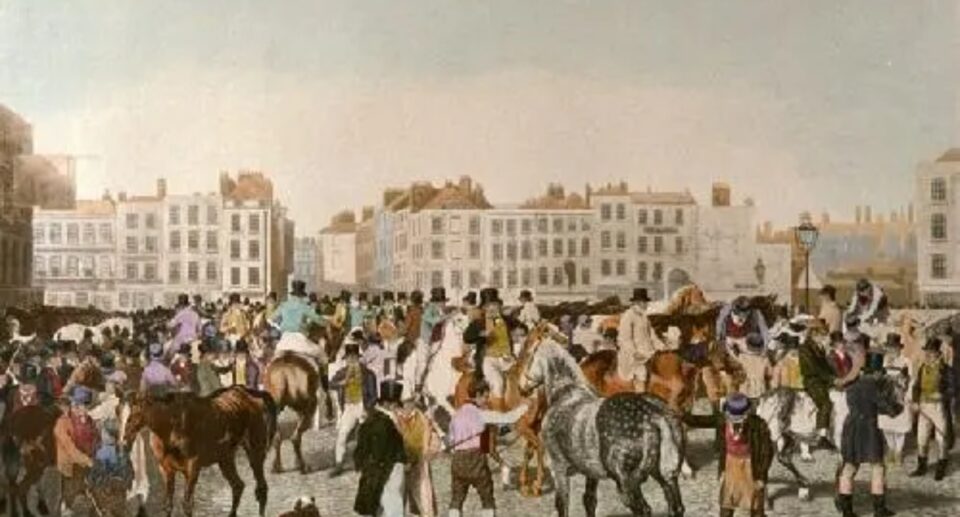
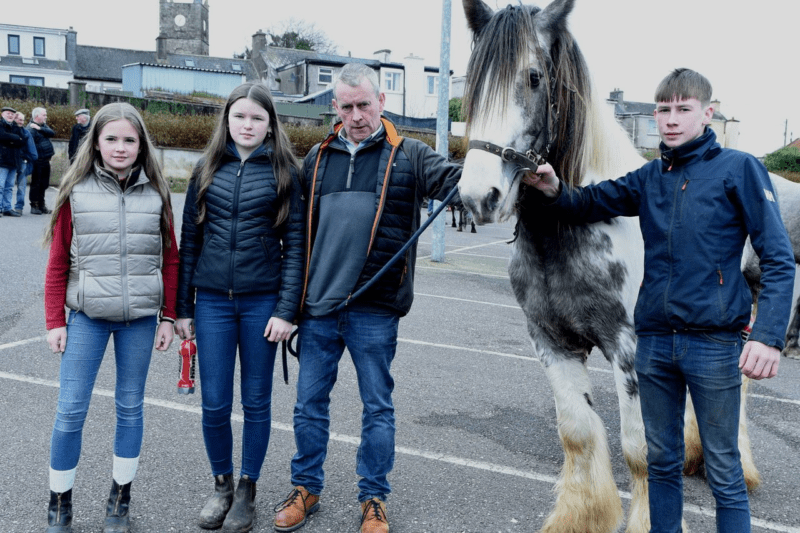
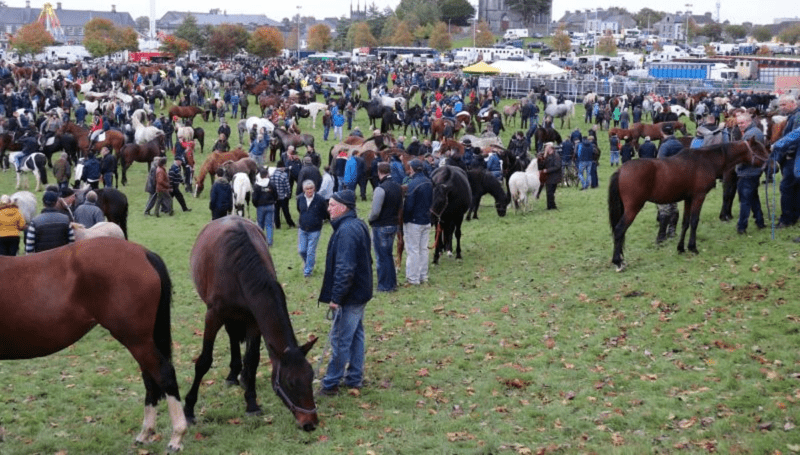
A horse market in Ireland feels alive from the first light of day. Traders arrive early. Horses stand in lines, groomed and ready. Conversations begin before deals.
You will notice:
- Direct negotiation styles
- Strong eye contact and body language
- Deep knowledge of horse lineage and condition
There is rhythm in the chaos. Voices rise, laughter follows, and deals close with a handshake.
Music often accompanies the scene. Traditional instruments echo nearby, much like those described in
👉 https://celtguide.com/the-bodhran-drum/
This fusion of trade and culture defines the Irish experience.
Major Irish Horse Markets You Should Know
1. Ballinasloe Horse Fair
This is one of Europe’s oldest and largest horse fairs. It attracts international buyers and local traders alike. The fair blends commerce with festival energy.
2. Spancilhill Horse Fair
Held annually, this fair reflects deep rural traditions. It remains authentic and community-driven.
3. Maam Cross Fair
Located in a scenic region, this fair connects trade with Ireland’s landscape heritage.
Markets like these resemble cultural gatherings seen in places such as
👉 https://celtguide.com/ring-of-kerry/
Both spaces reveal Ireland’s connection between land and livelihood.
The Role of Horses in Irish Culture
Horses hold symbolic and practical value in Ireland. They represent strength, freedom, and resilience. Historically, they shaped farming and transport. Today, they support sport, leisure, and tourism.
Their cultural significance aligns with other Irish symbols explored in
👉 https://celtguide.com/claddagh-ring-meaning-history-and-symbolism/
Both reflect identity through tradition and meaning.
Modern Evolution of Horse Markets
Irish horse markets have evolved. Regulations now ensure animal welfare. Digital platforms support trading, but physical markets remain vital.
Why do they persist?
- Trust develops face-to-face
- Buyers assess horses directly
- Tradition holds emotional value
Modern Ireland balances innovation with heritage. This balance mirrors shifts discussed in
👉 https://celtguide.com/crofters-journey-through-time/
Change occurs, but roots remain intact.
Social and Economic Importance
Horse markets support local economies. They create income for breeders, trainers, and rural families. Small businesses thrive around these events.
Beyond economics, they foster community:
- Families attend together
- Traditions pass across generations
- Cultural identity strengthens
Events like these echo communal gatherings seen in
👉 https://celtguide.com/the-significance-of-saint-patricks-day/
Both unite people through shared heritage.
What to Expect as a Visitor
If you visit an Irish horse market, approach with curiosity and respect.
Tips:
- Arrive early for the full experience
- Observe before engaging in trade
- Speak with locals to learn context
- Respect the animals and handlers
These markets reward patience. The deeper you engage, the more you understand.
Conclusion: More Than a Market
Irish horse markets stand at the intersection of economy and culture. They tell stories of resilience, adaptation, and identity. Each transaction carries echoes of the past.
In a rapidly modernising world, these markets remain grounded. They remind us that tradition does not resist change, it shapes it.