Scottish Bonnet Styles: A Journey Through Highland Heritage

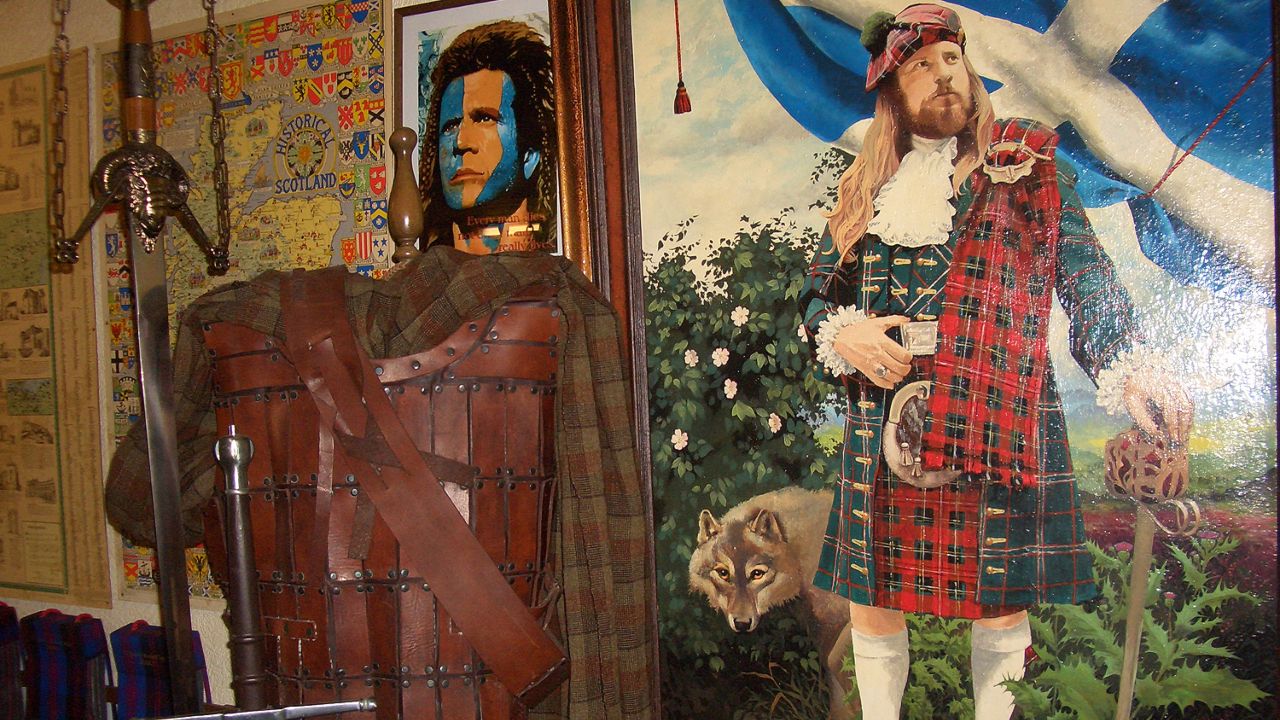
In Scotland, a bonnet isn’t just a piece of headwear. It’s a story woven in wool, shaped by history, and colored by clan pride. The Scottish bonnet carries centuries of identity, resilience, and style much like the Scottish tartan shawls that wrap the Highlands in heritage.
From windswept glens to formal Highland gatherings, each bonnet tells who you are and where you come from. Let’s explore the rich variety of Scottish bonnet styles, their origins, and their timeless place in Highland culture.
The Balmoral Bonnet: Grace of the Highlands
Named after Balmoral Castle, the Balmoral bonnet evolved in the 19th century but has older roots in Scottish military and civilian dress. It features a flat crown, a woolen body, and a trailing ribbon at the back.
Its neat, rounded form makes it both elegant and practical suitable for everything from Highland weddings to regimental parades. The Balmoral is often worn with clan badges, showing deep loyalty and pride, much like the symbolism explored in What Is Tartan?.

The Tam o’ Shanter: The Poet’s Bonnet
The Tam o’ Shanter, or simply “Tam,” is perhaps the most beloved Scottish bonnet. Its name comes from Robert Burns’ famous poem Tam o’ Shanter, where the titular character rides home in a storm, bonnet on head and whisky in hand.
The Tam’s large, floppy crown and soft woolen texture reflect both comfort and spirit — a bonnet for poets, soldiers, and shepherds alike. Learn more about its unique story in our dedicated feature on the Tam o’ Shanter Hat.

The Glengarry Bonnet: Military Pride and Precision
If the Tam is the poet’s hat, the Glengarry is the soldier’s. Born from Highland regiments, the Glengarry bonnet has a boat-shaped crown and sharp military elegance. Traditionally dark blue with black ribbons, it became standard headwear for Scottish soldiers in the 19th century.
Today, pipers, Highland dancers, and ceremonial guards still wear it proudly. It represents discipline, bravery, and the unity of clan and country — themes that echo throughout the Highlands, much like those reflected in the Highland Games.

The Blue Bonnet: The Cap of the Common Highlander
Before formal names like “Balmoral” or “Tam,” there was simply the blue bonnet — the everyday headwear of Highlanders. Knitted from thick wool dyed indigo, it kept farmers and fishermen warm against Scotland’s harsh weather.
In the 17th century, “bluebonnet” even became a nickname for Scots themselves, symbolizing national pride. This humble bonnet shaped the foundation for later designs and remains an emblem of working-class courage.

Clan Identity and Color in Bonnet Design
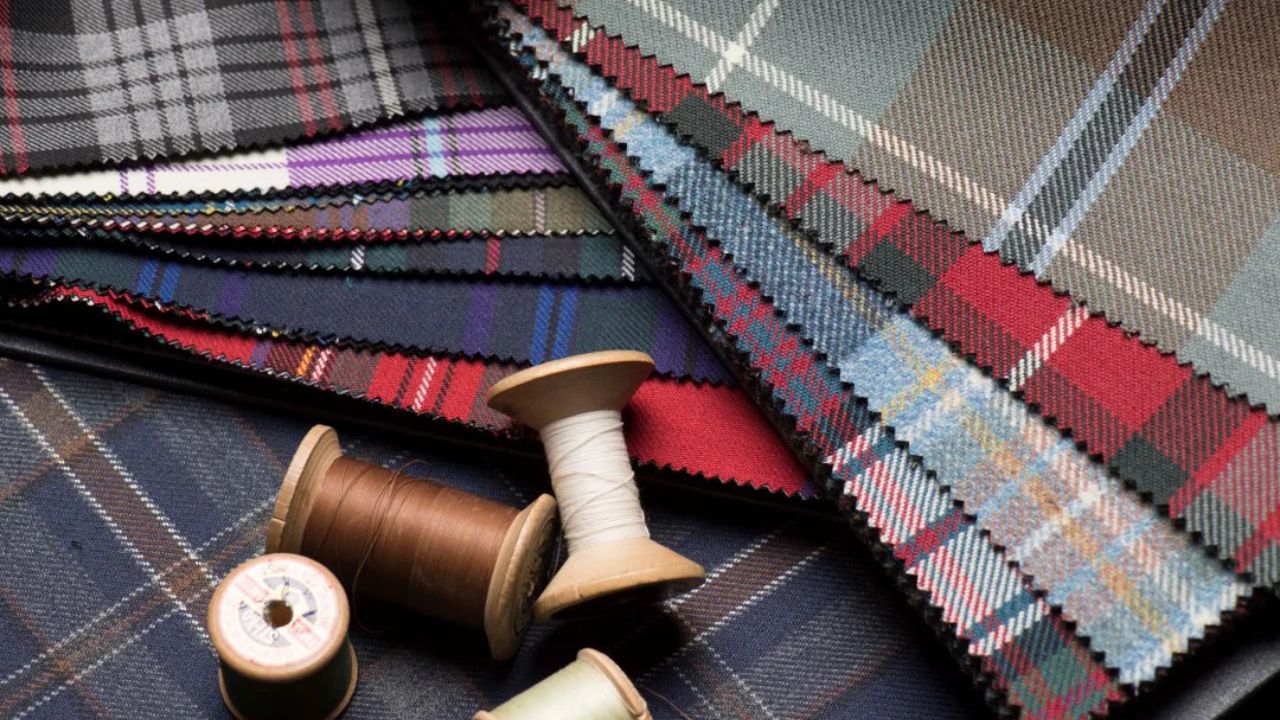
Color and pattern in Scottish bonnets are rarely random. Clan members often matched bonnet colors to their tartan patterns, creating unity between headwear and kilt. You can read more about the history of these intricate designs in How Long Has the Tartan Print Been Around?.
For formal occasions, bonnets are adorned with a clan crest badge or feather. These details show not only heritage but also social standing, a silent language of belonging shared across the glens.

Modern Revival: Tradition Meets Fashion
In today’s Scotland, bonnets are enjoying a renaissance. Designers blend traditional wool textures with modern tartan shades, creating contemporary headwear that honors the past.
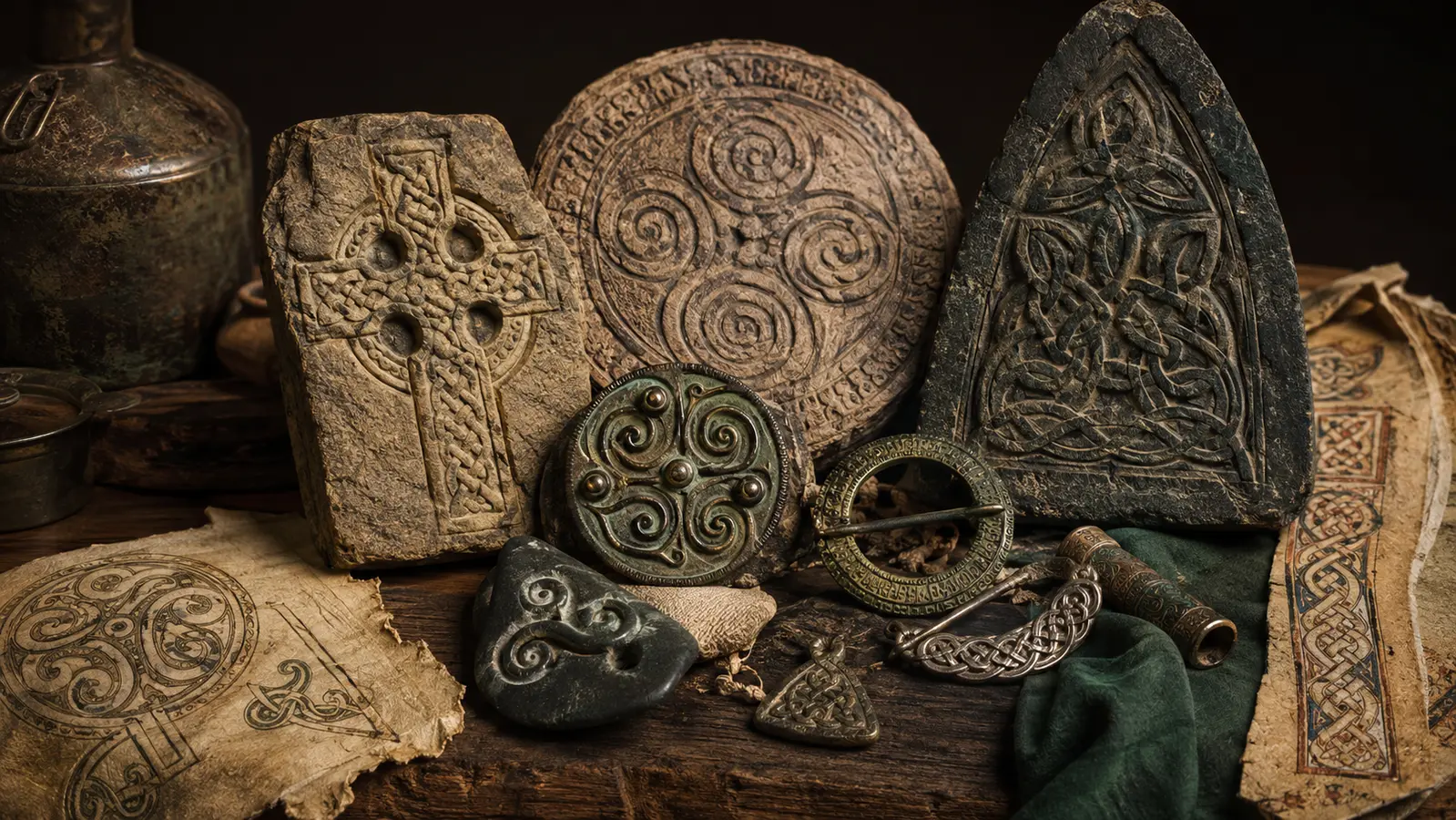
Whether at Highland games, Burns suppers, or weddings, the bonnet remains a mark of Scottish pride; practical, elegant, and undeniably iconic. This revival mirrors the enduring love for other Celtic art forms, like the musical heritage explored in The Bodhrán Drum and Celtic Stone Carvings.
Conclusion: The Bonnet as a Symbol of Scottish Soul
Each Scottish bonnet style carries its own story of poetry, battle, craftsmanship, and identity. From the sturdy blue bonnet to the ceremonial Glengarry, these headpieces embody Scotland’s layered history.
They remind us that heritage lives not only in castles and kilts but in the small, daily symbols we wear with pride. The bonnet, like the Highland spirit itself, never fades.