Title: The Green Man of Celtic Lore: Nature’s Eternal Guardian

If you wander through old Irish abbeys or Scottish chapels, you may find a mysterious face hidden in the stone, eyes peering from a crown of vines, mouth entwined with oak or ivy. This is the Green Man, one of the most enduring figures of Celtic mythology and folklore.
To the Celts, the Green Man wasn’t a mere ornament. He was the living spirit of nature, the pulse that connected humans, forests, and gods. His leafy visage whispered of rebirth, growth, and the endless cycle of life.
Roots in the Celtic World
While versions of the Green Man appear across Europe, his spirit feels most at home in Celtic lands. The Celts revered the natural world as sacred; trees, rivers, and stones all carried life energy. The Green Man embodied that sacred link.
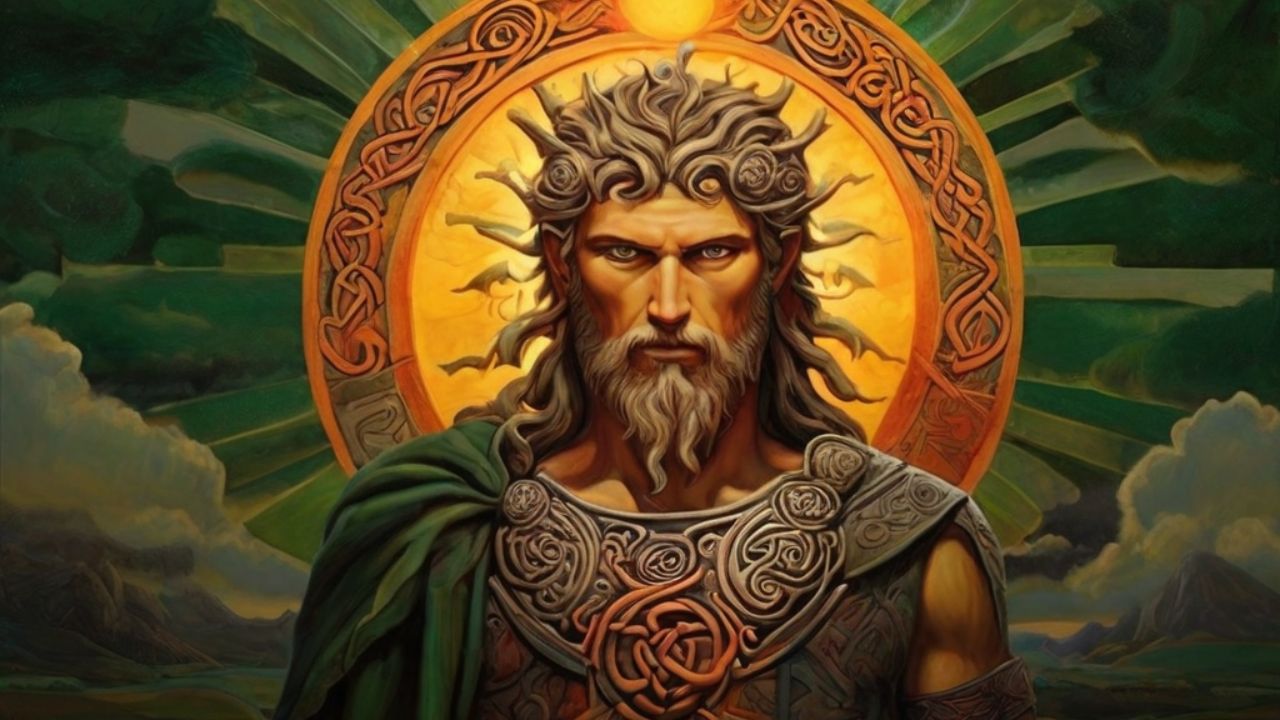
In ancient Ireland and Britain, he symbolized fertility and regeneration. Each spring, when leaves burst forth and the land came alive again, the Green Man’s power returned, an image echoing the Celtic Sun God Lugh’s vitality and radiance (read more here).

The Many Faces of the Green Man
No two Green Men look alike. Some grimace through clusters of oak leaves, while others smile softly through vines. His image appears carved in wood and stone, painted in manuscripts, and even hidden in medieval churches.
The oak, often associated with wisdom and endurance, frequently frames his face. This connection runs deep with Irish lore just as explored in Celtic Oak Tree: Strength, Endurance, and Myth.
In some depictions, leaves sprout from his mouth, suggesting speech or breath — nature itself speaking through the human form. In others, he seems caught between decay and renewal, symbolizing the eternal dance of death and rebirth.

Pagan Roots and Christian Echoes
As Christianity spread across Celtic lands, the Green Man endured. Medieval stonemasons carved him into cathedrals and abbeys, not as a pagan god to defy the Church, but as a quiet reminder of creation’s divine rhythm.
His image reminded worshippers that life emerged from the earth and would return to it. Even when wrapped in Christian architecture, the Green Man carried the whispers of ancient Celtic spirituality, much like how sacred wells and springs retained their mystical roots (see Irish Holy Wells: Portals to the Past).

The Green Man and the Cycle of Life
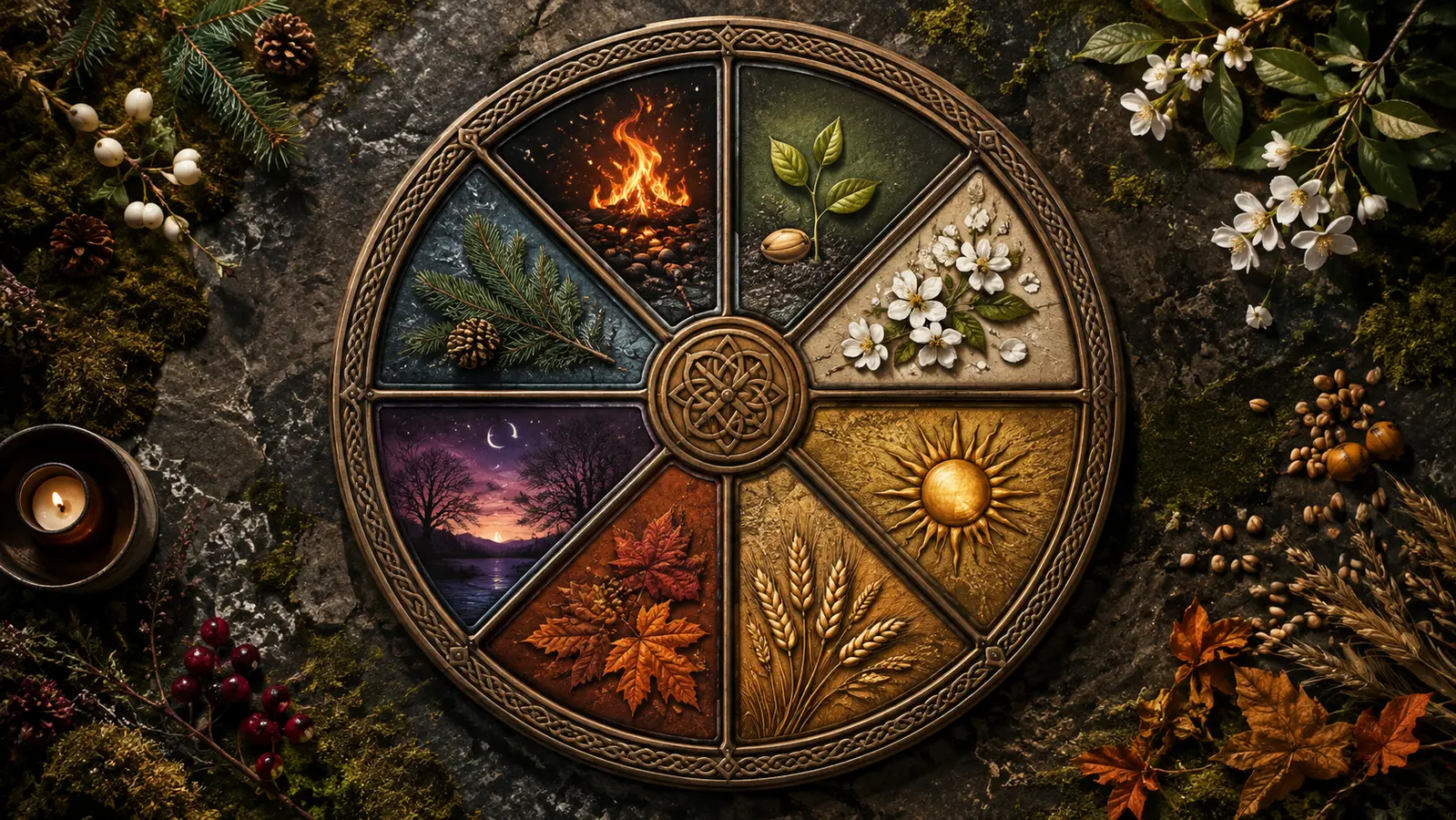
In Celtic cosmology, time moved in circles, not lines. Seasons cycled endlessly — birth, death, renewal. The Green Man stood at the heart of that rhythm. His leaves decayed each autumn, only to bloom again come spring.
This eternal return mirrors the Dagda’s Cauldron, another Celtic symbol of renewal and abundance (read more). Through him, the Celts expressed their belief that all endings feed beginnings, that nature’s spirit never dies.
Folklore, Festivals, and the Living Green Man
The Green Man wasn’t just a stone carving, he was a living part of community life. During Beltane, Ireland’s spring festival, villagers would wear garlands and dance through greenery, invoking his blessing for fertile crops and happy homes.
Even today, you can find echoes of him in modern festivals and art across the Celtic world. He remains a favorite symbol in carvings, jewelry, and tattoos, an emblem of humanity’s bond with nature.

The Green Man’s Message for Today
In our age of concrete and technology, the Green Man’s presence feels more vital than ever. His face reminds us that we belong to the earth, not above it.
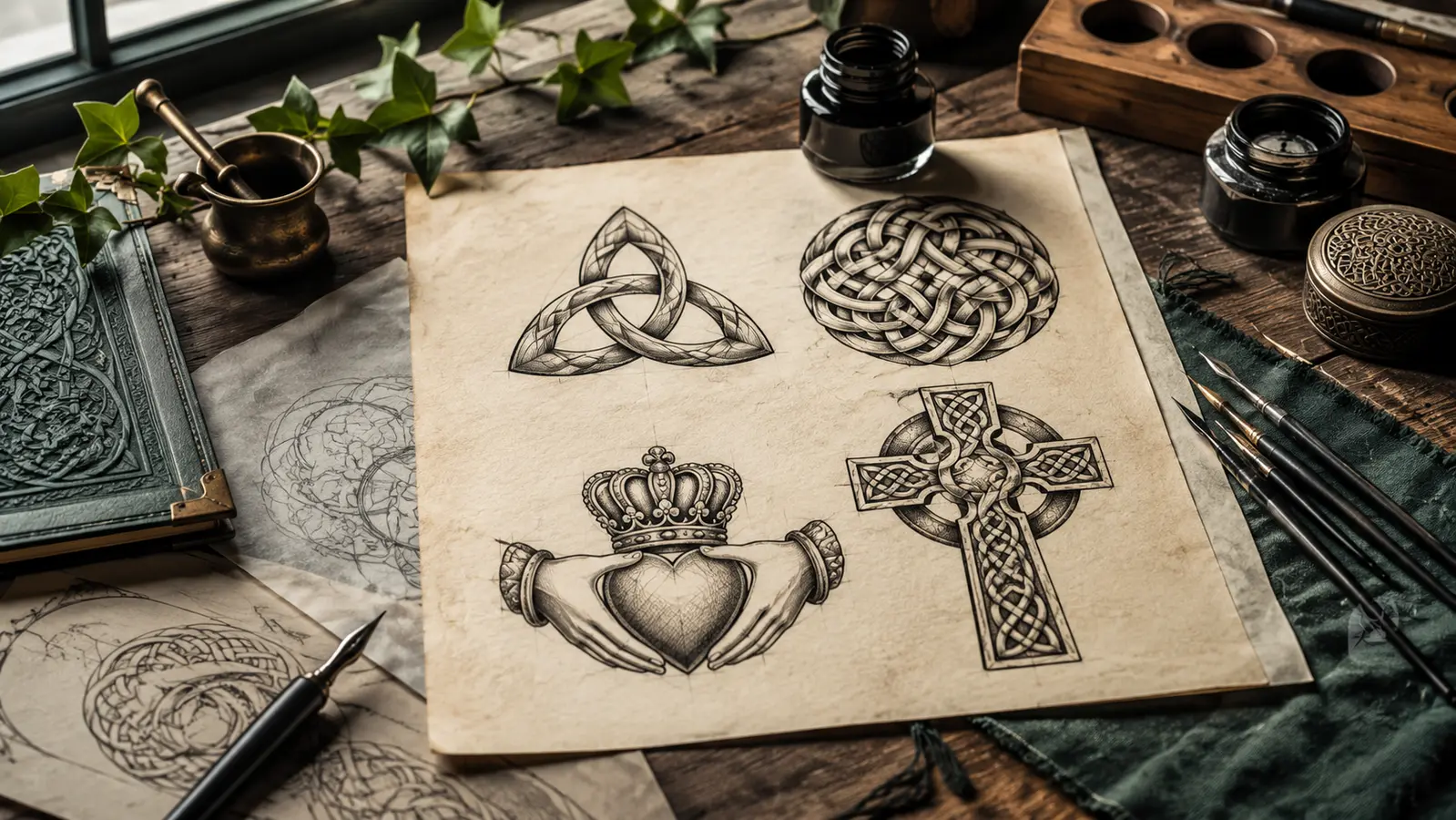
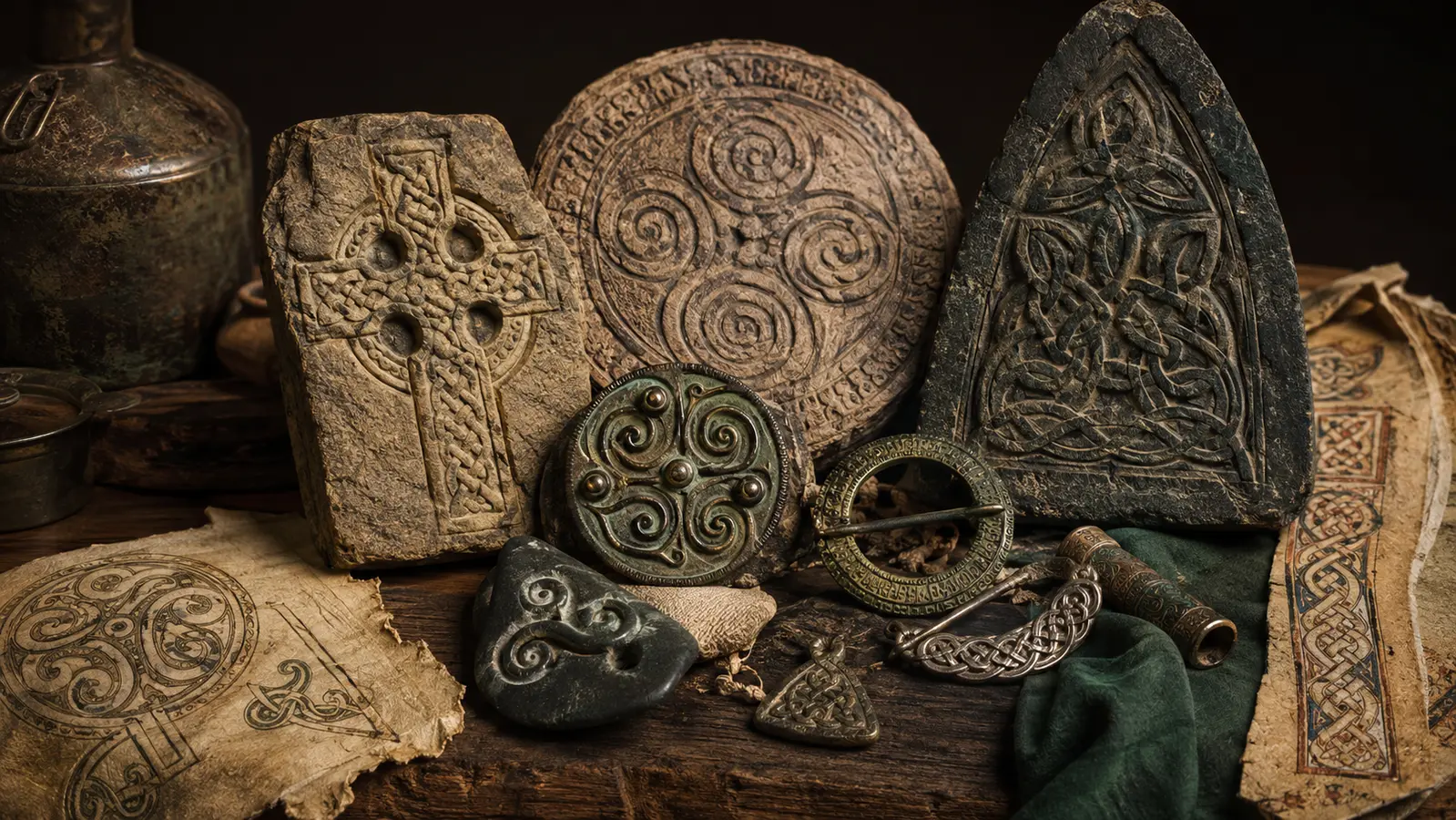
Like the Celtic stone carvings that preserved ancient symbols of faith and nature (see more here), his image still speaks, urging us to live in harmony with the living world.
Conclusion: The Spirit That Endures
The Green Man of Celtic lore remains one of the most profound symbols of humanity’s bond with nature. He watches through the leaves, reminding us of what the Celts always knew — that the wild and the human are not separate, but one breathing spirit.
In every forest breeze and growing leaf, the Green Man lives still the eternal guardian of the green world.