The Irish Penal Laws: Suppression, Resistance, and the Spirit of Survival

The Irish Penal Laws were a harsh series of statutes that aimed to break the cultural, religious, and economic strength of Ireland’s Catholic majority. They were designed not only to control faith but to reshape identity itself. Yet, through centuries of restriction, the Irish spirit refused to vanish. This era became one of both deep suffering and remarkable endurance, a story that shaped the soul of modern Ireland.
Origins: Faith and Fear in the 17th Century
The Penal Laws emerged in the late 1600s, after the defeat of Irish Catholic forces during the Williamite War. English lawmakers feared another uprising supported by Catholic France or Spain, so they struck at the root religion.
The laws prohibited Catholics from owning land, entering the legal profession, bearing arms, or even educating their children in their faith. Priests were hunted, churches fell silent, and Catholic schools went underground.

Daily Life Under the Penal Laws
For most Irish families, life under the Penal Laws meant quiet resilience. Catholics could not own a horse worth more than five pounds. Land inheritance laws forced Catholic estates to fragment until families held barely enough to survive.
Still, people found ways to resist. Secret “hedge schools” taught children the Irish language, history, and catechism beneath trees or along stone walls. Priests said Mass on open hillsides, often at dawn, before patrols arrived.
These acts of defiance weren’t loud—they were whispered, sung, and shared in stories. Ireland kept its soul alive through oral tradition, much like the storytelling culture explored in “Why Are Irish People Natural Storytellers?”.

Resistance and Quiet Defiance
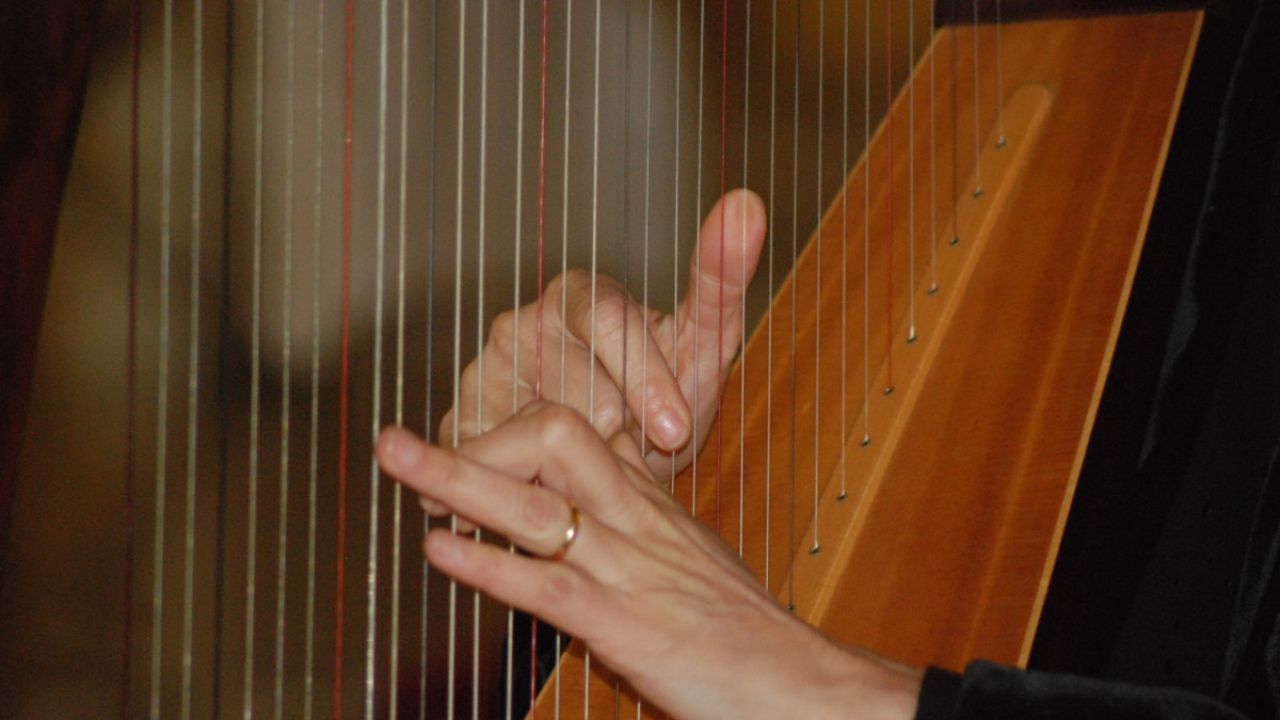
Despite restrictions, Irish Catholics never surrendered their cultural identity. Music, language, and folklore became acts of resistance. Instruments like the clarsach (Celtic harp) played songs of sorrow and rebellion.
Communities formed tight networks of trust, helping one another hide priests and maintain the old ways. The Penal era gave birth to many of Ireland’s enduring symbols of unity and faith, such as the Claddagh ring—its hands, heart, and crown reflecting love, loyalty, and fidelity amid hardship. (See: “Claddagh Ring: Meaning, History, and Symbolism”)

The Easing of the Penal Codes
By the late 18th century, Britain faced new global pressures and began to relax some Penal Laws. Catholic emancipation came gradually, leading to the landmark Catholic Relief Act of 1829.
However, centuries of discrimination had left deep scars on Irish society. Land ownership patterns remained unequal, education was fragile, and the wounds of faith and class division endured.
Legacy: The Laws That Forged a People
The Penal Laws failed in their ultimate aim. Rather than erasing Irish Catholic identity, they made it more resilient. The shared suffering united people across regions and clans, creating a collective memory that still shapes Irish pride and politics today.
Their legacy lives not just in history books, but in the deep sense of endurance and storytelling that runs through Irish culture. The struggle under the Penal Laws laid the groundwork for later movements toward independence and social justice.

Conclusion: Memory as Resistance
The Irish Penal Laws tell a painful story, but also a powerful one. How a people can endure centuries of suppression and still keep their heritage intact. Through music, faith, and quiet courage, the Irish transformed suffering into identity.
Even today, when we celebrate Irish culture through music, symbols, or gatherings, we honor those who kept the flame alive when the world tried to extinguish it.