Irish Love of Horses and Horse Racing: A Heritage That Runs Deep

Few cultures in the world share as intimate a bond with horses as the Irish. Across misty hills, open bogs, and lush meadows, horses have long been Ireland’s faithful companions in work, in war, and in celebration. The Irish love of horses is not just about sport or status. It’s a reflection of history, mythology, and identity.
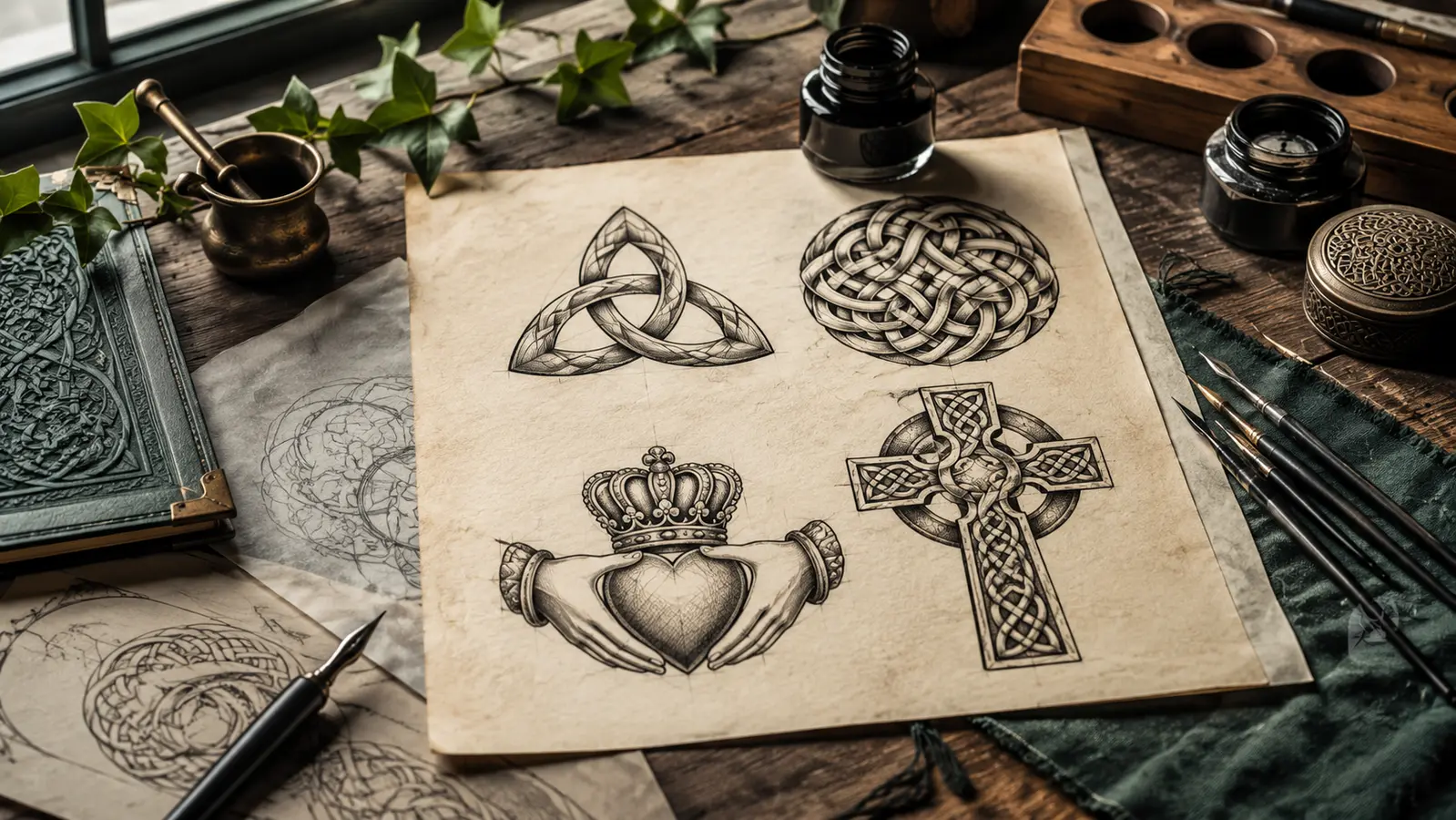
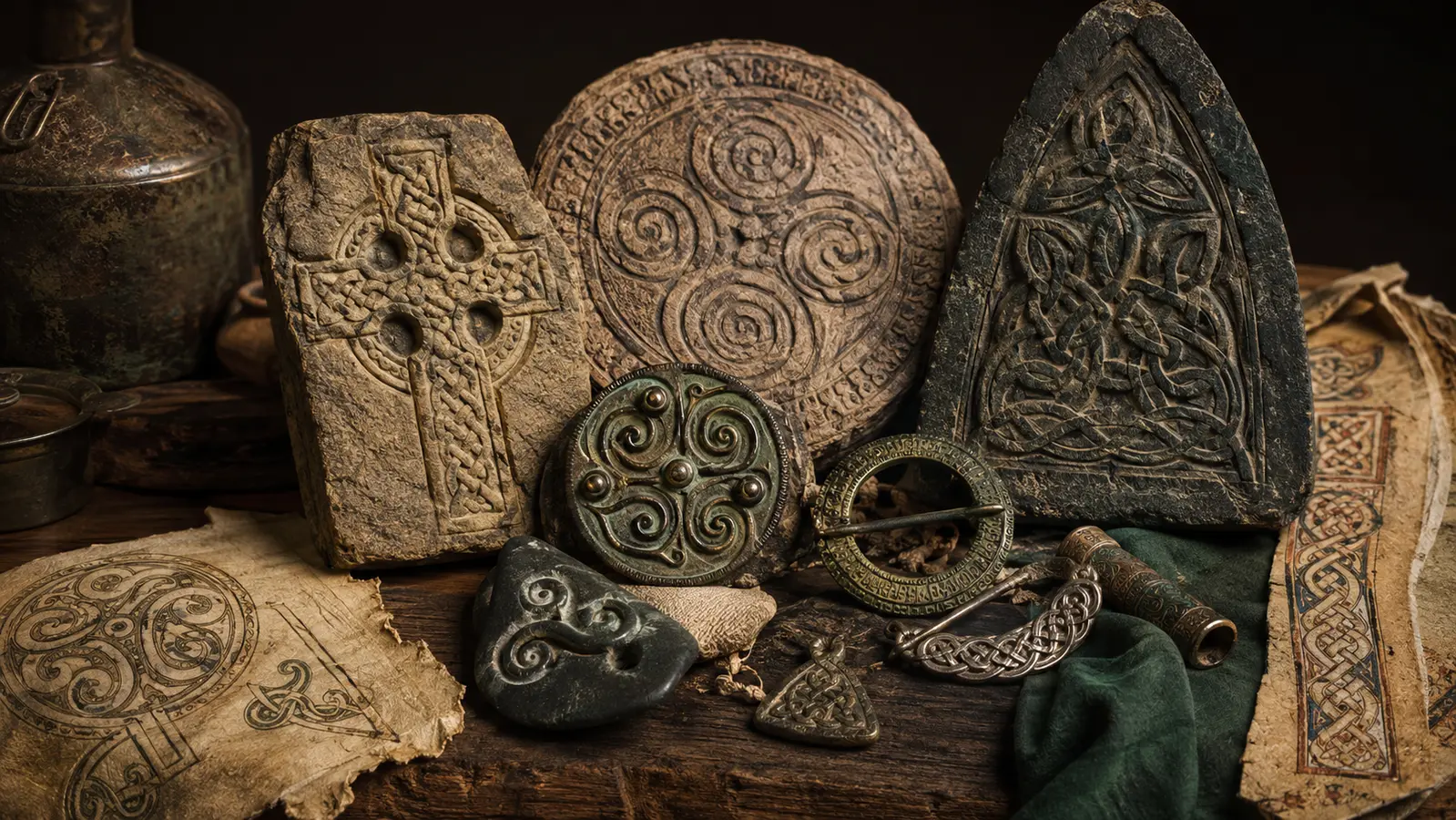
From ancient Celtic chieftains to modern-day trainers, Ireland’s equestrian passion continues to gallop through time. As with Celtic stone carvings, horses have always symbolized strength, freedom, and grace — traits deeply rooted in the Irish soul.
Horses in Irish Myth and Legend
The Irish horse is not merely an animal in folklore, it’s often a creature of power and magic. In ancient tales, deities such as Macha, the Celtic horse goddess, were revered for their speed and sovereignty. Horses were sacred, seen as bridges between the mortal world and the divine.
The legendary white horse of Ériu, for example, was said to carry warriors across realms. Such myths echo through Irish art and oral traditions, much like the Celtic Sun God Lugh, who symbolizes light and vitality. These stories remind us that horses were never just beasts of burde, they were symbols of nobility and transcendence.

From Fields to Racecourses: The Evolution of Irish Horse Racing
The formal sport of horse racing in Ireland began in the 17th century, but the island’s equestrian culture is far older. Early settlers and Gaelic clans bred hardy ponies suited for Ireland’s rugged terrain. Over time, these local breeds evolved into the thoroughbreds that dominate the global racing scene today.
Countless Irish villages host local meets that blend community spirit with competition. From the green fields of Kildare to the Galway Races, horse racing has become a cultural institution, one that ties together tradition, excitement, and pride.
Ireland is now home to some of the world’s top breeding farms and jockeys. It’s no wonder the country is called the “heartland of horse racing.” This blend of craftsmanship, storytelling, and skill echoes the same dedication seen in Irish musicians who keep Celtic heritage alive through art.
Horses in Irish Rural Life
Beyond the racetrack, horses have always played a vital role in Irish life. They pulled ploughs, carried families to church, and transported goods to market. In the Irish countryside, a horse was more than property, it was part of the family.
Even today, in rural Ireland, horses symbolize continuity with the past. Their presence recalls a simpler time, much like the traditions captured in the Crofter’s Journey Through Time. The rhythmic clop of hooves still echoes through small towns and festivals, preserving a heritage that refuses to fade.

Festivals, Pride, and the Irish Spirit
Events like the Galway Races and Punchestown Festival draw crowds from around the world, blending sport with celebration. They capture something uniquely Irish, the love of life, competition, and community storytelling.
Much like the Saint Patrick’s Day festivities, these races are more than just entertainment. They’re living expressions of cultural pride, where past and present meet on the gallops.
A Love That Endures
The Irish love of horses and horse racing is a story of endurance, passion, and deep connection. It speaks of a people who cherish beauty in motion and history in every hoofbeat. Horses remain a living symbol of Ireland’s heart — spirited, untamed, and loyal to its roots.
For Ireland, the horse is not just an animal. It’s poetry in motion — a mirror of the Irish spirit itself.