Irish Wedding Traditions: Tying the Knot and Handfasting

Love and Legacy: The Irish Way of Saying “I Do”
Irish weddings have long been woven with symbolism, storytelling, and spiritual meaning. They are not just unions of two people but connections between families, histories, and even the divine. In the heart of these celebrations lies one of Ireland’s oldest and most romantic customs, handfasting, the true origin of the phrase “tying the knot.”
From rolling green fields to candlelit chapels, each Irish wedding carries echoes of ancient Celtic beliefs, where love was sacred, eternal, and blessed by the natural world.
The Origins of Handfasting
Handfasting dates back to pre-Christian Celtic times when marriages were seen as a spiritual partnership rather than a legal contract. The ceremony symbolized unity. Two souls bound together by choice and promise.
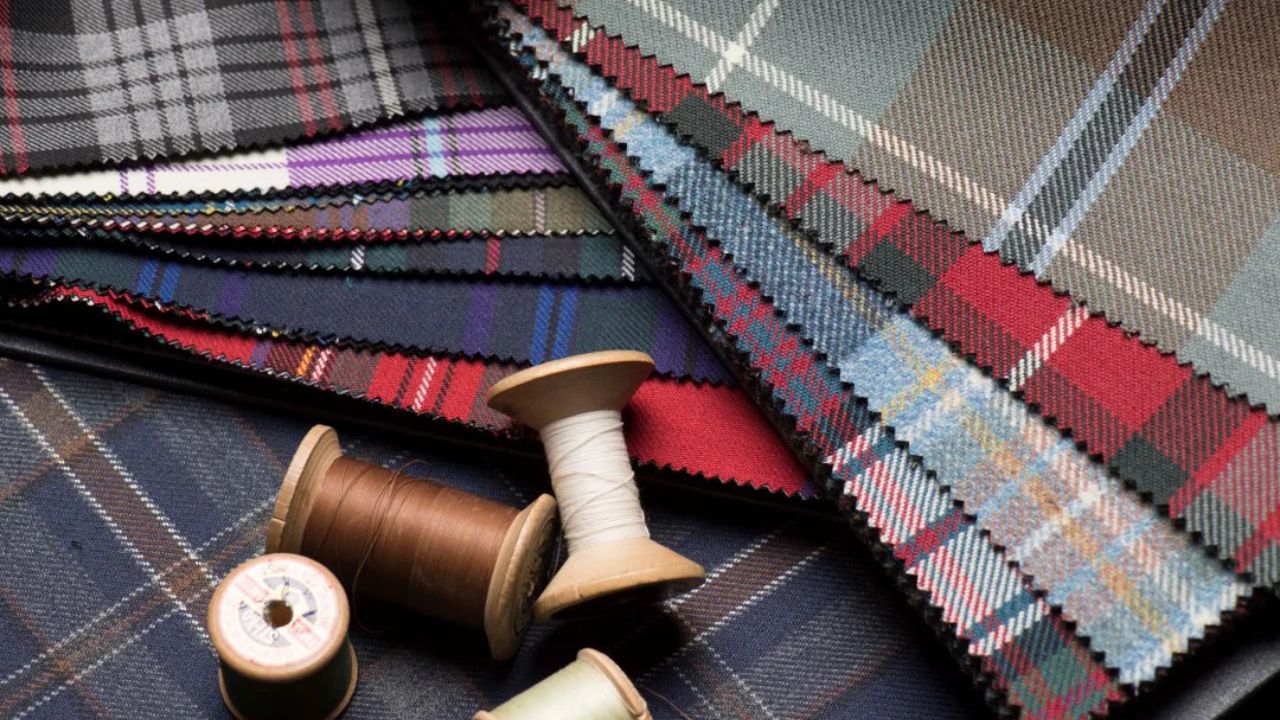
During the ritual, the couple’s hands were tied together using ribbons, cords, or strips of tartan, representing eternal love and loyalty. The knot wasn’t just metaphorical, it was literal. This simple act gave rise to the enduring expression “tying the knot.”
The symbolism mirrors the Celtic belief in interconnectedness, similar to what we see in ancient Celtic stone carvings and knotwork designs that have no beginning or end.

A Ceremony Rooted in Nature and Spirit
Celtic weddings often took place outdoors; in sacred groves, near holy wells, or atop hills believed to connect heaven and earth. The Irish saw marriage as more than a union between two people; it was a harmony between human love and the forces of nature.
Handfasting cords were often made of natural materials like wool or hemp, and couples. Sometimes incorporated personal symbols; family tartans, charms, or colors tied to their clans. Much like the sacredness surrounding Irish holy wells, these ceremonies blended spirituality with the everyday world.
The ritual often took place over a year and a day, marking a trial marriage. If both partners wished to remain together after that time, the bond became permanent. This sense of choice and renewal reflected the Celtic respect for mutual equality, values far ahead of their time.
Blessings, Music, and Celebration
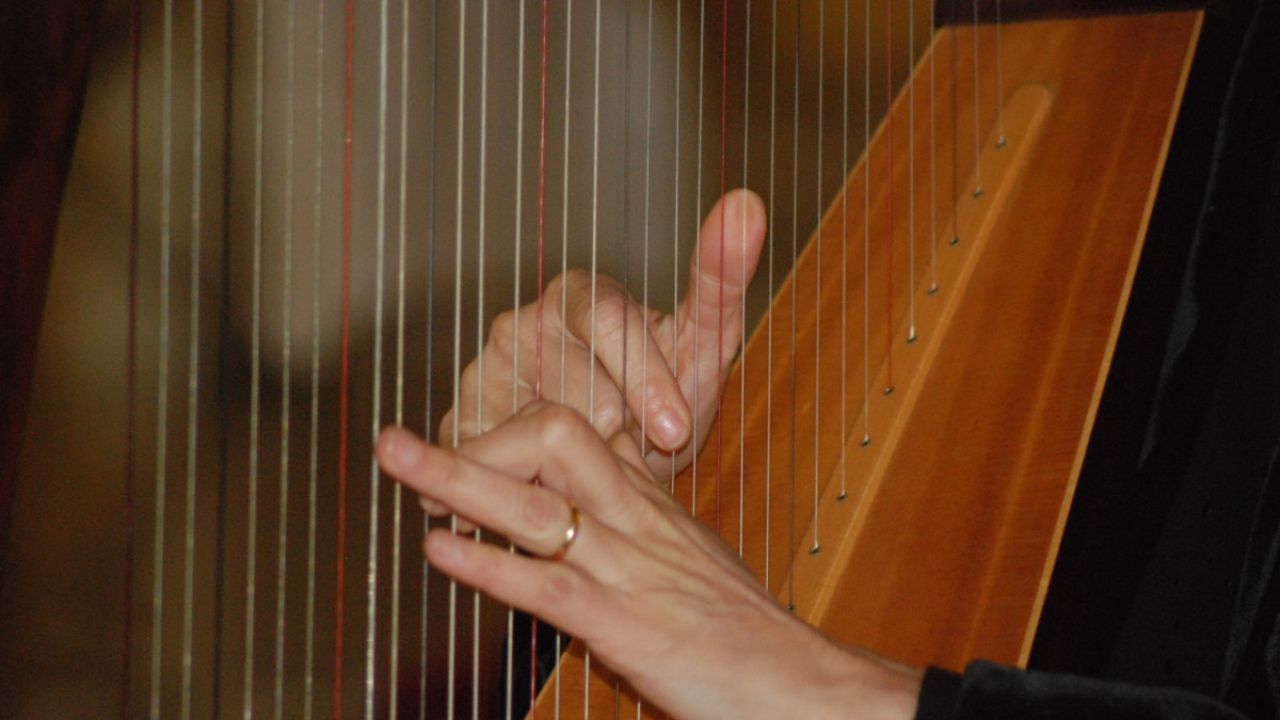
An Irish wedding was never complete without music and blessings. The sounds of the Clarsach (the Celtic harp) often filled the air as guests sang traditional ballads. The music carried stories of love, longing, and loyalty, the emotional heartbeat of every celebration.
Poetic blessings were recited, invoking happiness, prosperity, and protection. A favorite Irish blessing still used today goes:
“May your mornings bring joy and your evenings bring peace,
May your troubles grow few as your blessings increase.”
These blessings, like Gaelic proverbs, reveal the Irish genius for weaving wisdom into words that touch both heart and soul.

The Claddagh Ring and Other Symbols of Love
No Irish wedding would be complete without the Claddagh Ring, whose design — two hands holding a heart topped with a crown, speaks volumes about the nature of true love. As explored in our guide to the Claddagh Ring, it represents friendship, loyalty, and love, the three foundations of marriage.
When worn on the right hand with the heart facing outward, it signals singleness; inward, it shows engagement. On the left hand, heart inward, it means the wearer’s heart belongs to someone forever.

Tying the Knot Today
In modern Ireland, couples often blend the old with the new. Many still include handfasting as part of their wedding ceremony, a gesture that bridges past and present. The cords, now in colors that reflect the couple’s journey, are tied by family members, priests, or celebrants.
The result is a moment of unity that feels timeless, a living link to Ireland’s Celtic ancestry. It’s a reminder that love, like the knots of our ancestors, can bend but never break.
A Heritage of Love
Irish wedding traditions continue to charm couples around the world. Whether it’s the symbolic handfasting, the blessing of a Claddagh, or the haunting melody of a harp, these customs carry centuries of poetry and spirit.
Each ritual tells a story of devotion, equality, and enduring beauty. It echos the Irish belief that true love, once bound, is forever blessed.