
Irish Linen Mills: Threads of Craft, Culture, and Commerce

If tartan is Scotland’s visual identity, linen has long been Ireland’s. Few fabrics have defined a nation’s reputation as profoundly as Irish linen, renowned for its quality, durability, and artistry. At the heart of this legacy were the Irish linen mills, the humming, industrious centers where flax was transformed into fabric.
These mills were not merely workplaces; they were cultural landmarks, stitching together local economies, communities, and traditions. Much like Irish storytelling, linen weaving carried narratives—of resilience, craftsmanship, and adaptation in a changing world.
The Rise of Irish Linen
Linen production in Ireland stretches back centuries, but the true boom came during the 17th and 18th centuries. The damp Irish climate proved ideal for cultivating flax, and regions like Ulster became synonymous with the craft. By the 19th century, Belfast had earned the nickname “Linenopolis,” with mills producing cloth exported across the world.
This surge was as transformative as the Irish Potato Famine, though with opposite outcomes—creating prosperity rather than devastation. Linen mills gave thousands employment, fueling Ireland’s industrial revolution.

Inside the Mills: Craft Meets Industry
At their core, linen mills were engines of transformation. Flax, once harvested and retted, was spun into yarn and woven into fabric. Mills employed:
- Spinners and Weavers: Skilled artisans who operated handlooms, later replaced by mechanized looms.
- Bleachers and Finishers: Specialists who ensured the linen’s hallmark brightness and smoothness.
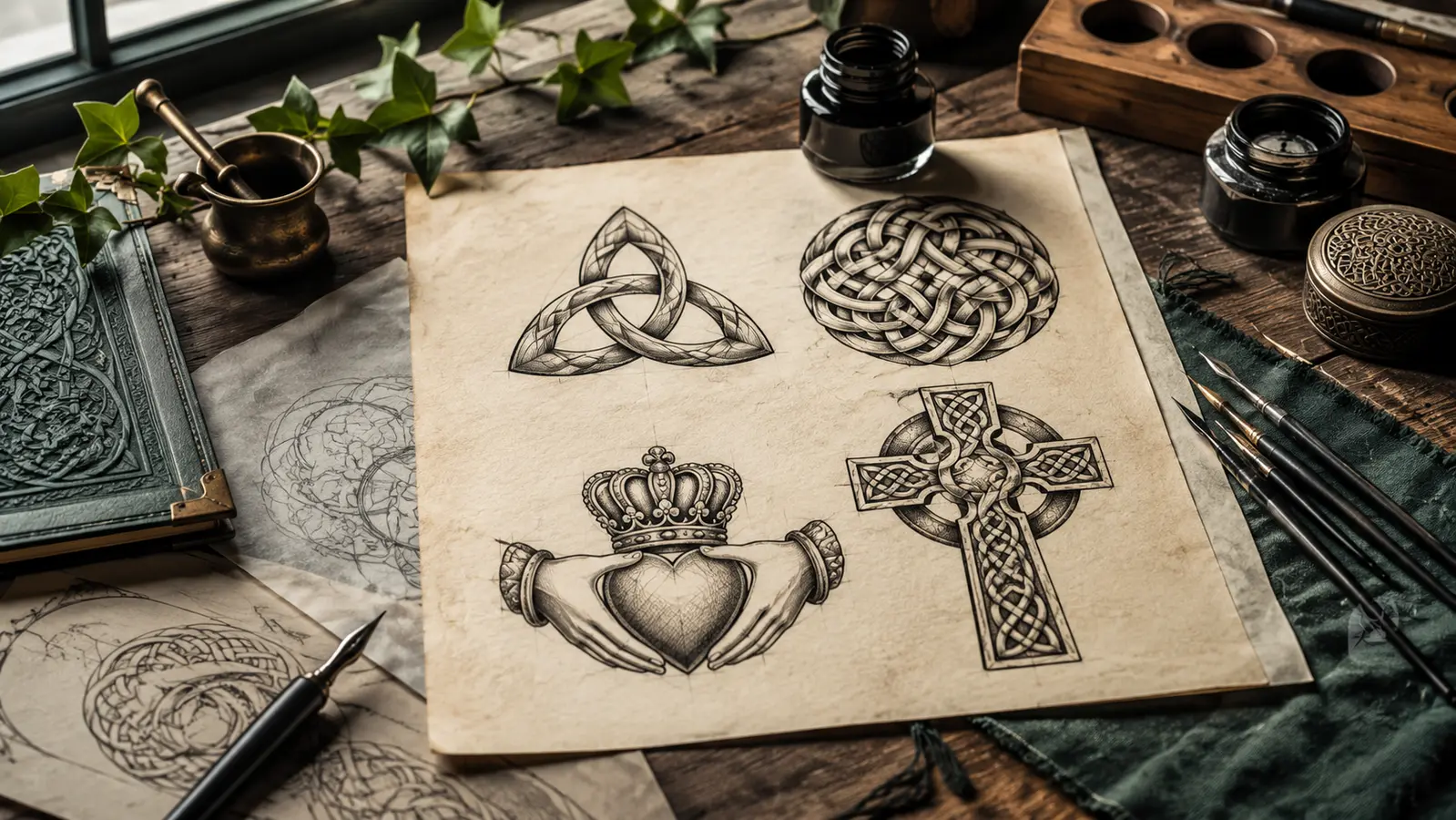
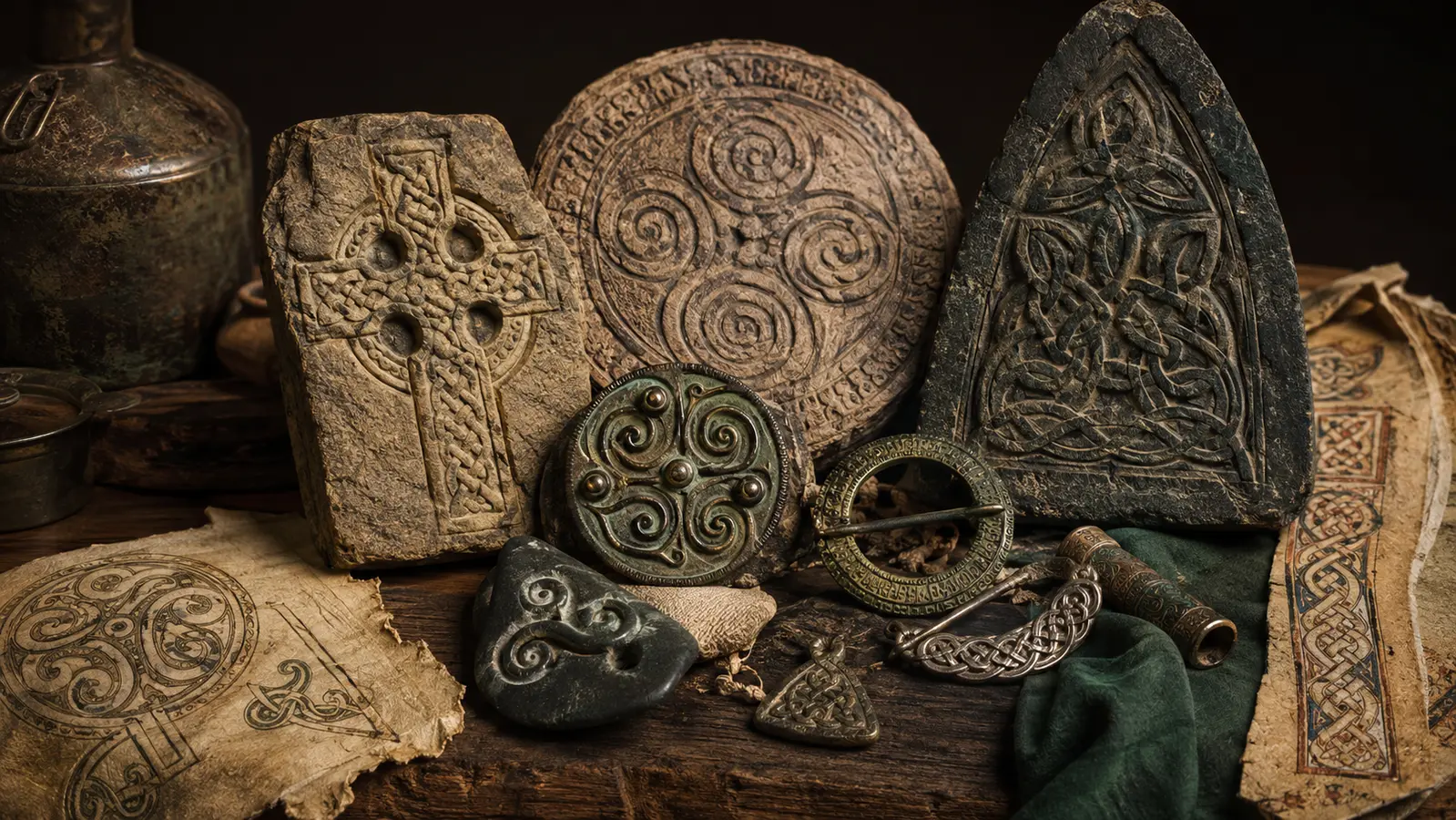
- Designers: Innovators who created patterns, sometimes rivaling the symbolic artistry of Celtic stone carvings.
While industrialization brought mechanization, the craft element never disappeared—Irish linen remained prized for its fine hand and durability.

Cultural Significance of Linen Mills
Irish linen mills were more than factories. They shaped community identity. Entire towns grew around them, with generations of families working side by side. For many women, mill work offered rare economic independence, a theme echoed in other cultural traditions such as céilí bands, where collective effort created shared pride.
Linen also carried symbolic weight. In Ireland, linen was woven into wedding trousseaus, altar cloths, and heirlooms—objects that embodied continuity and kinship. Like the sacred associations of Irish holy wells, linen represented purity and endurance.

Global Reach of Irish Linen
By the 19th century, Irish linen was exported worldwide. It clothed armies, furnished royal households, and dressed fashionable elites. Its reputation rivaled and often surpassed fabrics like silk and wool.
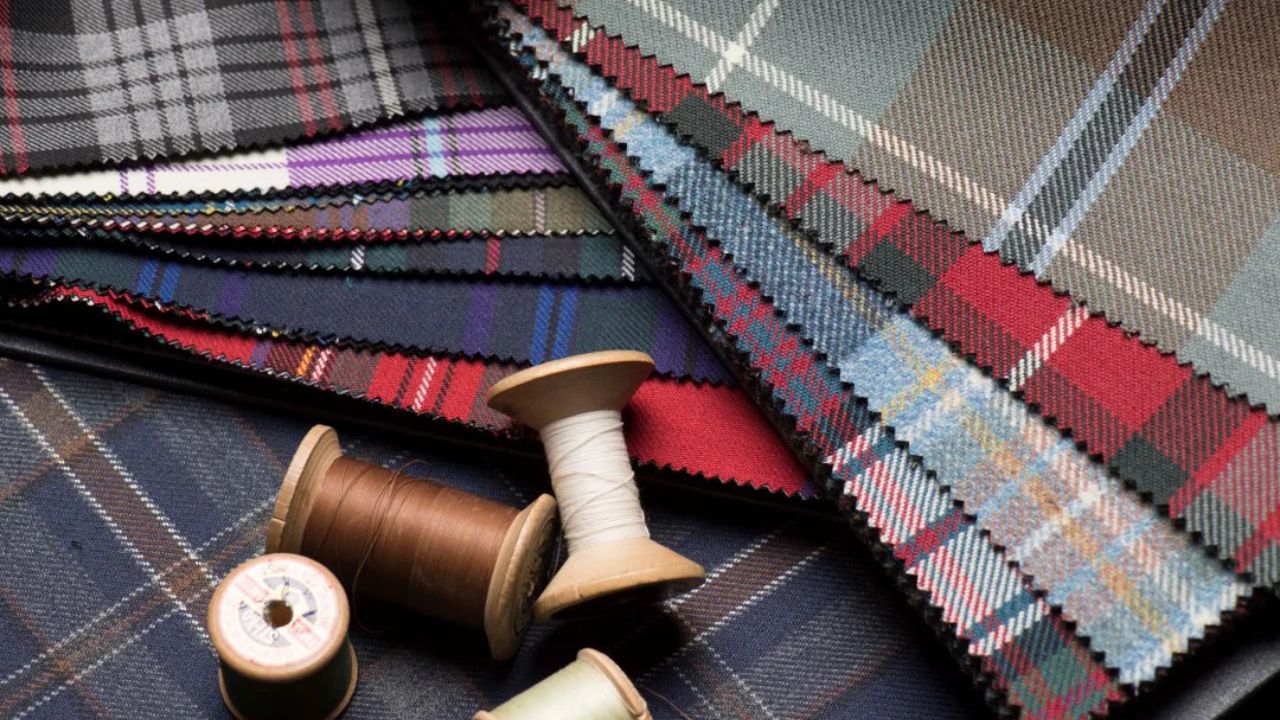
This global recognition mirrored Scotland’s tartan traditions, which we’ve explored in What is Tartan?. Just as tartan symbolized clan identity, Irish linen became shorthand for quality, a cultural export woven into global consciousness.

Decline and Preservation
The 20th century brought decline. Competition from cotton and synthetic fabrics, coupled with economic shifts, shuttered many mills. By the late 1900s, only a fraction of the once-vast industry remained.
Yet the story of Irish linen is not one of loss but resilience. Niche weavers, heritage brands, and cultural institutions preserve the craft, echoing the revival of traditions like the Claddagh ring. Today, Irish linen continues to thrive in bespoke tailoring, homeware, and high fashion.

Irish Linen Mills Today
Though the industrial roar has quieted, linen still holds pride of place in Irish identity. Visitors can tour historic mills, now museums, where the past hums through restored looms. Meanwhile, contemporary designers embrace linen’s natural elegance, ensuring its relevance in modern culture.
Much like the rhythm of fiddle music, linen continues to thread Ireland’s past into its present—timeless, adaptable, and deeply woven into national identity.
Conclusion
Irish linen mills were never simply industrial sites. They were cultural powerhouses—transforming flax into fabric, but also weaving communities, identities, and stories. Their legacy endures not just in bolts of cloth but in Ireland’s heritage of resilience and creativity.
For further explorations of Celtic heritage, visit our blog archive.