Irish Banquet Hall Traditions: Feasting, Music & Heritage

Few images capture the soul of Ireland better than a long oak table surrounded by laughter, music, and the warm glow of firelight. The Irish banquet hall, whether in a medieval castle or a rural manor was far more than a place to dine. It was where kinship, politics, art, and spirituality converged.
In exploring Irish banquet hall traditions, we uncover not only a love of food and music, but a way of life that mirrored the nation’s deep reverence for community and story.
The Ancient Celtic Roots of the Banquet Tradition
Long before Norman castles dotted the Irish landscape, the Celts gathered in crannógs (lake dwellings) and great halls to celebrate victories, mark harvests, or honor their gods. Feasting was sacred—a reflection of abundance and divine favor.
Banquets featured roasted meats, barley bread, honeyed mead, and dairy delights, served on wooden platters and shared communally. The high king’s hall at Tara, for instance, was known for its order of seating—every clan had its rank and pride of place, echoing the ritual hierarchy of Celtic society.
Learn more about ancient Irish sanctity and royal gatherings in our feature on the Hill of Tara.
Medieval Banquets: From Feasts to Diplomacy
By the 12th century, Irish and Anglo-Norman lords used banquet halls as centers of diplomacy. Lavish dinners were tools of alliance, often held in candlelit stone halls adorned with tapestries and Celtic carvings.
Guests might hear a bard recite epic tales, such as those surrounding Cú Chulainn or the Dagda’s Cauldron, a mythical vessel that could never be emptied (Cauldron of Dagda).
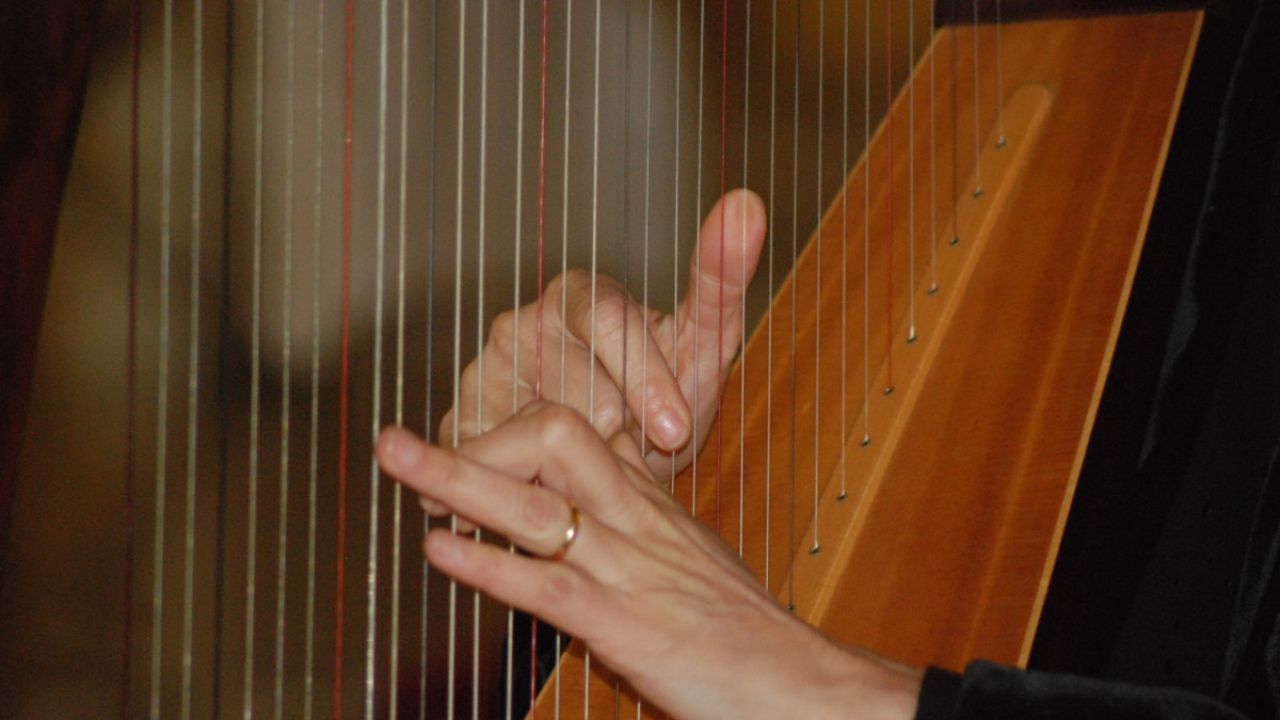
These feasts were accompanied by music from the clarsach, the beloved Celtic harp. It wasn’t just entertainment, it was cultural currency. The harper’s role was as vital as the chief’s steward, a guardian of heritage and emotion. Read more about the instrument’s legacy in What Is a Clarsach?.
The Banquet Experience: Sound, Story, and Ceremony
An Irish feast was a multi-sensory experience. The aroma of roasted venison, the rhythm of a bodhrán drum, and the rise of Gaelic song filled the air. The host’s duty was not only to feed the body but to elevate the spirit—through storytelling, hospitality, and poetic exchange.
Many of these traditions live on in modern Irish gatherings. The importance of storytelling—celebrated in our post on Why Are Irish People Natural Storytellers?—is a direct descendant of the bardic feasts.

Banquets as a Reflection of Society
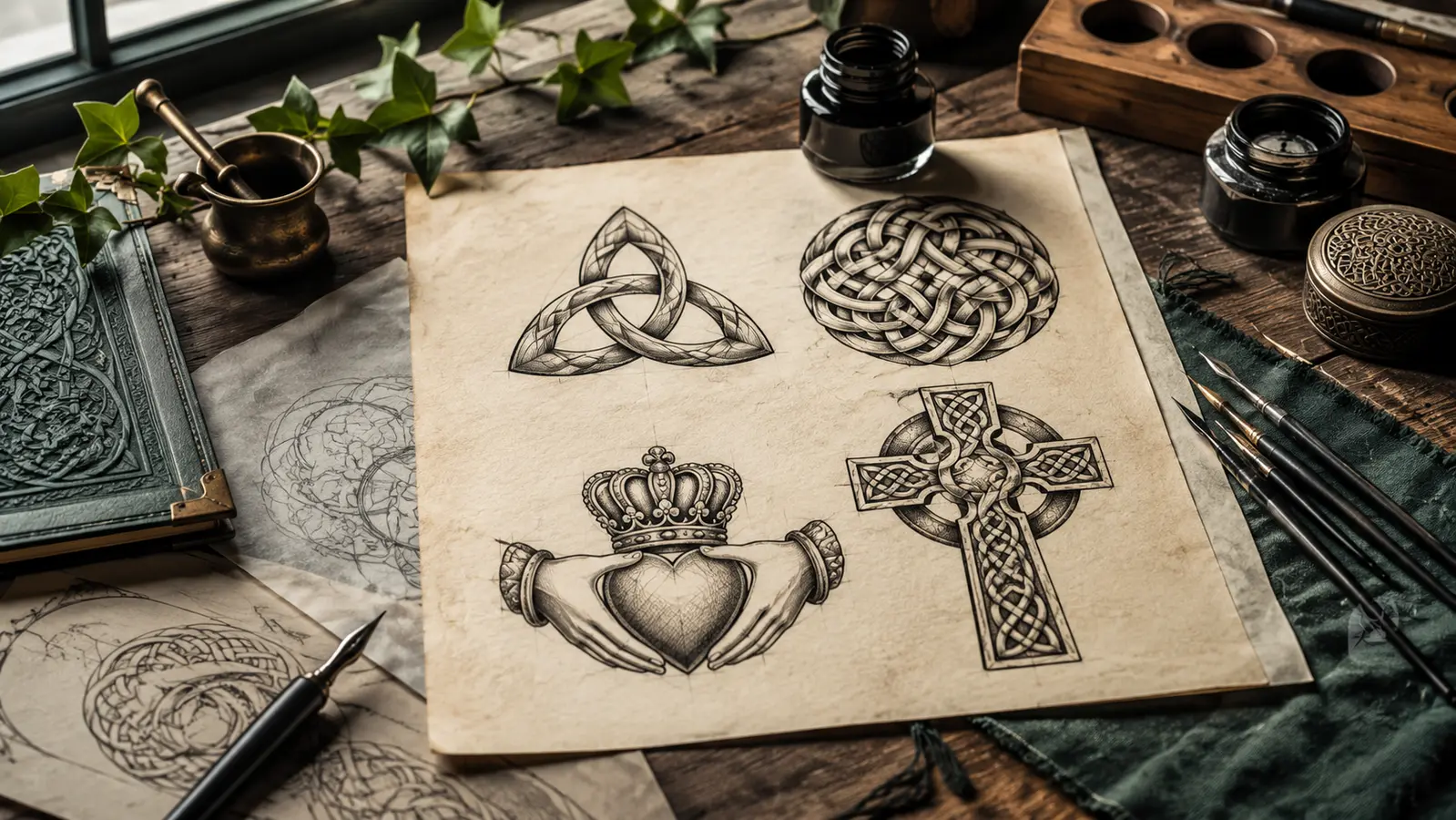
Irish banquet customs also mirrored the moral and political order. The seating plan often reflected clan rank, and toasts symbolized allegiance. The cauldron and horn, recurring motifs in Celtic art, represented generosity and eternal sharing—virtues deeply woven into Irish identity.
Over time, even as feasts became less formal, the ethos of communal dining persisted. Whether in a farmhouse or a castle, the Irish table remained a place of equality, laughter, and shared memory.

Echoes of the Great Halls Today
Today, Irish banquet halls have found new life as venues for weddings, festivals, and cultural celebrations, blending history with hospitality. The songs, dances, and instruments, from the harp to the bodhrán, continue to carry the echoes of Ireland’s golden feasting age.
As the bodhrán beats and a toast is raised to kin and country, one feels that same ancient pulse—the Celtic rhythm of belonging and joy. Explore the story of this beloved drum in our post on The Bodhrán Drum.

A Celebration of Irish Identity
The Irish banquet hall is more than a historic structure, it’s a living metaphor. It speaks to Ireland’s generosity, musicality, and storytelling soul. From the halls of Tara to the ballrooms of today, the feast endures as an expression of unity and pride.
To understand these gatherings is to understand Ireland itself: a land where every story, song, and shared meal becomes a thread in the Celtic tapestry.