
Irish Seed Saving Traditions: Guardians of Heritage and Biodiversity
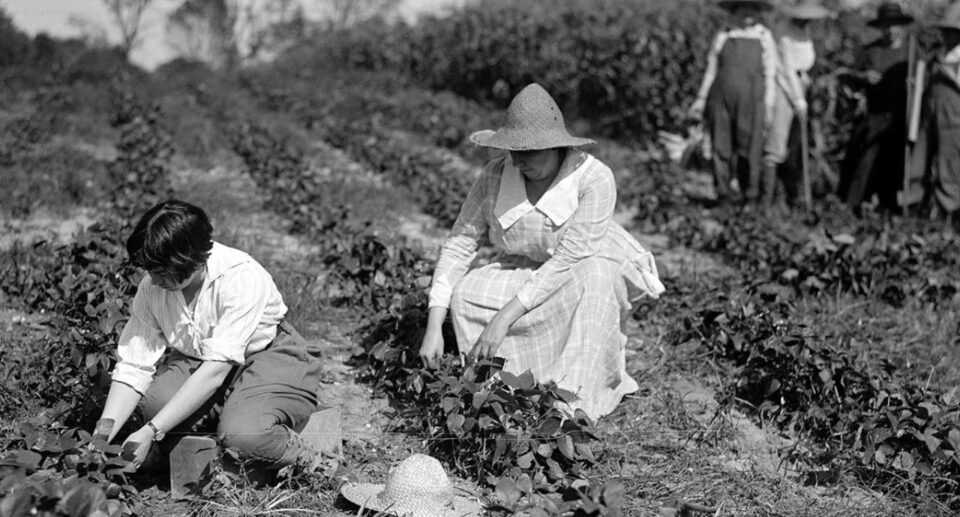
Ireland’s agricultural past holds more than crops and tools. It preserves memory, resilience, and identity. Among these traditions, seed saving stands as one of the most enduring practices. Farmers and families passed seeds from one generation to the next. They treated them as living archives of culture and survival.
This practice did not emerge from convenience. It arose from necessity and deep ecological knowledge. Today, it offers insight into sustainability and cultural continuity.
What Is Seed Saving in the Irish Context?
Seed saving refers to the practice of collecting and preserving seeds from crops for future planting. In Ireland, this tradition dates back centuries. Rural communities relied on it to maintain food security.
Irish farmers selected seeds based on taste, resilience, and adaptability. Over time, this careful selection created locally adapted varieties. These seeds thrived in Ireland’s damp climate and variable soils.
Unlike modern commercial seeds, these traditional seeds remained open-pollinated. This meant farmers could reuse them year after year without losing quality.
Historical Roots: Survival and Adaptation
Seed saving became vital during periods of hardship. The most defining moment came during the Great Irish Famine of the 1840s.
You can explore this further here:
👉 https://celtguide.com/the-influence-of-the-irish-potato-famine/
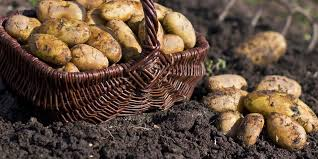
The famine exposed the dangers of relying on a single crop variety. The potato blight devastated uniform crops. In response, communities began valuing diversity in seeds more than ever.
Seed saving helped rebuild agricultural resilience. Families preserved rare varieties of potatoes, grains, and vegetables. These seeds carried lessons of survival.
Cultural Significance of Seed Saving
Seed saving in Ireland extends beyond agriculture. It connects deeply with storytelling, identity, and tradition.
Irish culture has always valued oral transmission. Just as stories pass through generations, so do seeds. Both carry memory and meaning.
For deeper insight, read:
👉 https://celtguide.com/why-are-irish-people-natural-storytellers/
Seeds often came with stories. A family might recall where a seed originated or how it survived a harsh winter. These narratives enriched the practice with emotional depth.
Traditional Crops Preserved Through Generations
Irish seed saving focused on hardy and reliable crops. These included:
- Heritage potatoes
- Oats and barley
- Cabbage and root vegetables
- Flax for linen production
Each crop adapted to local microclimates. Farmers observed soil, rainfall, and seasonal shifts carefully. Their choices reflected practical wisdom rather than commercial trends.
Methods Used in Irish Seed Saving
Irish farmers followed simple yet effective techniques:
1. Selection
They chose the strongest plants. These showed resistance to pests and harsh weather.
2. Drying
Seeds dried naturally in cool, airy spaces. This prevented mold in Ireland’s humid climate.
3. Storage
Farmers stored seeds in cloth bags or wooden containers. They kept them in dry, dark conditions.

4. Exchange
Communities often exchanged seeds. This practice increased diversity and strengthened social bonds.
Connection to Land and Spiritual Beliefs
Irish traditions often blend practical life with spiritual meaning. Seed saving reflects this connection to land.
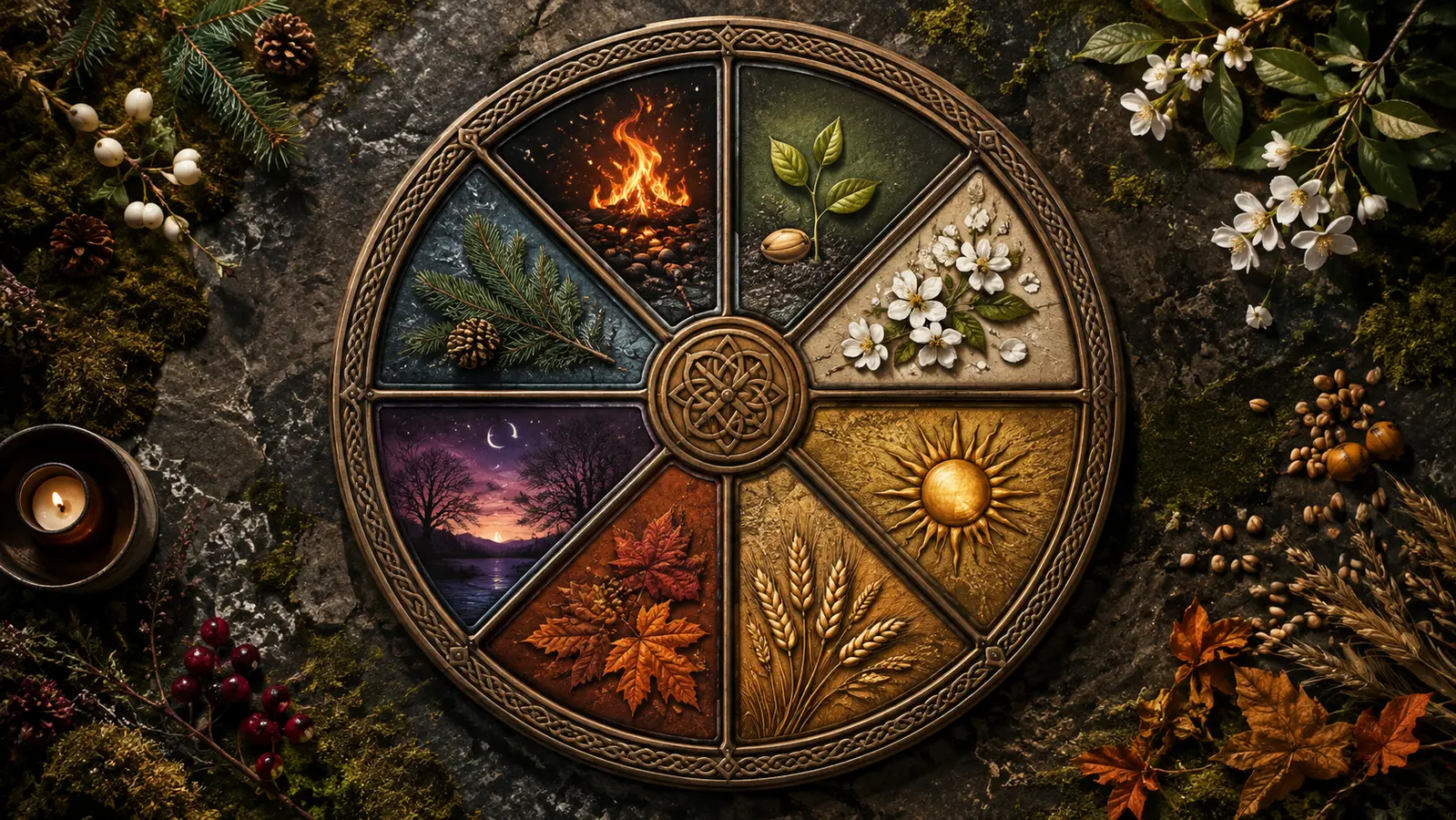
Ancient Celtic beliefs honored nature cycles. Trees, soil, and seasons held symbolic importance.
Explore more here:
👉 https://celtguide.com/celtic-oak-tree/
The oak tree symbolized strength and continuity. Similarly, seeds represented renewal and life cycles. Planting seeds mirrored belief in rebirth and continuity.
Modern Revival of Irish Seed Saving
Today, seed saving is experiencing a revival. Environmental concerns and biodiversity loss drive renewed interest.
Organizations and small farmers now preserve heirloom varieties. They resist the dominance of commercial hybrid seeds.
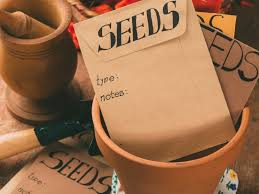
This movement aligns with global sustainability goals. It also reconnects people with traditional knowledge.
Young farmers and gardeners are rediscovering these practices. They value authenticity, flavor, and ecological balance.
Why Irish Seed Saving Matters Today
Seed saving offers practical and cultural benefits:
- Preserves biodiversity in agriculture
- Enhances food security
- Maintains cultural heritage
- Supports sustainable farming practices
In a world of industrial agriculture, these traditions provide balance. They remind us that resilience lies in diversity.
Conclusion
Irish seed saving traditions reflect wisdom shaped by centuries of experience. They combine ecological awareness with cultural identity. Farmers did not simply grow crops. They cultivated continuity.
Today, these practices carry renewed relevance. They offer solutions to modern challenges while preserving the past. By saving seeds, Ireland preserves more than plants. It preserves its story.
FAQs
What are Irish seed saving traditions?
Irish seed saving traditions involve preserving seeds from crops to replant them. This practice ensures sustainability and protects heritage varieties.
Why did seed saving become important in Ireland?
It became crucial after the Great Famine. Farmers realized the risks of relying on a single crop variety.
What types of seeds were commonly saved in Ireland?
Farmers saved potatoes, grains like oats and barley, and vegetables such as cabbage and roots.
Is seed saving still practiced in Ireland today?
Yes, many farmers and gardeners now revive this tradition to support biodiversity and sustainable agriculture.
How does seed saving connect to Irish culture?
It reflects storytelling, heritage, and a deep connection to land and tradition.