Clan Rallies in the Highlands: History & Traditions

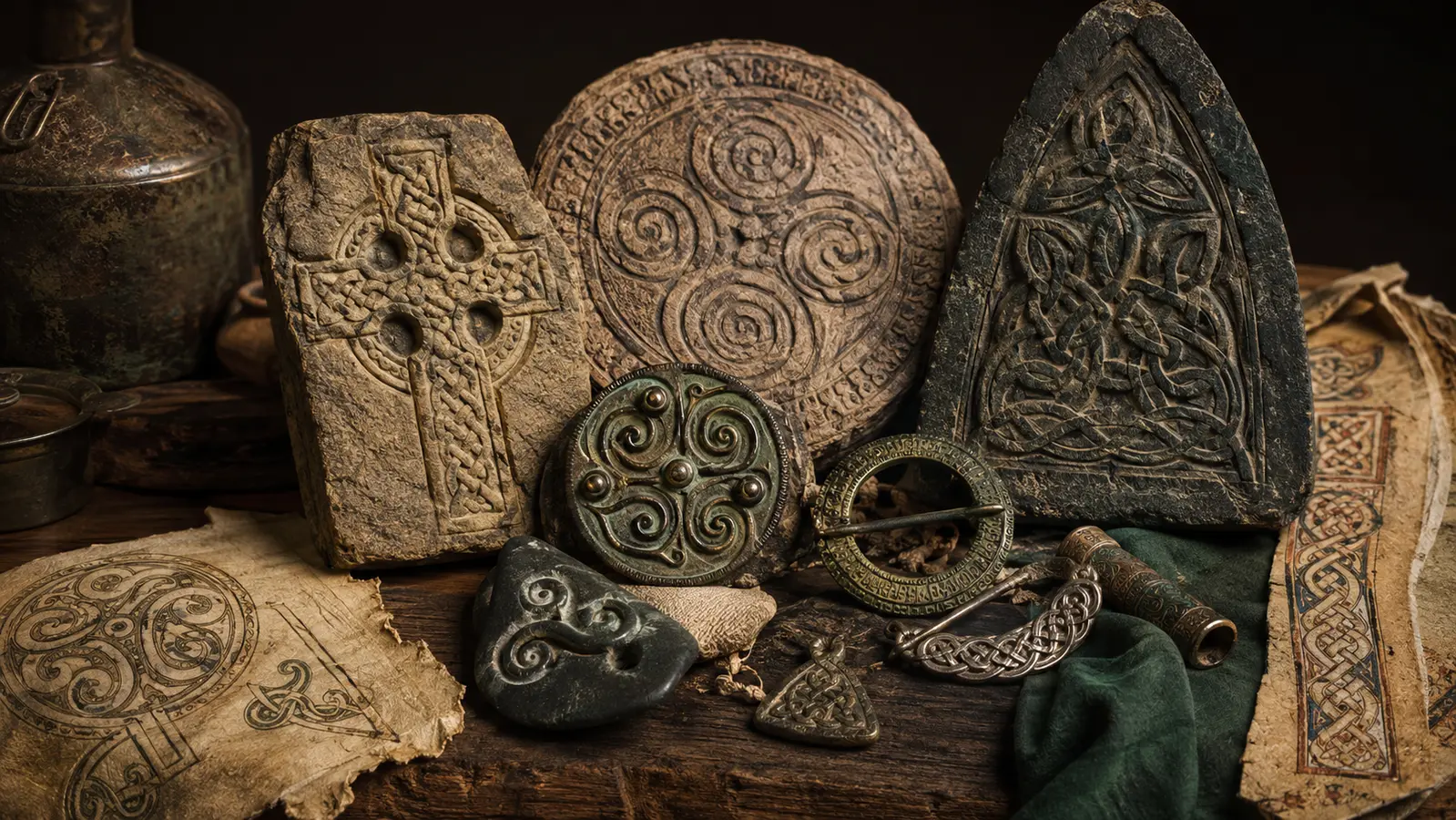
Clan rallies in the Scottish Highlands offer more than spectacle. They serve as living expressions of kinship, memory, and identity. Rooted in centuries-old traditions, these gatherings bring together families, historians, and cultural enthusiasts who share a deep connection to Scotland’s past.
Today, clan rallies continue to thrive. They bridge history with modern cultural pride while welcoming a global diaspora eager to reconnect with ancestral roots.
What Are Clan Rallies?
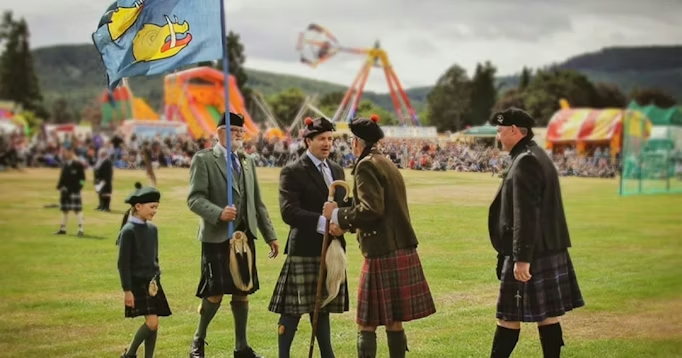
Clan rallies are organized gatherings where members of a Scottish clan assemble to celebrate shared heritage. These events often take place in the Highlands, a region long associated with clan life and identity.
They typically include:
- Clan parades and marches
- Genealogical discussions
- Traditional music and dance
- Storytelling and oral history
To understand the broader structure of these kinship groups, you can explore this guide on Scottish clans, which explains their origins and social roles.
Historical Roots of Clan Gatherings
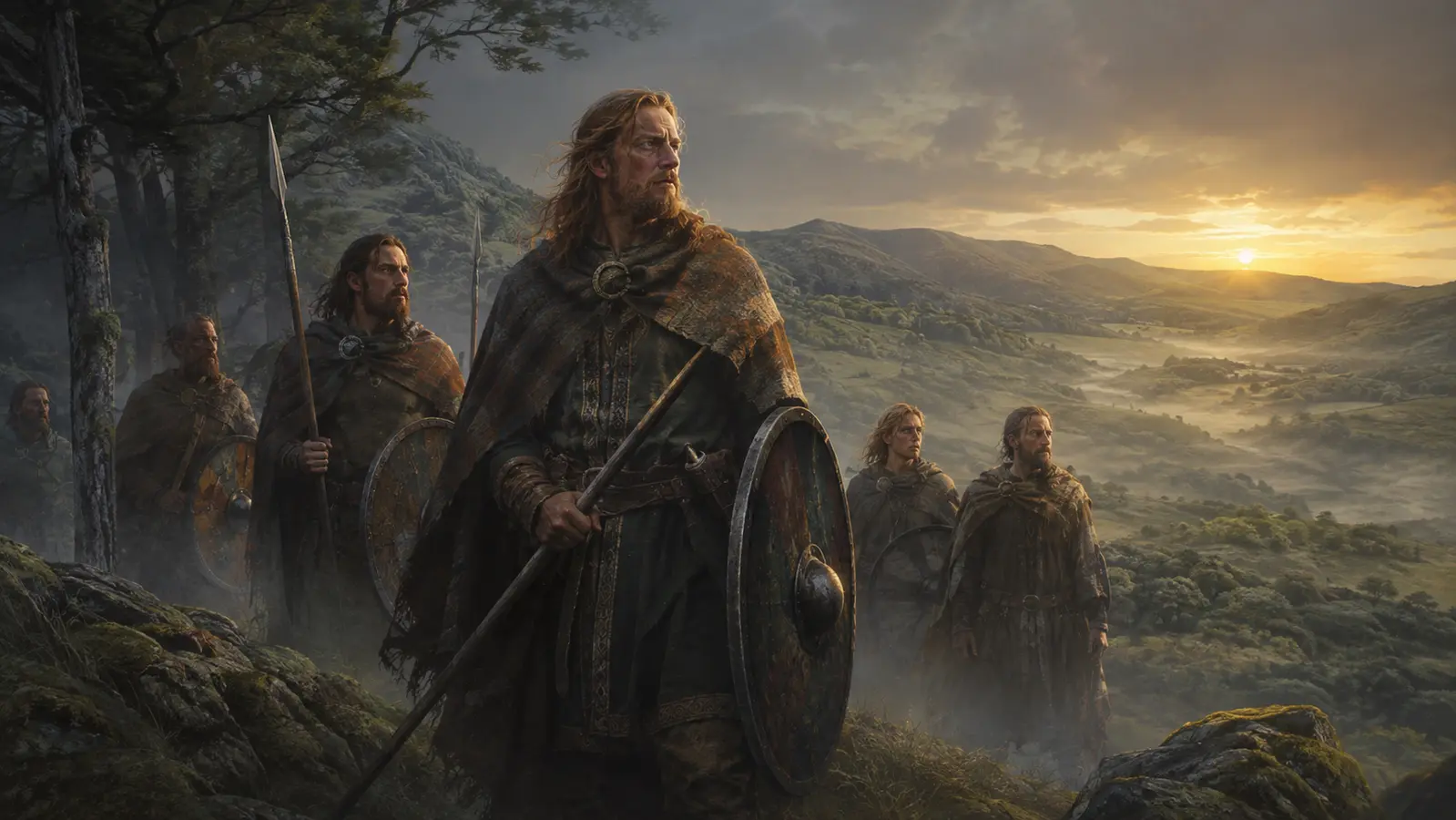
Historically, clans functioned as extended family networks. Chiefs held authority, and loyalty defined social order. Gatherings were essential for decision-making, alliances, and celebrations.
After the Jacobite uprisings, many clan traditions declined. However, the 19th-century revival of Highland culture restored interest in tartan, clan identity, and ceremonial gatherings.
For deeper context on tartan heritage, see what tartan is and its evolution over time in tartan history.

The Role of Tartan and Dress
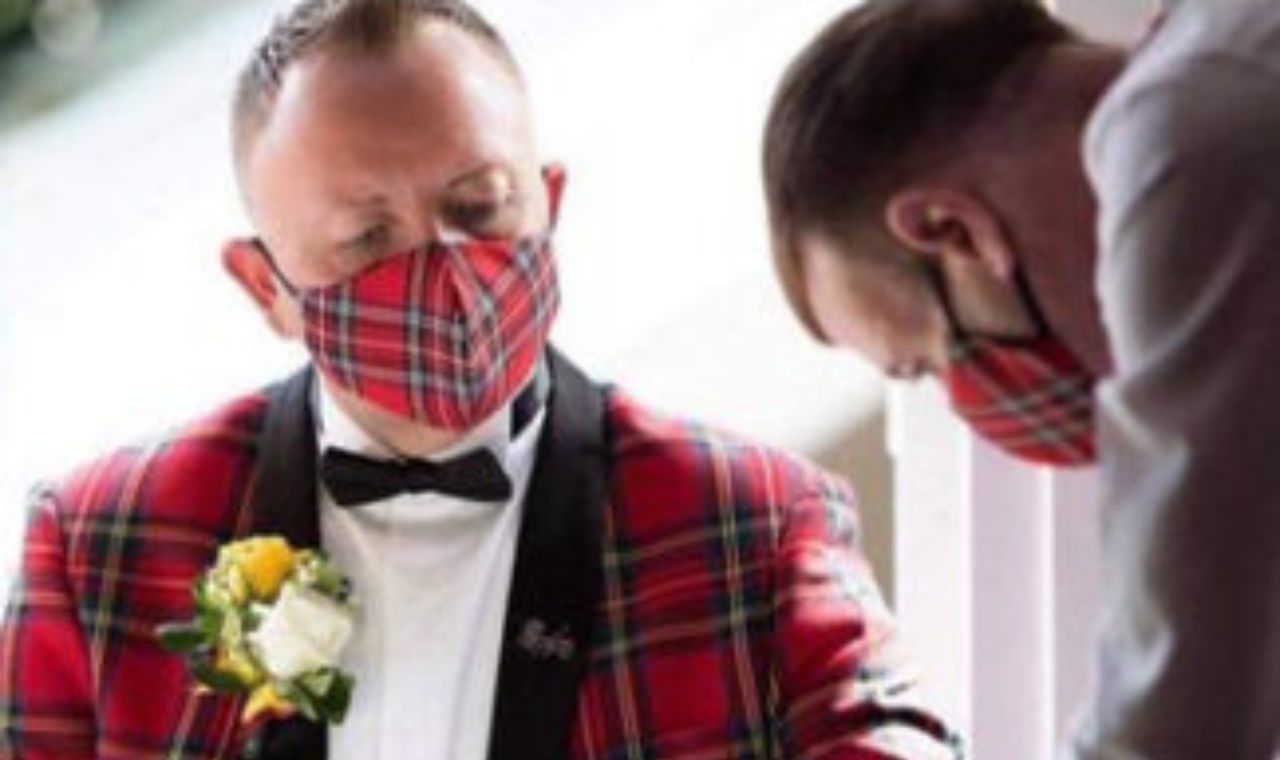
Tartan plays a central role in clan rallies. Each pattern symbolizes lineage and belonging. Attendees often wear kilts, sashes, or shawls that represent their clan identity.
If you are new to Highland attire, this guide on how to measure for a kilt provides practical insight. You can also explore styling traditions in wearing a tartan sash.
Dress at these events is not merely decorative. It communicates history, status, and affiliation in a visual language that remains instantly recognizable.
Music, Storytelling, and Cultural Expression
Clan rallies resonate with sound and story. Traditional instruments such as the clarsach and fiddle shape the atmosphere, while oral storytelling preserves ancestral narratives.
To understand these traditions more fully, explore the Celtic harp (clarsach) and the enduring role of Irish storytelling traditions.
These elements transform rallies into immersive cultural experiences, where history is not only remembered but performed.

Clan Rallies and Highland Games
Clan rallies often coincide with Highland Games, creating a dynamic cultural environment. Athletic competitions, piping performances, and communal celebrations attract participants from around the world.
For a closer look at these events, visit Highland Games highlights.
The integration of sport and ceremony reflects the holistic nature of Highland culture, where physical strength and cultural expression coexist.
Modern Significance of Clan Rallies
In the modern era, clan rallies serve as vital cultural anchors. They foster identity among descendants of Scottish emigrants and encourage historical awareness among younger generations.
They also contribute to cultural tourism, particularly in iconic Highland locations such as Loch Lomond in the Highlands and Isle of Mull.
These gatherings demonstrate that clan identity remains relevant. It adapts while preserving its core values of kinship and belonging.
Conclusion
Clan rallies in the Highlands stand as powerful reminders of Scotland’s enduring cultural fabric. They connect past and present through ritual, dress, music, and shared memory.
For scholars and enthusiasts alike, these gatherings offer a rare opportunity to witness living history. They invite participation, reflection, and a renewed appreciation for the richness of Highland tradition.
In a rapidly changing world, clan rallies remain, not as relics of the past, but as evolving expressions of identity and belonging.