


Irish Fairy Forts: Myth, History, and Folklore

Ireland is a land where history and mythology often blur into one another. One of the most mysterious examples of this blend is the Irish fairy fort. Scattered across the countryside, these circular mounds and stone enclosures have sparked stories for centuries. Locals believe they are sacred sites, linked to the Aos Sí (fairy folk), while archaeologists identify them as ringforts from the early medieval period.
Just like Irish storytelling traditions, fairy forts carry layers of meaning part folklore, part history, and part cultural identity.
What Are Fairy Forts?
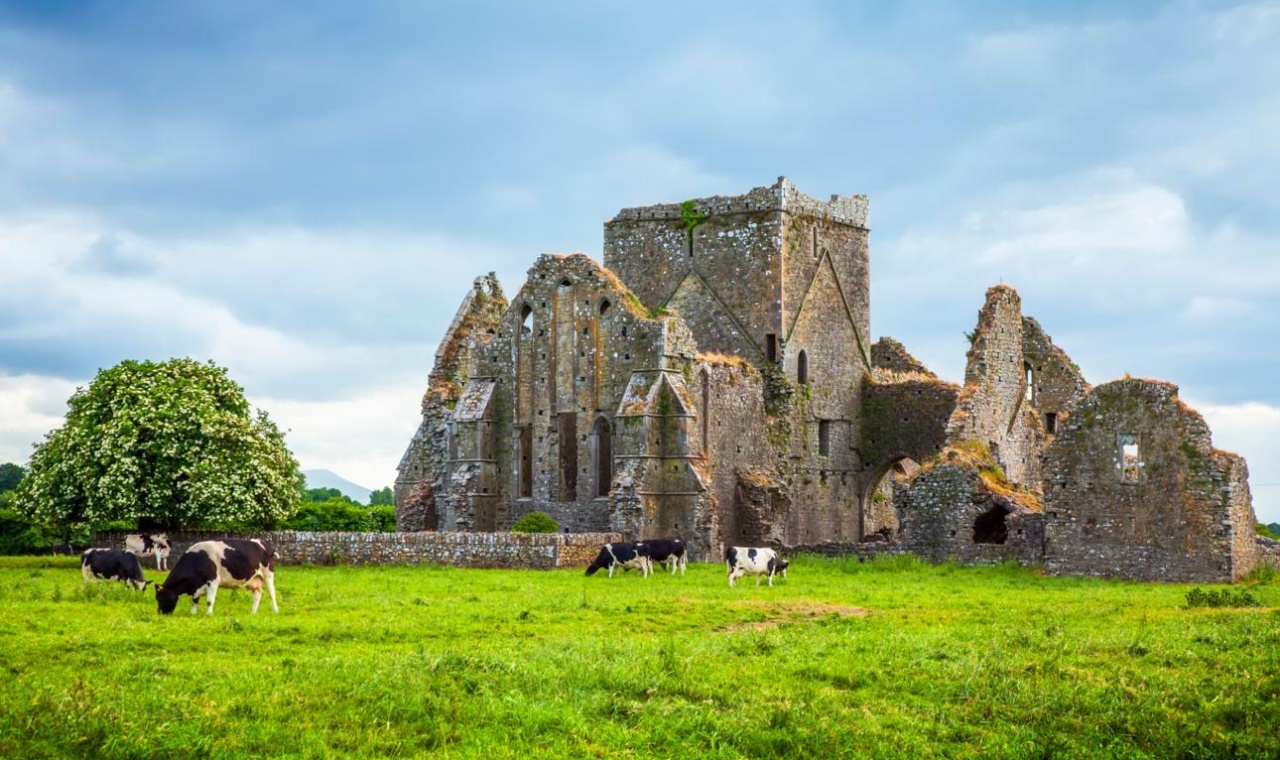
At first glance, fairy forts look like small circular ditches, raised mounds, or low stone walls. Archaeologists explain that many of them are remains of farmsteads built 1,000–1,500 years ago. Known as ringforts, they were used to protect families, animals, and land.
But the Irish imagination gave them another meaning: gateways to the Otherworld. The circular design was thought to mirror the natural cycles of life, a theme that appears in Celtic stone carvings and sacred patterns across Ireland and Scotland.

The Folklore of the Aos Sí
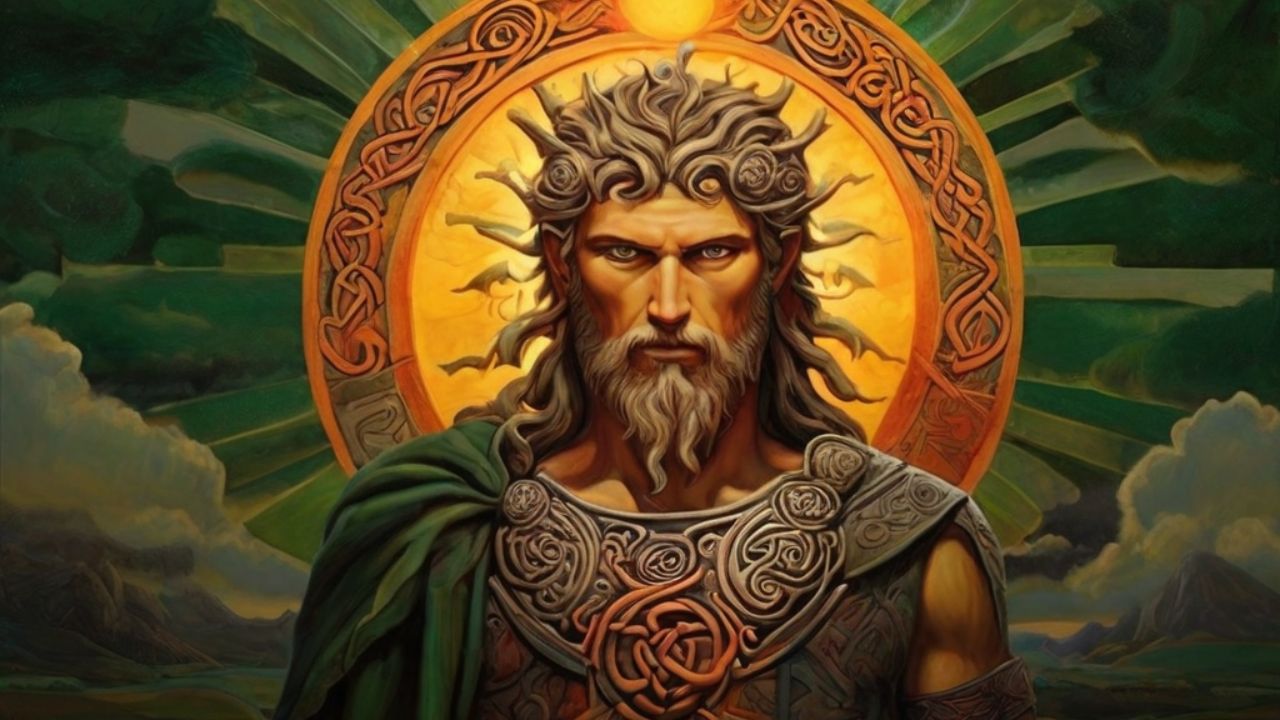
Folklore tells us that fairy forts are homes of the Aos Sí, powerful beings often described as descendants of the Tuatha Dé Danann. To disturb a fairy fort by ploughing, cutting trees, or building over it, was to risk angering them.
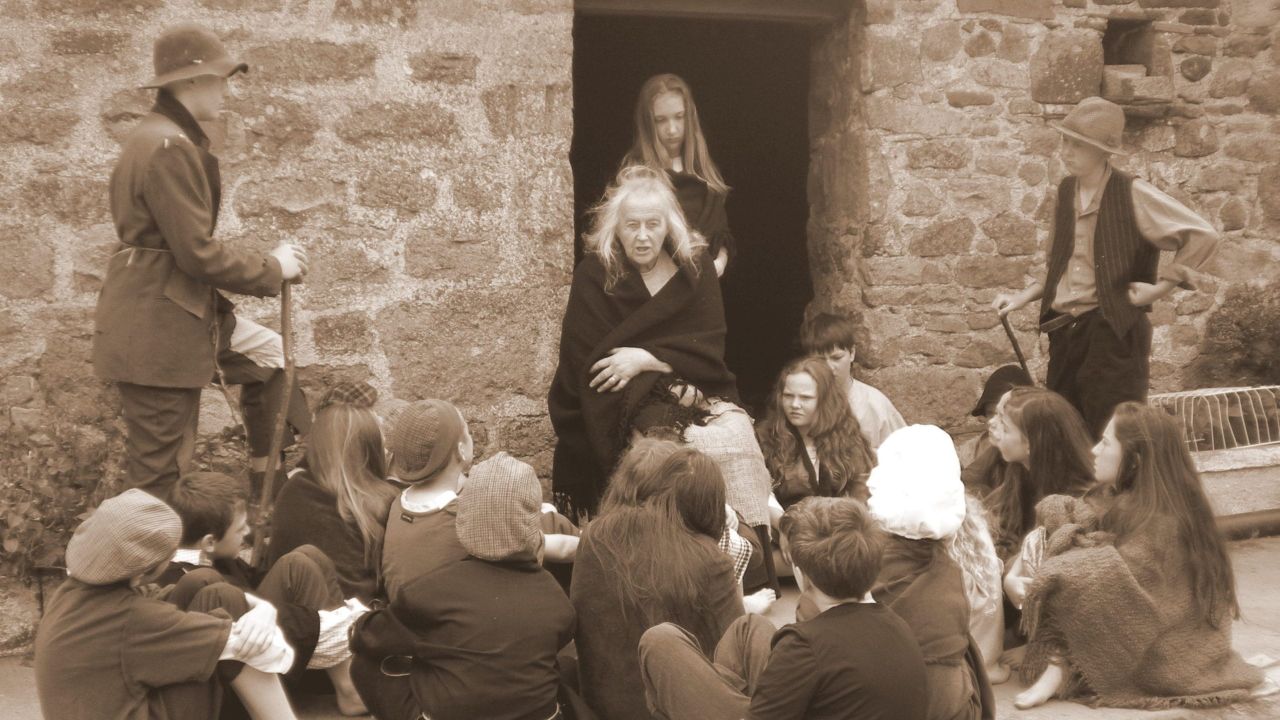
Stories abound of misfortune striking those who ignored these warnings: livestock dying mysteriously, houses collapsing, or people falling ill. These tales echo other Irish myths, such as the Selkies of folklore, in which crossing the boundary between human and magical worlds carries consequences.

Why Fairy Forts Are Respected Even Today
Even in modern Ireland, fairy forts are treated with caution. Farmers often leave them untouched, building fences around them rather than clearing the land. This isn’t mere superstition, it’s also a recognition of the sacredness of heritage sites.
The respect for fairy forts is part of a wider Celtic worldview that honored nature and sacred spaces. You see the same reverence in traditions tied to the Celtic oak tree or holy places like Irish wells.

Archaeology vs. Myth: A Unique Dialogue
Scholars see fairy forts as a fascinating case where archaeology and mythology overlap. While evidence clearly shows they were early settlements, the folklore surrounding them has ensured their survival in cultural memory.
Sites like the Hill of Tara show how history and myth often coexist in Ireland’s sacred landscapes. Fairy forts belong to this same tradition—places where past and present, reality and imagination, meet.
Conclusion: Ireland’s Hidden Gateways
Irish fairy forts are not just archaeological sites; they are symbols of a cultural worldview where the land itself is alive with stories. Whether seen as ancient farmsteads or portals to the Aos Sí, they remind us that heritage is not only what we dig from the ground but also the tales we continue to tell.

For more explorations of Celtic myths, folklore, and history, visit our Celtic blog.