

Irish Cottage Gardens: A Living Tapestry of Tradition and Nature

The Charm of Irish Cottage Gardens
When you picture an Irish cottage garden, you likely imagine stone walls, winding paths, wildflowers bursting in joyful chaos, and perhaps even a cat lazily dozing on a sunny windowsill. These gardens embody more than beauty; they tell stories of resilience, folklore, and community spirit. Just like Irish storytelling, they are a living narrative woven into the landscape.
A Brief History: From Necessity to Nostalgia
Originally, cottage gardens were less about aesthetics and more about survival. Rural families grew herbs for healing, vegetables for sustenance, and flowers for pollination and simple joy. Much like the lessons of the Irish Potato Famine, these gardens reflect how deeply food security was tied to survival.
Over time, practicality blended with poetry. Flowers crept in alongside cabbages, and climbing roses softened the sturdy stone cottages. By the 19th century, the Irish cottage garden had become a symbol of rustic beauty admired across Europe.
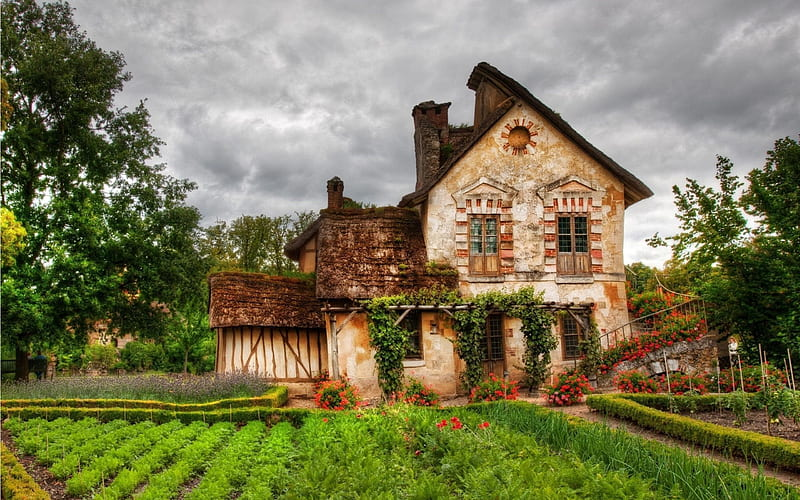
Key Features of an Irish Cottage Garden
- Wild, Not Formal – Unlike manicured estates, cottage gardens embrace a natural “organized chaos.”
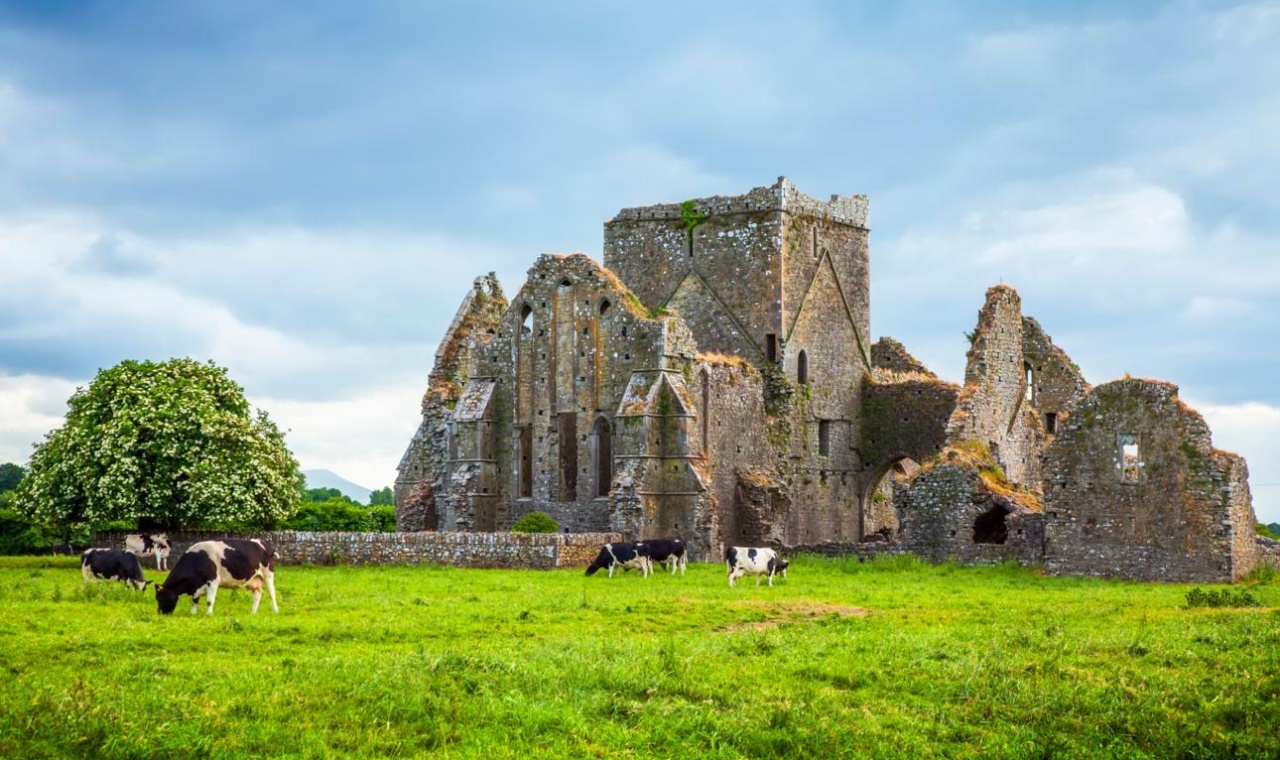
- Stone Walls & Pathways – Moss-covered stonework adds timeless character, much like Celtic stone carvings.
- Herbs & Healing Plants – Mint, thyme, and sage were household staples.
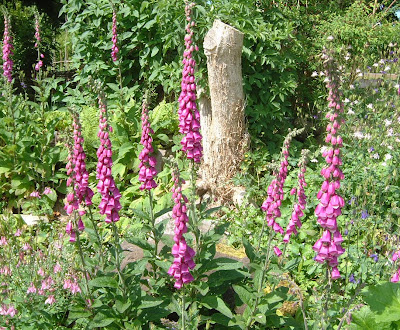
- Flowers for Folklore – Foxgloves, associated with fairies, remind us of legends like the Fairy Glen.
- Community Spirit – Seeds, cuttings, and knowledge were often shared between neighbors.

Plants That Define the Tradition
- Roses & Honeysuckle – climbing over doorways and windows.
- Foxgloves & Poppies – tied to folklore and fairy tales.
- Lavender & Thyme – practical herbs with spiritual associations.
- Potatoes & Cabbages – yes, practicality always had its place.
Even today, these plant choices echo the relationship between people and land, just as the Celtic oak tree symbolizes endurance.
Folklore in the Garden
Irish cottage gardens were never just about food or flowers, they were a bridge between the human and the mystical. Plants were believed to attract or ward off spirits, and wells and springs near gardens often carried sacred meaning, much like Irish holy wells.
Foxgloves, in particular, were thought to be gifts of the fairies, and leaving them untouched ensured good fortune. Gardens became places where folklore lived alongside the everyday.
Irish Cottage Gardens Today
Modern gardeners recreate these spaces not simply for beauty, but to preserve heritage. Walking into a well-kept Irish cottage garden feels like stepping back in time where music, folklore, and nature interlace. In a sense, they are as much a cultural performance as Ceili bands or fiddle music.
Whether in the rolling countryside of Kerry’s Ring of Kerry or in a quiet rural village, cottage gardens remind us that tradition can bloom eternally when rooted in care.

Final Thoughts
Irish cottage gardens are not just collections of flowers and herbs, they are living archives of culture, folklore, and resilience. They represent harmony between practicality and poetry, history and hope.
If you ever find yourself wandering through Ireland, stop at a cottage garden, breathe in the lavender, and listen closely, you may just hear the whispers of old tales carried on the wind.