Irish Pagan Gods: Danu and Lugh in Celtic Mythology

The story of Ireland begins not in stone castles or saintly chapels, but in mist where gods walked among mortals, rivers carried whispers, and sunlight was thought to be divine breath. Two of the most revered figures in Irish pagan mythology, Danu and Lugh, embody the spirit of that ancient world.
They stand at the heart of the Tuatha Dé Danann, the mythical race of gods and goddesses who ruled before the coming of humankind. Their myths offer us a window into how the early Irish understood nature, power, and creativity—values that still echo in Irish art, music, and belief today.
Danu: The Mother Goddess of Ireland
Before all others, there was Danu, the divine matriarch. Her name graces the very people she birthed—the Tuatha Dé Danann, or “People of the Goddess Danu.” She is less a single figure and more a cosmic force: a symbol of fertility, wisdom, and flowing water, often associated with rivers such as the Danube, which may trace its name to her.
Danu’s presence in Irish lore is subtle yet omnipresent. She was not a goddess of temples, but of landscapes, of rivers, mists, and fertile soil. To the Celts, Danu was the essence of life itself, nourishing gods and mortals alike.
Her nurturing role is mirrored in the reverence for Irish holy wells—sacred sites that predate Christianity but remain places of pilgrimage today. You can explore more about their spiritual continuity in Irish Holy Wells: Portals to the Past, Pathways to the Divine.
Lugh: The Radiant Warrior of Skill and Sunlight
If Danu is the nurturing mother, Lugh is the brilliant son—the Celtic god of light, mastery, and innovation. Known as Lugh Lámfada (“Lugh of the Long Arm”), he was a warrior, craftsman, and poet whose name is linked to the Irish harvest festival, Lughnasadh, celebrated in early August.
Lugh’s story is one of balance: he brings both fire and reason, symbolizing creativity as much as conquest. His victory over the dark Fomorian king Balor at the Battle of Mag Tuired represents the triumph of light over shadow, a recurring Celtic theme that endures in Irish spirituality and art.

You can read a deeper exploration of his symbolism in our dedicated piece: Celtic Sun God Lugh.
The Tuatha Dé Danann: Ireland’s Divine Family
Together, Danu and Lugh belong to the Tuatha Dé Danann, a pantheon that shaped the Irish mythic imagination. They were gods of craft, nature, war, and poetry—each reflecting the Celtic worldview that every element of existence, from oak tree to ocean wave, carried spirit and meaning.

This divine family’s tales were preserved not only in manuscripts like the Book of Invasions (Lebor Gabála Érenn) but also in the living tradition of Irish storytelling, explored beautifully in Why Are Irish People Natural Storytellers?.
Symbolism of Water and Light in Celtic Belief
The Irish pantheon wasn’t built on marble, but on metaphor. Water and light embodied by Danu and Lugh were sacred forces that defined the rhythm of existence.
- Water (Danu): Birth, renewal, mystery. The river was the lifeblood of both land and soul.
- Light (Lugh): Knowledge, courage, transformation. The sun guided seasons and inspired creation.
This sacred duality reveals a Celtic world profoundly interwoven with nature, where divinity was not distant but alive in the wind and rain.
The theme of sacred trees like the revered Celtic Oak Tree, symbol of endurance—further deepens this connection to the earth (Celtic Oak Tree).
Echoes in Modern Ireland
Though Ireland later embraced Christianity, the spirits of Danu and Lugh never truly vanished. They survived in folk memory, in festivals like Lughnasadh, and in place names—County Louth itself derives from Lugh’s name.
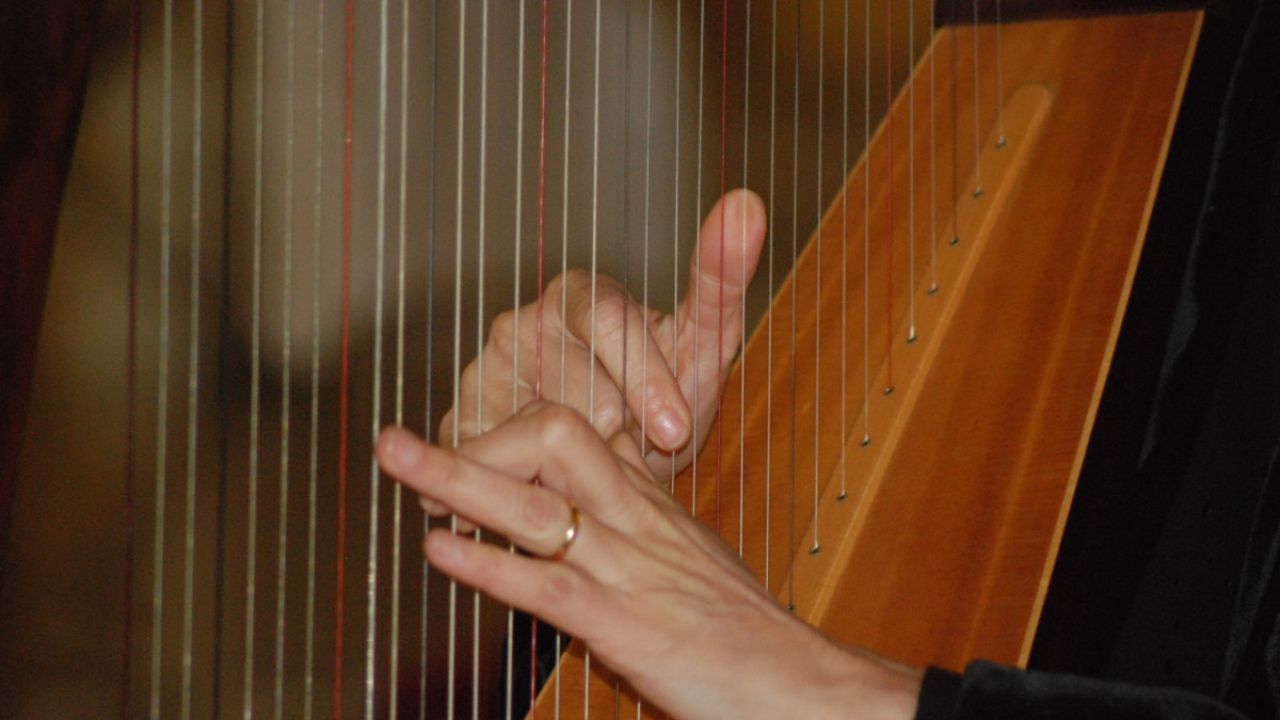
Even today, their echoes resound in Irish music, art, and storytelling, the very heartbeat of Irish identity. Whether sung through the strings of the Celtic harp (Clarsach) or whispered at sacred wells, the old gods remain part of Ireland’s living soul.

Legacy of the Irish Pagan Gods
Danu and Lugh remind us that Irish mythology was not merely a set of stories—it was a worldview. It celebrated life’s interdependence: creation and destruction, wisdom and strength, water and light.
Through them, we glimpse an Ireland that was once divine in every stone, storm, and sunrise.
And perhaps, when the mist rolls over the hills and the sun breaks through again, the old gods still smile upon their sacred isle.
Category:
Slug:
irish-pagan-gods-danu-lugh