Celtic Underworld Gods: Myths, Power, and Sacred Realms

When people think of Celtic mythology, they often imagine warriors, bards, and heroic kings. Yet beneath those stories lies another world: quiet, shadowed, and deeply meaningful. The Celts believed the underworld did not simply belong to darkness. It also held knowledge, healing, and renewal.
In this guide, we step into that world. We explore the gods who guarded it, shaped it, and guided souls through it.
And along the way, we see how the ancient Celts thought about life, death, and everything that lies between.
What the Celtic Underworld Really Was
The Celtic underworld was not like the fiery pits of later European folklore. Instead, it often appeared as:
- a beautiful island beyond the sea
- a lush realm beneath the earth
- or a hidden world reached through caves, wells, and hills
It was a place of spirits, ancestors, and divine kings.
A place of memory and sometimes of judgment.
If you have read about Annwn, the Welsh otherworld, you might recognize that sense of mystery and calm. You can explore more about it here:
What Is Annwn?
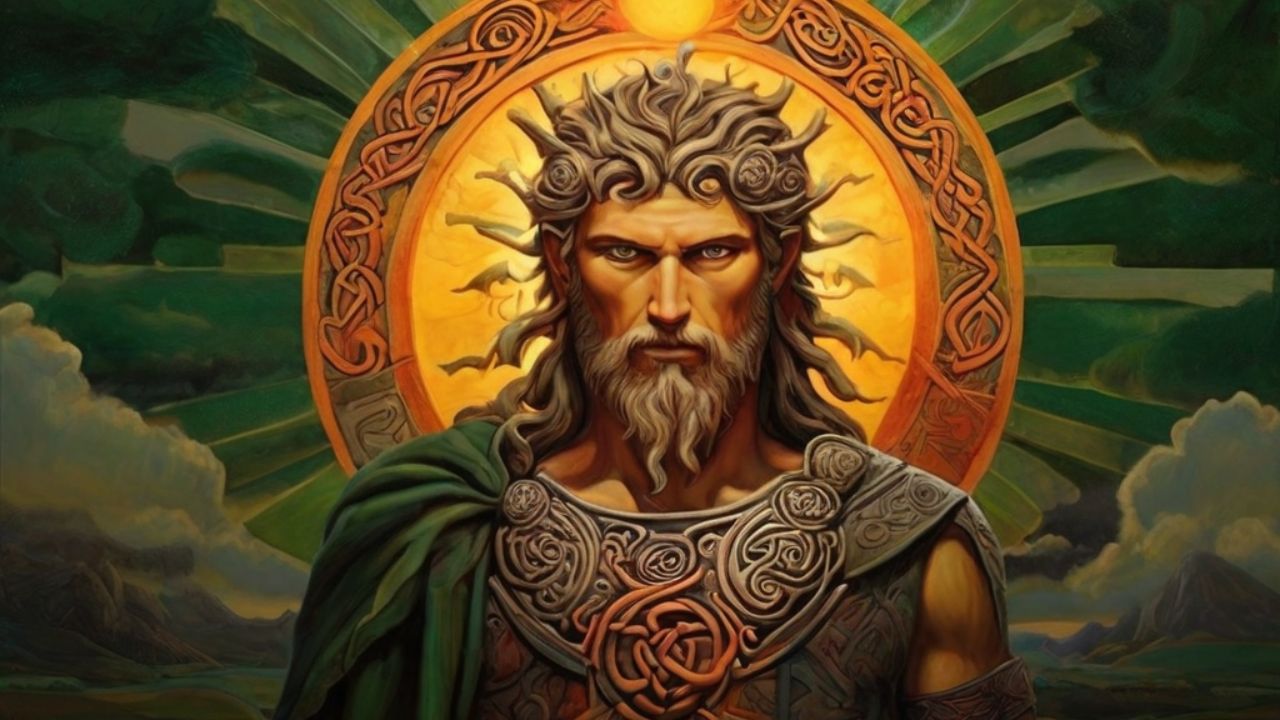
Arawn: Lord of Annwn
Arawn rules Annwn in Welsh tradition. He is not cruel. He is powerful, restrained, and deeply linked to honor.
In the Mabinogion, Arawn switches places with a mortal king, Pwyll, to restore balance. It shows something important. The underworld is not chaos. It follows laws. It respects loyalty and truth.

Donn: The Irish Lord of the Dead
In Ireland, the underworld often gathers at Tech Duinn, “The House of Donn.”
Donn guides souls after death. He is a figure of solemn authority, not terror.
Some traditions even believe that ancestors live with him. From there, they watch their families and lands.
This idea of the dead staying close also connects to Ireland’s sacred landscapes. Learn more about those landscapes here:
Hill of Tara
The Morrígan: Guardian, Fate-Weaver, and Shadow
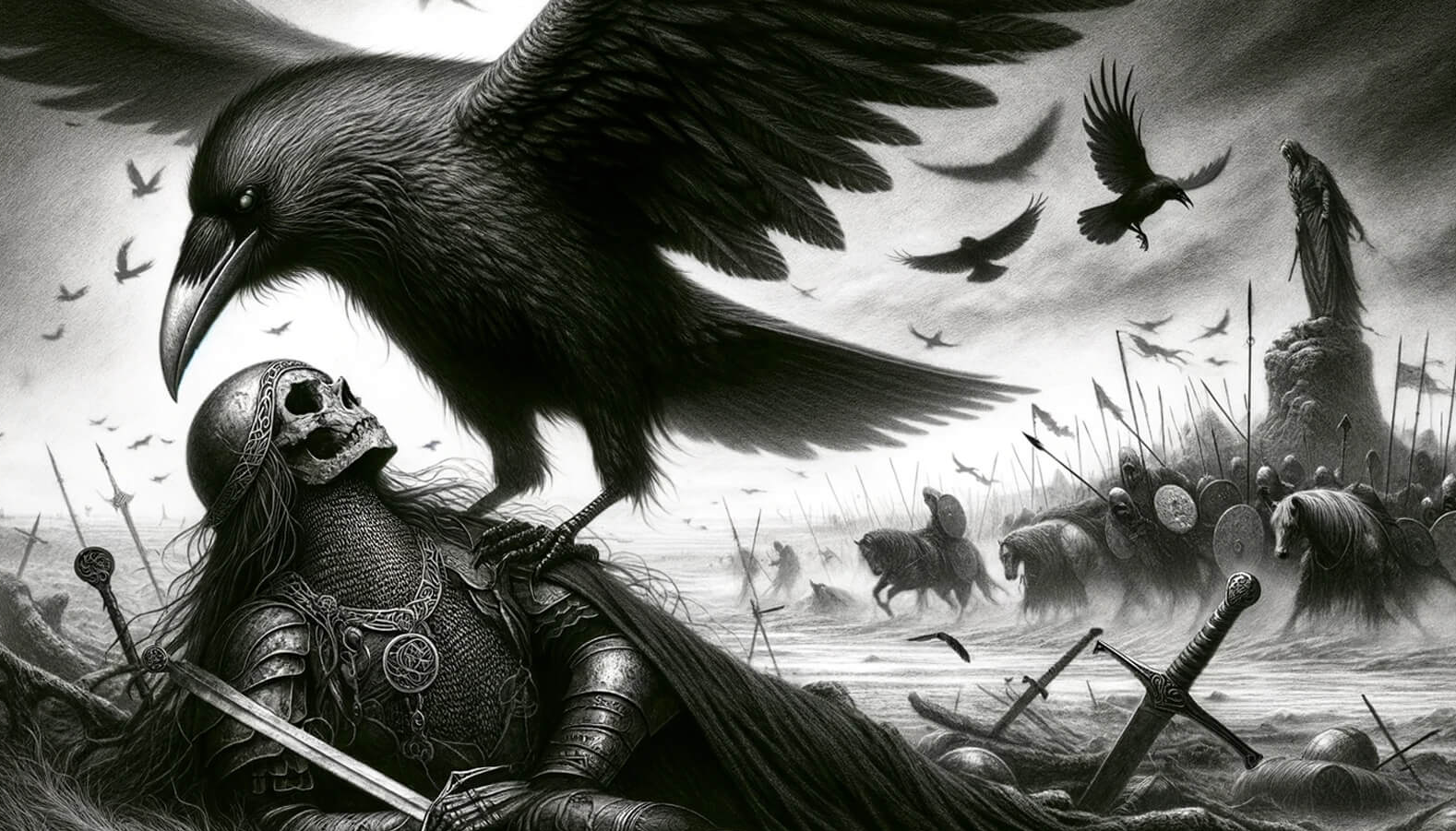
The Morrígan is not only a war goddess. She moves along the edges of life and death; appears beside battlefields, speaks of destiny, and reminds kings that their power always meets its end.
She does not rule the underworld like Arawn or Donn. Yet she shapes the path toward it. That is why she remains one of the most compelling figures in Celtic myth.
The Dagda and His Cauldron
The Dagda is often linked to harvests, wisdom, and strength but he also crosses into underworld territory. His cauldron feeds the living and revives the weak. It stands as a symbol of renewal after darkness.
You can dive deeper into this legendary object here:
The Cauldron of Dagda
When we read about the Dagda, we see that the underworld is not only an ending. It is also a turning point.
Gateways to the Otherworld
Celtic tradition often places entrances to the underworld in ordinary landscapes:
- wells and springs
- caves
- oak groves
- ancient mounds
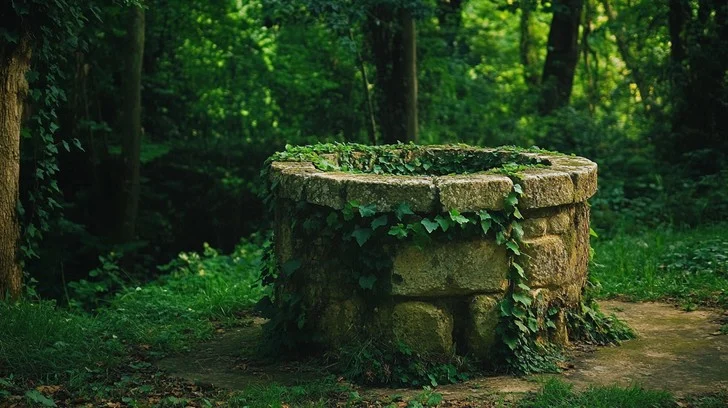
Holy wells in particular feel like bridges between worlds. They invite prayer, reflection, and quiet conversation with the unseen. If that fascinates you, this is a great next read:
Irish Holy Wells
Storytelling, Memory, and the Underworld
Celtic underworld myths are not horror stories. They are cultural memory. They speak about justice, respect for ancestors, and the fragile nature of human power.
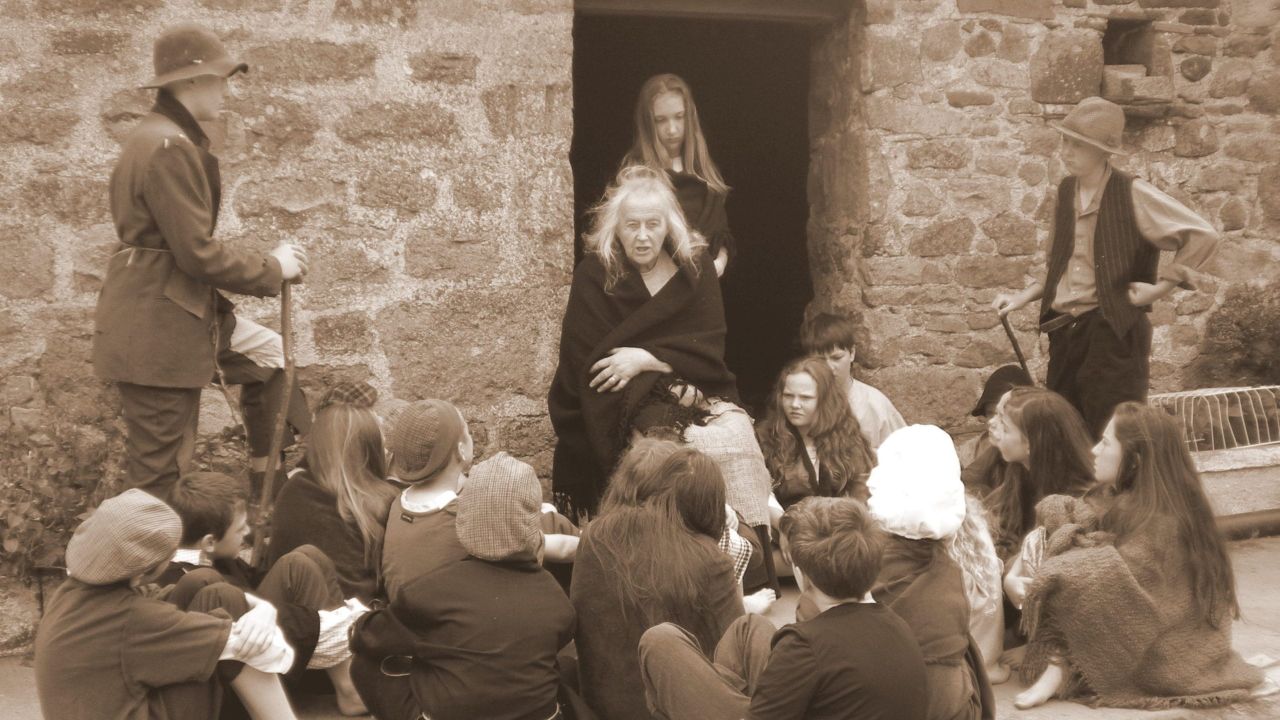
This tradition of storytelling still survives. You can see it clearly in the way Irish and Scottish communities pass tales down through generations:
Why Are Irish People Natural Storytellers?
Why These Myths Still Matter
When you study Celtic underworld gods, you discover a worldview that feels surprisingly humane. Death is not exile. It is part of the journey. It belongs to the natural rhythm of the world.
The Celts did not fear these gods. They respected them. They understood that every feast, every battle, every season eventually returns to the quiet realms below.
And from there, life begins again.