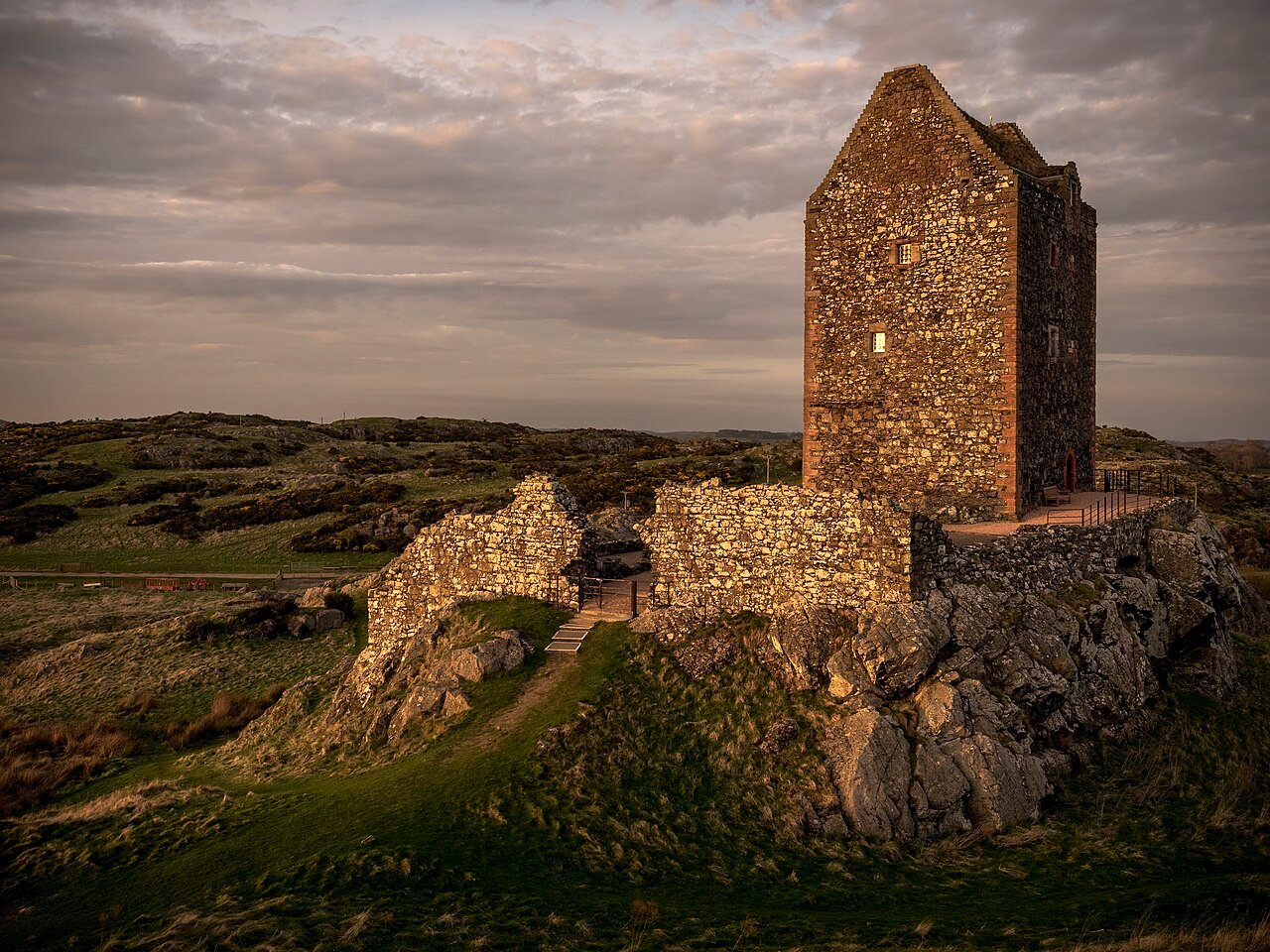
Irish Archaeology and Ancient Monuments: Tracing Ireland’s Deep Past
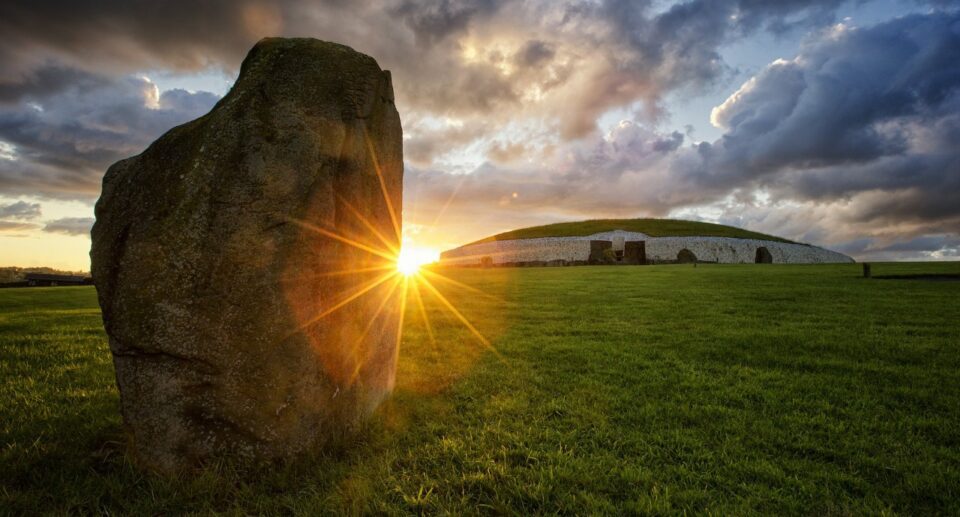
Ireland does not hide its history. It places it boldly in the landscape.
Across green fields and coastal ridges, ancient monuments rise from the earth. Passage tombs align with the winter sun. Stone circles crown hilltops. Early Christian crosses stand carved with intricate symbolism.
Irish archaeology reveals more than ruins. It reveals worldview, ritual, and identity.
Let us walk through that deep past together.
Why Irish Archaeology Matters
Irish archaeology bridges prehistory and memory. Excavations uncover tools, pottery, and burial sites. Monuments mark sacred and political power. Together, they tell a continuous story stretching back over 5,000 years.
Unlike many European regions, Ireland preserves an extraordinary density of prehistoric sites. Rural landscapes protect them. Cultural respect sustains them.
If you want to explore how memory shapes identity, our broader archive offers related studies:
https://celtguide.com/blog/
Newgrange and the Passage Tomb Tradition
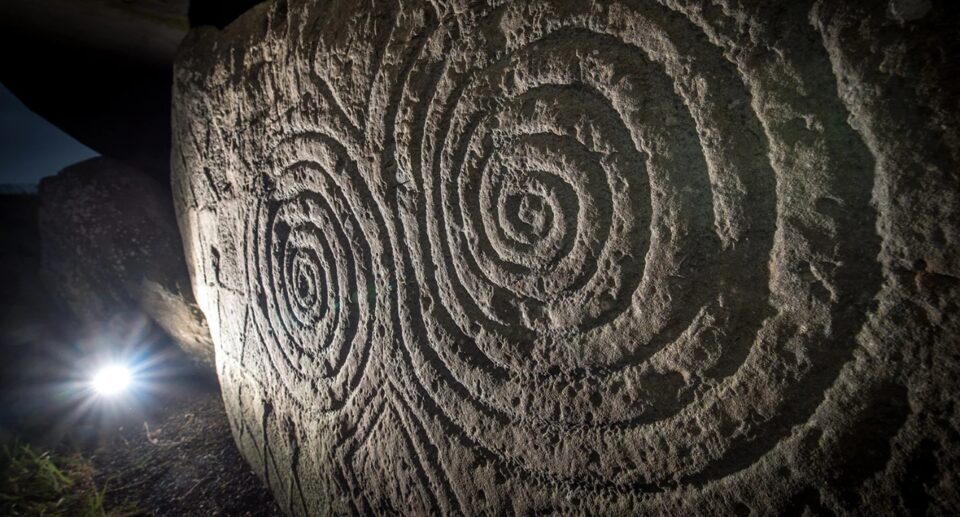
No discussion of Irish archaeology can begin without Newgrange. Built around 3200 BCE, this Neolithic passage tomb predates Stonehenge and the Egyptian pyramids.
Each winter solstice, sunlight penetrates its narrow passage and illuminates the inner chamber. Builders designed this alignment with astonishing precision.
Newgrange forms part of the Brú na Bóinne complex. Archaeologists continue to debate its full function. Was it a burial site? A ritual calendar? A statement of cosmic authority?
Likely, it served all three.
The monument shows how early Irish communities understood time and landscape as sacred.
The Hill of Tara: Power and Kingship
The Hill of Tara occupies a different chapter of Irish history. It functioned as a ceremonial center and seat of High Kings.
Earthworks and burial mounds mark the site. Myth and archaeology intertwine here. Legends connect Tara with sovereignty rituals and divine approval.
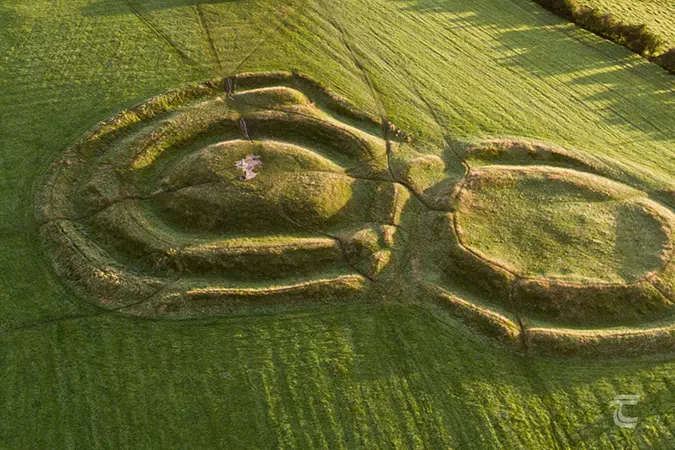
We explore its deeper cultural context in Hill of Tara:
https://celtguide.com/hill-of-tara/
Tara reminds us that monuments carry political meaning. Authority in early Ireland required sacred grounding.
Stone Circles and Megalithic Landscapes
Stone circles dot counties Cork, Kerry, and beyond. Builders arranged these stones with astronomical awareness. Many align with solstices or equinoxes.
Archaeologists examine their orientation, surrounding artifacts, and landscape placement. They often find evidence of ritual gatherings.
Sites near the Ring of Kerry showcase this interplay between landscape and belief:
https://celtguide.com/ring-of-kerry/
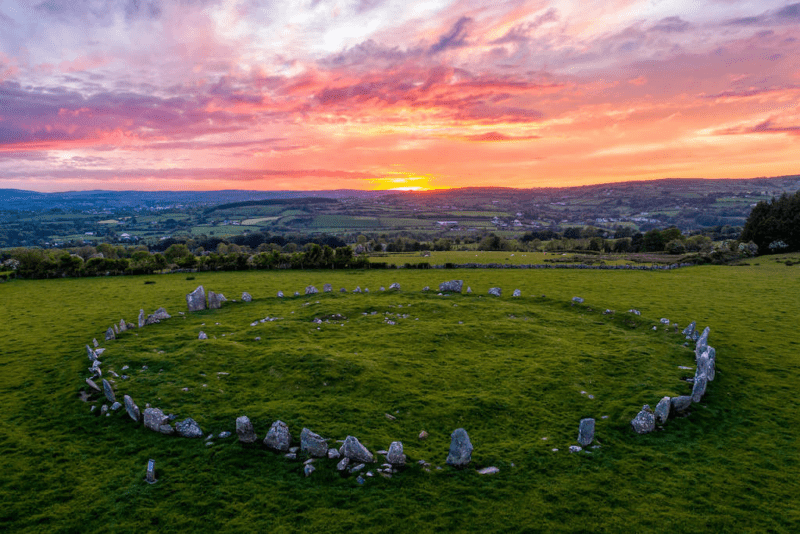
These circles reveal communal intention. Communities gathered, observed the sky, and marked seasonal change together.
Celtic Stone Carvings and Symbolic Language
As Ireland moved into the Iron Age and early Christian period, symbolism grew more intricate.
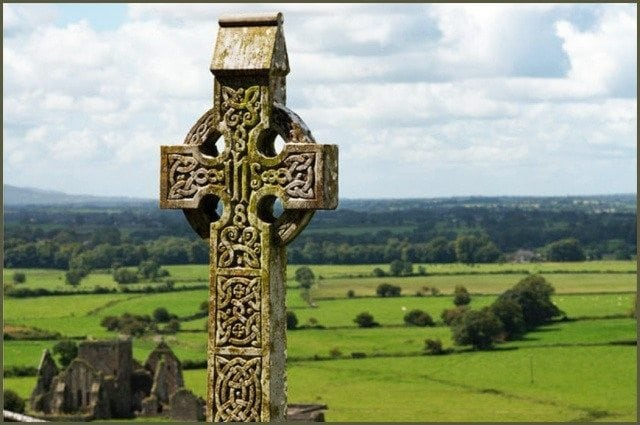
High crosses, ogham stones, and carved slabs display spirals, knotwork, and biblical scenes. These carvings function as visual theology and social memory.
For a deeper examination, see Celtic Stone Carvings:
https://celtguide.com/celtic-stone-carvings/
Carving stone requires intention and permanence. These monuments declare belief in continuity.
Sacred Wells and Ritual Continuity
Archaeology also studies water sources. Holy wells appear across Ireland. Many originated in pre-Christian ritual practice before later Christian adaptation.
These wells connect landscape, healing, and devotion. They demonstrate cultural layering rather than replacement.
Explore this theme in Irish Holy Wells: Portals to the Past:
https://celtguide.com/irish-holy-wells-portals-to-the-past-pathways-to-the-divine/
Such sites show how archaeology and folklore enrich one another.
Myth, Monument, and Memory
Irish monuments rarely stand silent. Story accompanies stone.
Sites often connect with mythic cycles and Otherworld traditions. If you are curious about Celtic cosmology, our guide to What Is Annwn? offers valuable context:
https://celtguide.com/what-is-annwn/
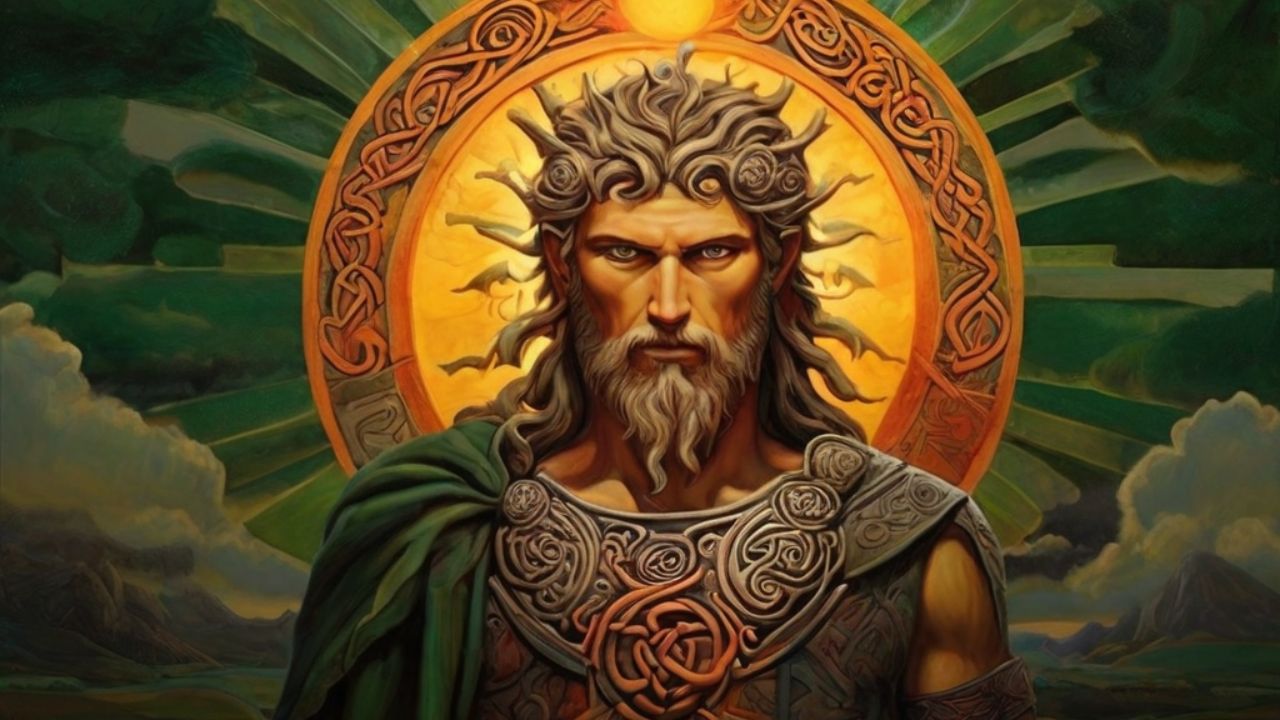
Similarly, deities such as Lugh appear in traditions tied to seasonal festivals and sacred sites. Learn more in Celtic Sun God Lugh:
https://celtguide.com/celtic-sun-god-lugh/
Archaeology provides structure. Myth provides meaning. Together, they form a cultural archive.
Archaeology and Modern Irish Identity
Ancient monuments continue to shape contemporary Ireland. National heritage policies protect them. Schools teach their significance. Tourism sustains local economies.
Festivals, music, and craft traditions often echo ancient motifs. Even symbolic objects such as the Claddagh ring draw from historical layers of meaning. Explore that symbolism in:
https://celtguide.com/claddagh-ring-meaning-history-and-symbolism/
The past does not sit behind glass. It informs daily life.
FAQs
What is the oldest monument in Ireland?
Newgrange, built around 3200 BCE, ranks among Ireland’s oldest surviving monuments.
Why is the Hill of Tara important?
The Hill of Tara served as a ceremonial center and symbol of kingship in early Ireland.
What do Irish stone circles represent?
Stone circles likely marked astronomical events and hosted ritual gatherings.
How does archaeology connect with Irish mythology?
Many monuments align with mythic traditions, linking physical sites with cultural storytelling.
Final Reflection
Irish archaeology does not merely catalogue artifacts. It reconstructs worldview. It shows how communities organized space, time, and belief.
From Neolithic tomb builders to early Christian carvers, Ireland’s ancestors shaped landscapes that still command attention.
When you stand before these monuments, you encounter continuity. The stones endure. And through them, so does Ireland’s story.