The Celtic Love Goddess Áine Explained
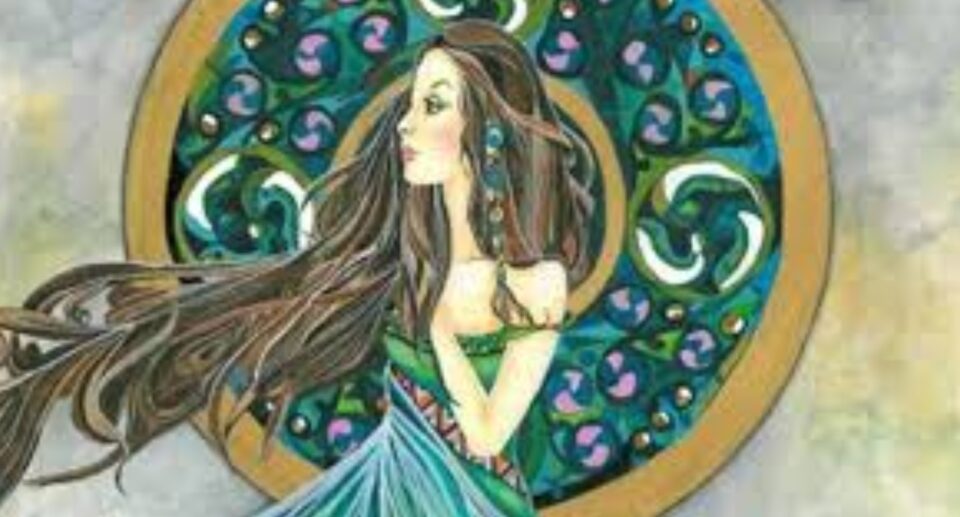
Áine stands among the most compelling figures in Irish mythology. She embodies love, fertility, sovereignty, and the life-giving power of the sun. Unlike distant or abstract deities, Áine moves through the Irish landscape with intimacy. Hills, lakes, and ancient ritual sites still carry her name. Through Áine, early Irish communities expressed how love, land, and authority belonged together.
Who Is Áine in Celtic Mythology?
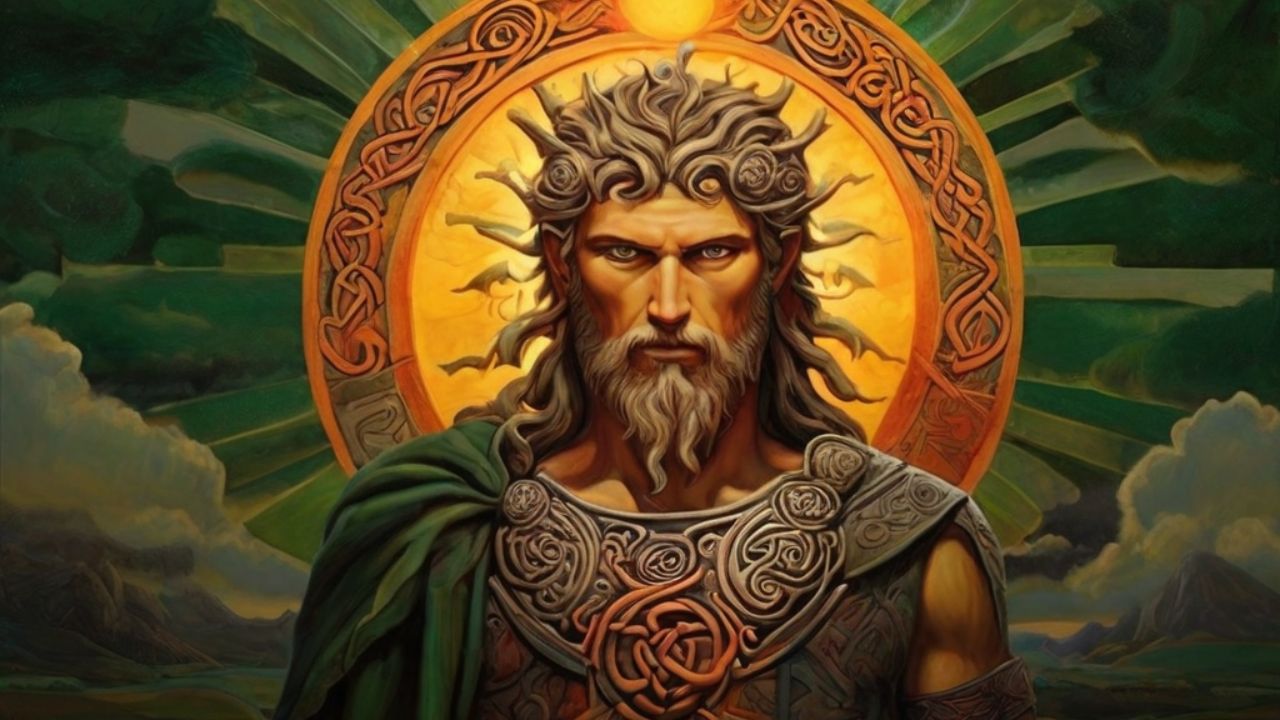
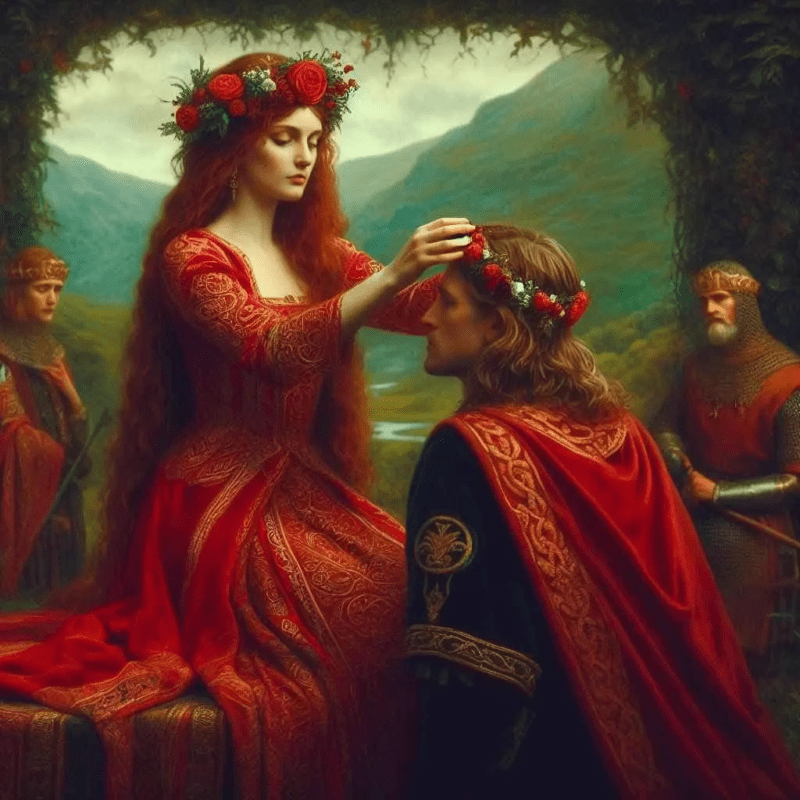
Áine belongs to the ancient Irish pantheon and appears most often in Munster traditions. She rules as a fairy queen and sovereignty goddess, a role that ties her directly to kingship and land. In early belief systems, a ruler gained legitimacy through union with the land itself. Áine personified that bond.
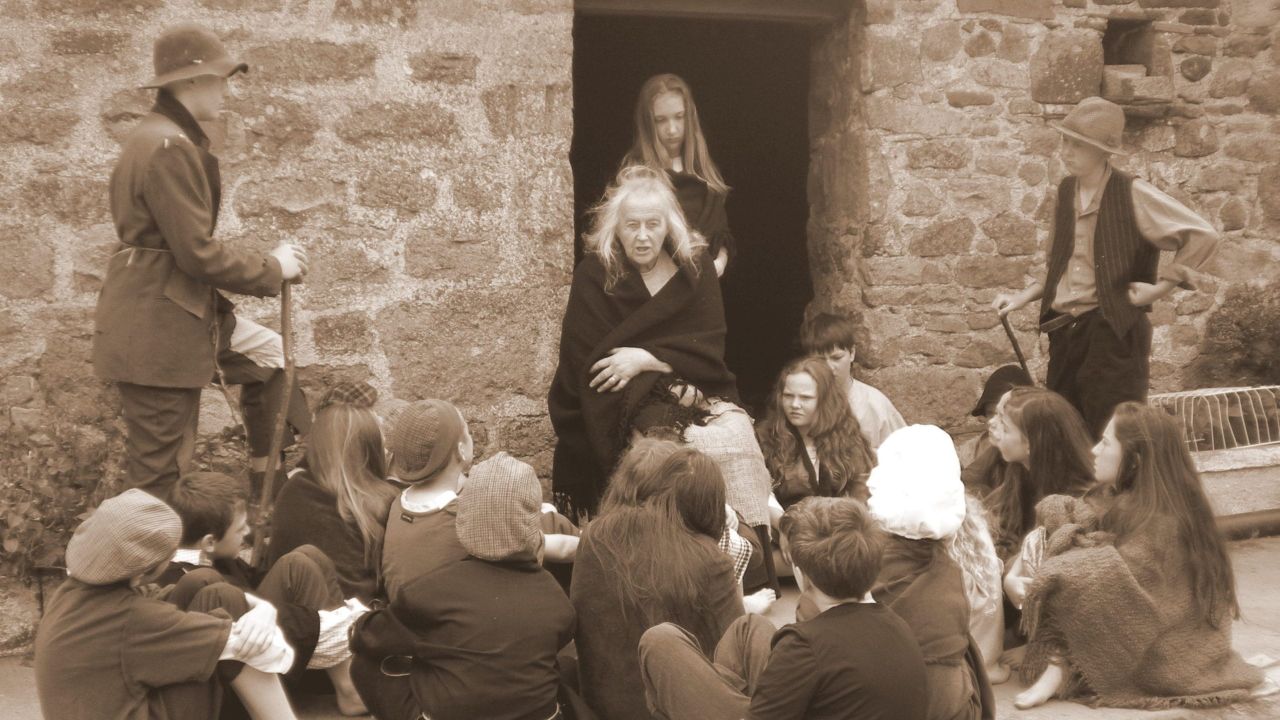
Storytellers describe her as radiant and powerful, yet deeply human. She loves fiercely and punishes betrayal without hesitation. This balance makes her relatable and enduring. Irish oral tradition, shaped by a culture of storytelling, preserved these layered portrayals over centuries. You can explore that tradition further in Why Are Irish People Natural Storytellers?.
Áine and the Landscape of Munster
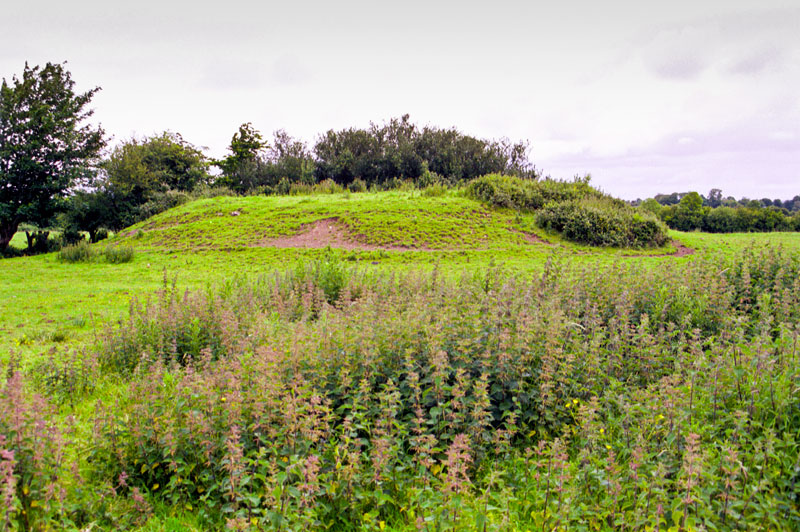
The geography of Munster anchors Áine’s mythology. Cnoc Áine (Knockainey Hill) in County Limerick serves as her primary seat. Seasonal rituals once marked midsummer here, aligning Áine with solar power and agricultural abundance. Fire festivals celebrated growth, fertility, and protection of the land.
These sacred landscapes reflect a broader Celtic habit of carving meaning into stone and earth. Similar symbolic thinking appears in Celtic stone carvings, where myth and environment speak together.
Love, Fertility, and Female Power
Áine governs love, but not in a purely romantic sense. Her stories explore desire, consent, and consequence. Several legends recount how she resisted or punished men who tried to dominate her. These narratives assert female autonomy in a mythic framework.
She also protects fertility in both land and people. Fields flourish under her favor, and communities thrive when they respect natural balance. In this role, Áine shares symbolic ground with other Celtic figures of abundance, such as the Dagda, whose nurturing aspects appear in The Cauldron of Dagda.
Áine as Fairy Queen
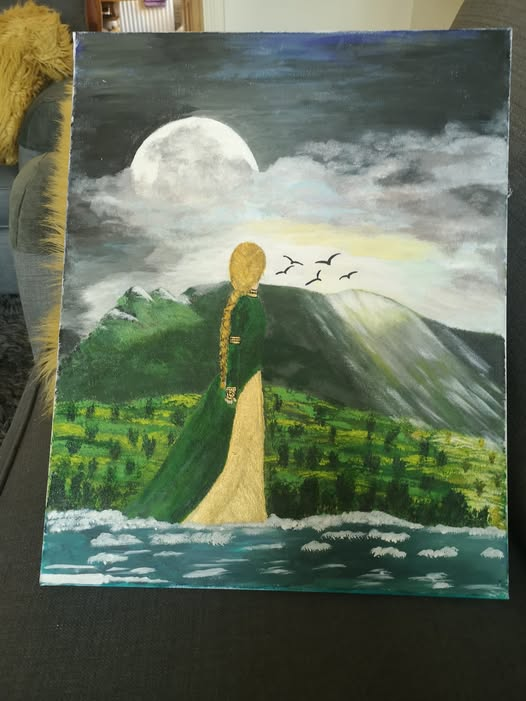
Later folklore recasts Áine as a fairy queen rather than a formal goddess. This shift reflects Ireland’s transition from pagan belief to Christian influence. Yet the core of her power remains intact. As queen of the daoine sídhe, she rules the Otherworld with authority and grace.
This blending of goddess and fairy mirrors other Irish legends, such as Selkies in folklore, where ancient deities softened into supernatural figures without losing meaning.
Áine’s Legacy in Modern Celtic Culture
Áine continues to inspire modern writers, artists, and spiritual traditions. Her image appears in poetry, feminist scholarship, and neo-pagan practice. She represents sovereignty rooted in respect, not domination. In this way, Áine speaks clearly to contemporary audiences.
Her endurance also reflects the wider survival of Celtic myth. Places like the Hill of Tara remind us that mythology never existed apart from the land. Áine’s stories still rise from soil, sun, and seasonal rhythm.
Conclusion
Áine remains one of the most vivid figures in Celtic mythology because she unites love, land, and power. She does not fade into abstraction. Instead, she walks the hills of Munster, luminous and watchful. Through Áine, Irish tradition teaches that true sovereignty begins with harmony between people, nature, and desire.