
Scottish Legends of the Phantom Black Dog: Origins, Meaning, and Folklore
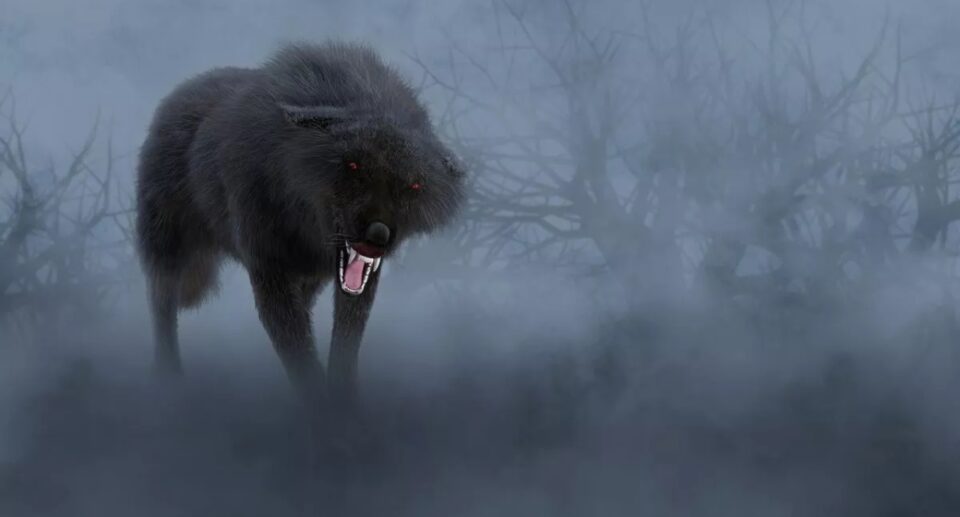
Across Scotland, stories warn travelers of a large black dog that appears without sound and vanishes without trace. This creature, often called the Phantom Black Dog, stalks lonely roads, graveyards, and moorlands. It does not bark. It watches.
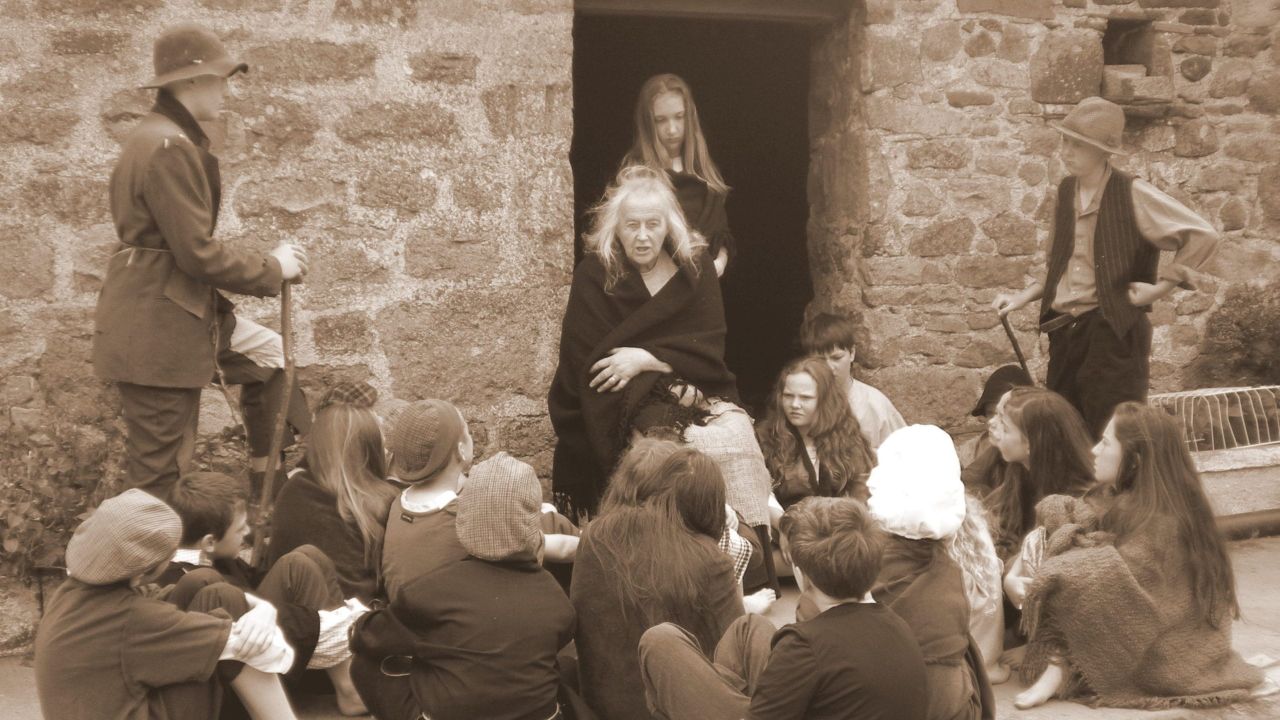
Such legends persist because Scotland values storytelling as cultural memory. Narratives pass from one generation to the next, preserving fear, wisdom, and place. You can see similar storytelling traditions explored in our article on why Irish people are natural storytellers.
Origins of the Phantom Black Dog in Scotland
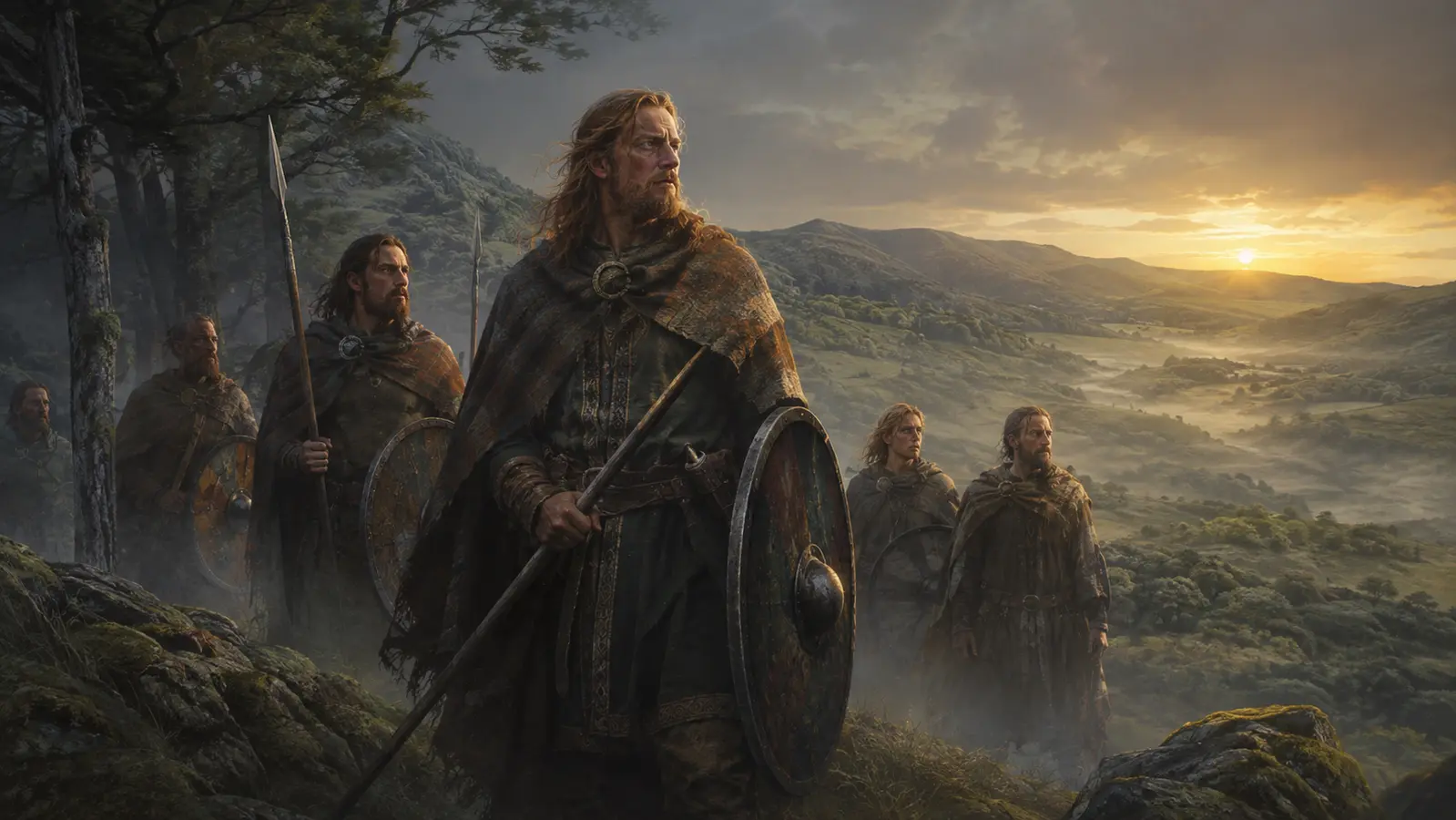
The Phantom Black Dog appears across Britain, but Scottish versions carry unique regional depth. In the Highlands, the dog often serves as an omen rather than a monster. Witnesses describe it as large, silent, and unnaturally calm.
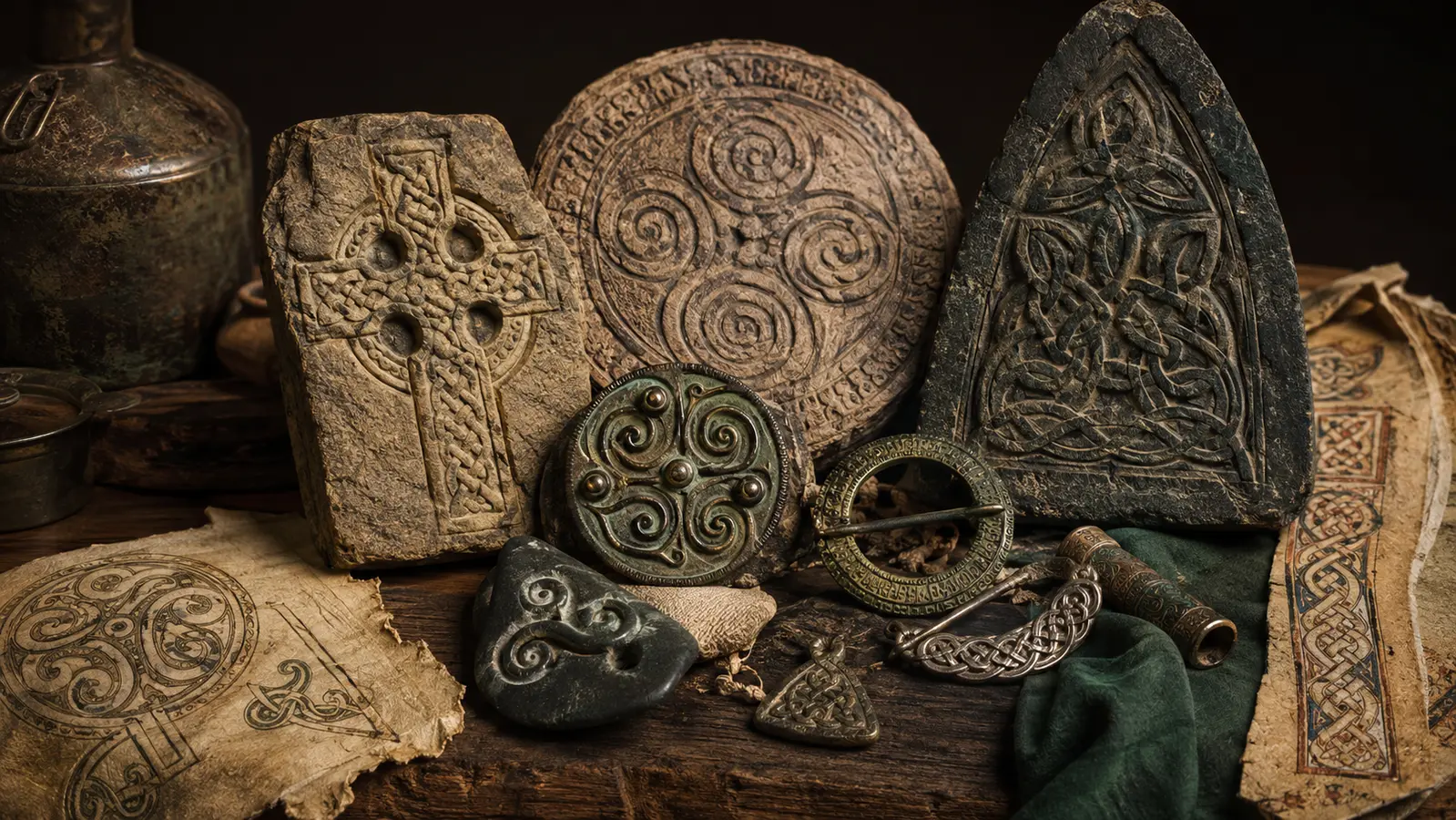
Early Celtic belief systems accepted the presence of spirits within the landscape. Stones, hills, and paths held memory. This worldview explains why supernatural guardians appear so often in folklore. Scottish stone symbolism reflects this belief, as discussed in our guide to Celtic stone carvings.

Names and Regional Variations
Scotland knows the Phantom Black Dog by many names. In the Lowlands, people speak of the Muckle Black Tyke. Highland communities sometimes describe a spectral hound guarding boundaries between worlds.
Unlike aggressive monsters, the Scottish black dog rarely attacks. It observes. This restraint sets it apart from English counterparts such as Black Shuck. The Scottish version reflects a Gaelic worldview shaped by caution rather than spectacle.
This regional variation mirrors how other Celtic legends adapt across landscapes, much like the stories tied to the Fairy Glen.
Symbolism: Death, Protection, or Warning?
Scholars debate the meaning of the Phantom Black Dog. Some interpret it as a death omen. Others view it as a guardian spirit guiding souls safely between worlds.
Dogs held symbolic importance in Celtic culture. They represented loyalty, liminality, and protection. Even deities such as the Celtic sun god Lugh appear alongside animals that bridge worlds. The black dog fits this symbolic pattern.
Its dark color does not imply evil. Instead, it signals mystery and the unknown.

Landscapes Where the Black Dog Appears
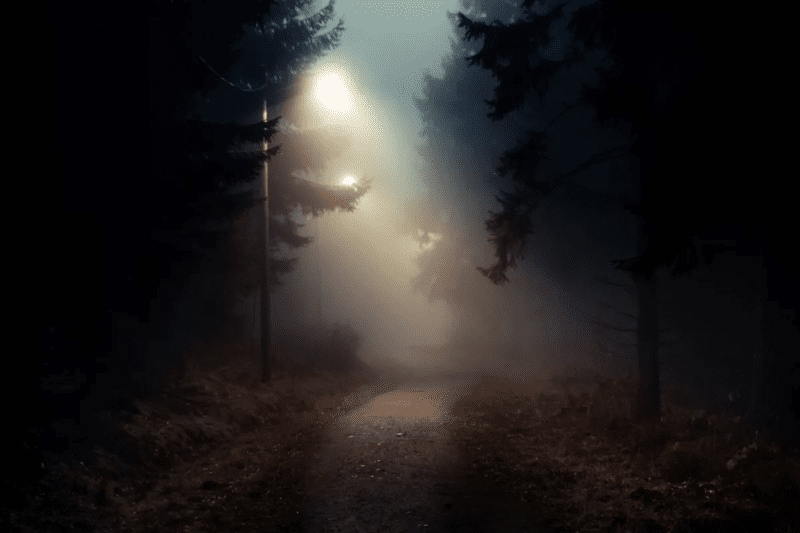
Reports often place the Phantom Black Dog near crossroads, old burial grounds, and remote paths. These spaces carry spiritual weight in Celtic belief. Crossroads mark choice. Graveyards hold memory. Moorlands blur boundaries.
Scottish landscapes do not serve as backdrops alone. They act as participants in myth. This relationship between land and story mirrors sacred sites like the Hill of Tara in Ireland, where place anchors meaning.
Folklore Versus Fear
Despite its ominous reputation, the Phantom Black Dog rarely harms those who encounter it. Many accounts describe the dog walking beside travelers before disappearing. This behavior suggests guidance rather than threat.
Gaelic proverbs often warn against misreading signs. Fear grows when people ignore context. Our collection of Gaelic Irish proverbs reflects this careful approach to wisdom and warning.
The legend teaches attentiveness rather than terror.
The Phantom Black Dog in Modern Culture
Today, the Phantom Black Dog appears in literature, tourism narratives, and oral history projects. Storytellers use it to explore grief, transition, and respect for landscape.
Interest in folklore continues to rise as people seek rooted meaning. Like selkie legends or ancient bells, the black dog offers connection to older ways of understanding the world.
Why the Legend Endures
Scottish legends of the Phantom Black Dog endure because they balance fear with meaning. The story does not rely on shock. It relies on atmosphere, place, and restraint.
In this way, the black dog remains distinctly Scottish. It watches. It warns. Then it fades back into the land.