The Battle of Mag Tuired: A Defining War of Celtic Lore
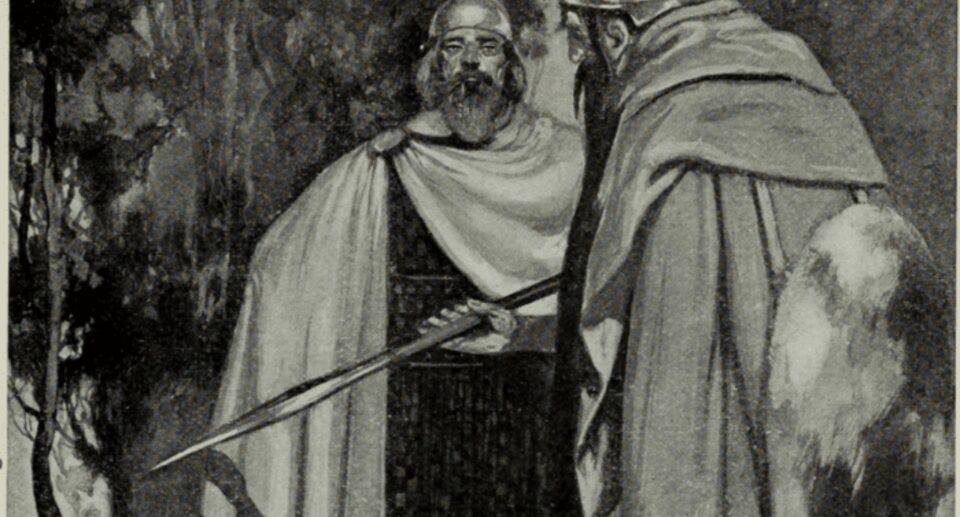
Celtic mythology thrives on stories of conflict, transformation, and identity. Among its most powerful narratives stands the Battle of Mag Tuired, a mythic war that defined order, leadership, and cultural memory in early Ireland. Far more than a tale of swords and sorcery, this battle explores what it means to rule wisely, to resist chaos, and to unite against overwhelming odds.
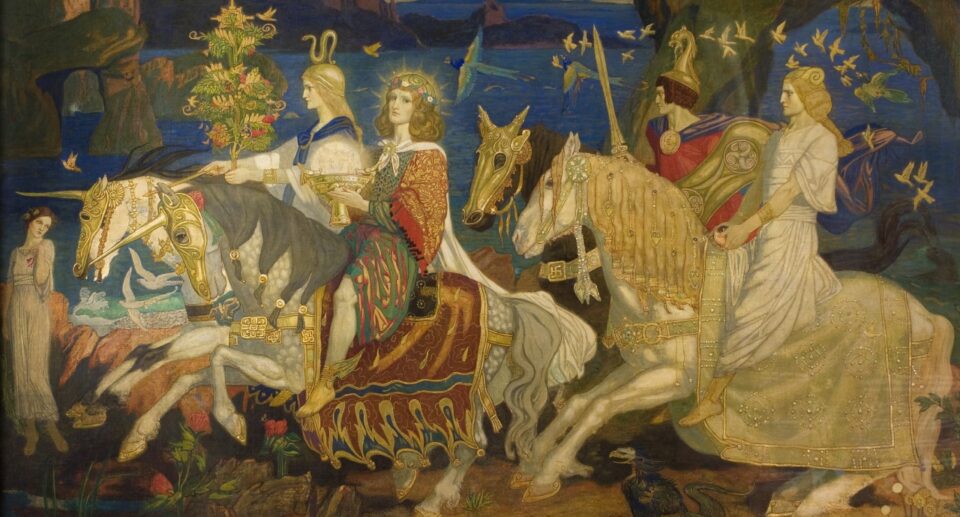
Irish tradition preserves two battles at Mag Tuired, yet the Second Battle remains the most influential. It pits the Tuatha Dé Danann, divine beings of skill and knowledge, against the Fomorians, forces of destruction linked to chaos and imbalance.
The Mythic Setting of Mag Tuired
Mag Tuired, often translated as the Plain of Pillars, exists both as a legendary landscape and as a symbolic space. It represents the fragile boundary between civilization and disorder.
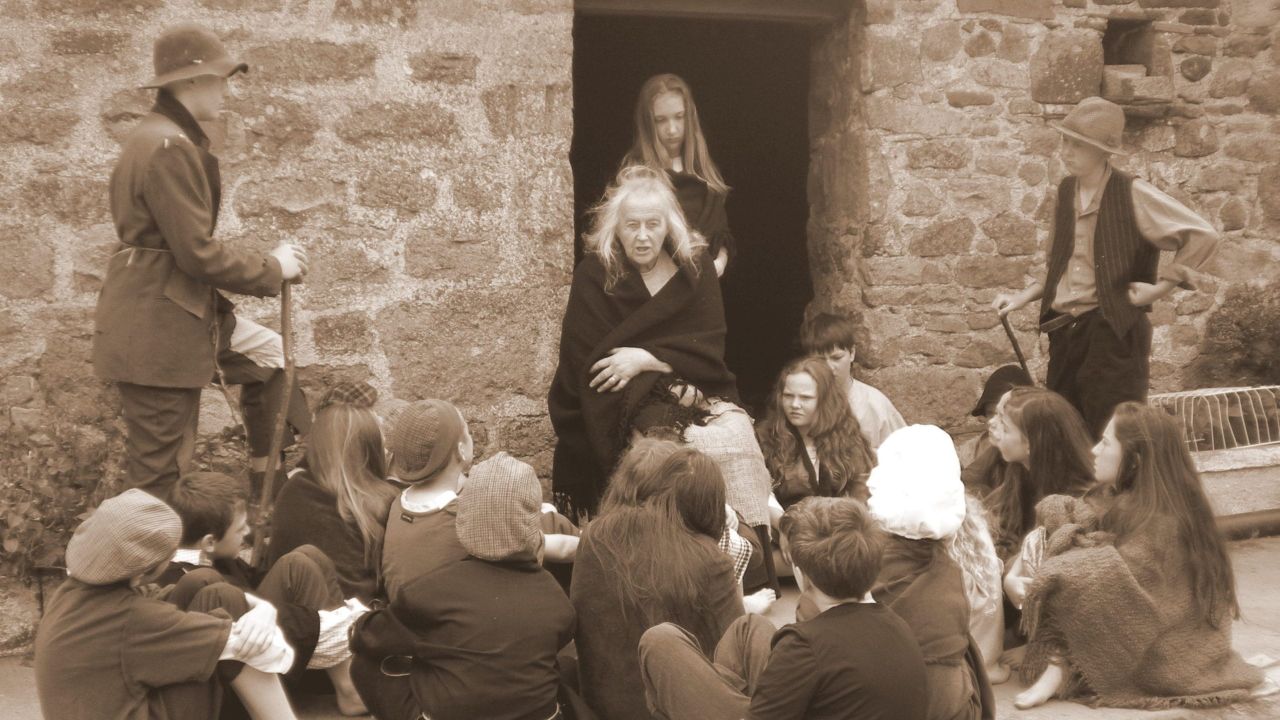
Celtic storytellers shaped this setting with intention. As explored in why Irish people are natural storytellers, oral tradition transformed history into meaning-rich myth. Mag Tuired thus becomes a stage where values clash, not merely armies.
The Fomorians: Embodiments of Chaos
The Fomorians rule the early myth as oppressive figures tied to darkness, storms, and imbalance. Their king, Balor of the Evil Eye, symbolizes unchecked power. His gaze alone brings destruction, a warning embedded deeply in Celtic moral thought.
Balor’s tyranny reflects a worldview where domination replaces harmony. This opposition echoes other Celtic symbols of imbalance found in sacred landscapes and carvings, such as those discussed in Celtic stone carvings.
The Rise of Lugh: The Many-Skilled God
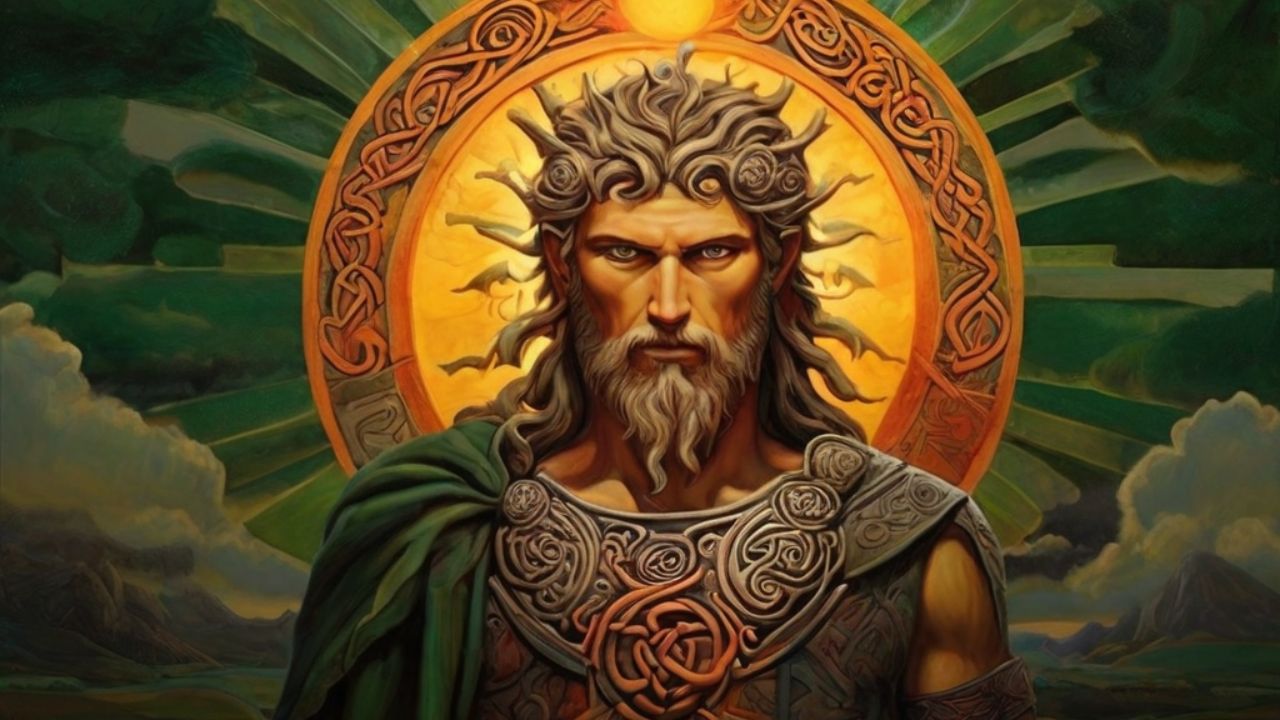
Against this darkness stands Lugh Lámhfhada, the god of light, craftsmanship, and strategy. Unlike brute warriors, Lugh represents versatility. He earns his place not through inheritance but through skill.
His role connects directly to broader Celtic ideals of mastery and balance, explored in detail in the Celtic sun god Lugh.
Lugh does not fight alone. He unites healers, smiths, musicians, and warriors. The Tuatha Dé Danann win not because they overpower the Fomorians, but because they coordinate.

The Battle Unfolds
The Second Battle of Mag Tuired erupts as a turning point in mythic history. Nuada loses his life, yet leadership endures through collective purpose. Lugh confronts Balor directly and defeats him using intelligence rather than force.
This moment reshapes Celtic storytelling. Victory belongs to cooperation, foresight, and moral clarity. The lesson mirrors other mythic objects of power, such as the Cauldron of Dagda, which symbolizes abundance earned through balance.
Cultural Meaning and Legacy
The Battle of Mag Tuired influenced Irish identity for centuries. Medieval scholars copied it carefully. Poets reimagined it. Even today, echoes of the battle appear in modern fantasy, music, and ritual storytelling.
Its themes connect naturally with living traditions. The rhythm of fiddle music and the communal spirit of céilí bands reflect the same idea: unity creates strength.

Why Mag Tuired Still Matters
This battle endures because it asks timeless questions. How should power operate? What defeats chaos? Who deserves to lead?
In a world still shaped by conflict, Mag Tuired offers a striking answer. Knowledge must guide strength. Skill must outweigh fear. Community must replace domination.
For readers exploring Celtic mythology more deeply, the journey continues through realms like Annwn and heroic cycles that echo the same moral structure.
Final Thoughts
The Battle of Mag Tuired stands as one of the most sophisticated myths in Celtic tradition. It blends philosophy, politics, and poetry into a story that still resonates. By reading it closely, we do more than revisit legend, we encounter the values that shaped Celtic civilization itself.