Scottish Traditional Gaiters: History, Use & Cultural Value
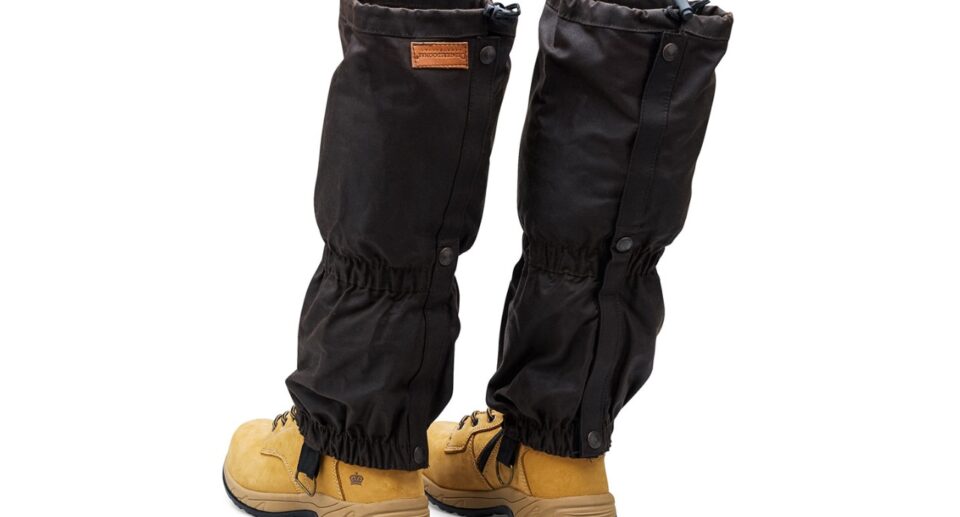
Gaiters rarely take centre stage in discussions about Scottish dress, yet they shaped daily Highland life as much as kilts, plaids, and sturdy brogues. As someone immersed in Celtic material culture at the University of Edinburgh, I often see gaiters overlooked in favour of more glamorous garments. But these modest pieces tell us a great deal about resilience, terrain, and cultural identity.
In this guide, we explore how Scottish traditional gaiters worked, why Highlanders relied on them, and how they connect with broader Scottish heritage, from tartan history to the rugged landscapes that shaped everyday clothing.
What Are Scottish Traditional Gaiters?
Scottish gaiters are protective coverings worn over the lower legs and shoes. They shield the wearer from mud, thorns, heather, snow, and weather, common challenges across the Highlands. Most were made from wool, thick linen, or leather. Their sturdy design allowed Highlanders to move across rough moorland without tearing their hose or injuring their shins.
Why Gaiters Mattered in Highland Life
Highland life demanded clothing that worked with the land, not against it. Roads were few, paths were steep, and weather shifted quickly. Gaiters provided protection and warmth, especially when paired with the belted plaid or early tartan wear.
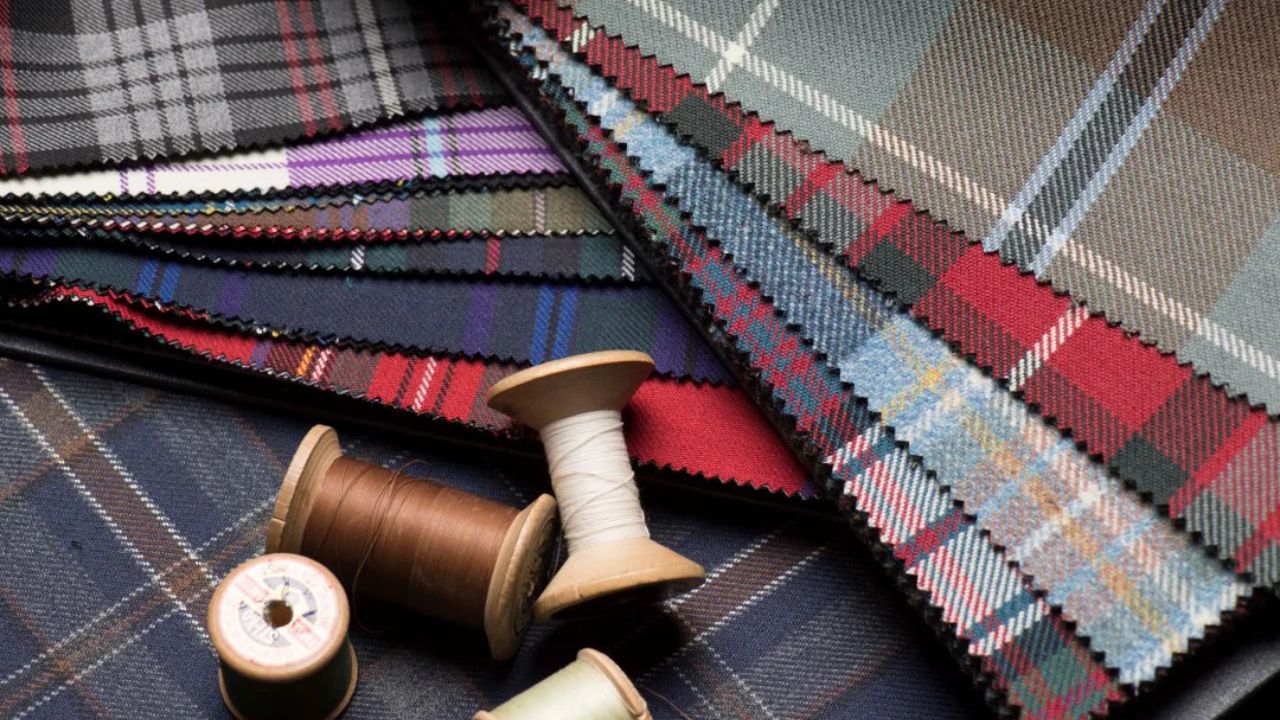
To understand this practicality, you might also explore how tartan evolved over time in our detailed guide on What Is Tartan?.
Gaiters allowed the wearer to:
- Walk through wet grass and bog without soaking their hose
- Keep debris out of their shoes
- Add warmth during long winter journeys
- Protect legs while hunting or herding cattle
- Maintain a firm grip on uneven ground
This blend of protection and mobility made them essential to Highland outdoor life.
Materials and Construction: Built for the Highlands
Traditional gaiters came in different forms, yet most shared a few key features:
1. Wool Gaiters
Warm, breathable, and ideal for the variable Scottish climate.
2. Linen or Canvas Gaiters
Lightweight options for summer and field work.
3. Leather Gaiters
Highly durable and commonly used by hunters, soldiers, and horsemen.

Many gaiters fastened with small buttons or leather straps. Some wrapped fully around the leg, while others resembled a half-gaiter that protected only the lower shin and ankle.
Gaiters in Military and Working Life
Scottish regiments used gaiters widely, especially during the 18th and 19th centuries. Soldiers marched through unpredictable landscapes, so gaiters became part of their everyday gear.
Outside the military, crofters, shepherds, and travellers used gaiters for simple reasons: the land required them. You can learn more about the rhythm of rural Highland life in A Crofter’s Journey Through Time.
Cultural and Fashion Connections
Although gaiters are practical first, they connect beautifully to Scotland’s wider fashion heritage. They were often worn with kilts or early tartan wraps. If you’re studying Highland clothing, don’t miss our guides on:
These pieces help frame how functional garments like gaiters supported the visual identity of the Highlands.
Gaiters in Highland Reenactment and Modern Use
Today, enthusiasts, reenactors, and Highland walkers still wear gaiters for both authenticity and practicality. Wool and leather versions recreate 18th-century Highland dress, while modern outdoor gaiters mirror the same purpose, protection from rugged terrain.

If you are exploring Scottish heritage sites, such as the Isle of Mull or the Ring of Kerry, gaiters can still make your hiking more comfortable.
Why Gaiters Deserve More Recognition
Scottish gaiters are a reminder that Highland clothing was shaped not only by aesthetics but by landscape, labour, and everyday needs. They show how culture survives through small, practical objects that make life workable.
If you enjoy exploring overlooked elements of Scottish culture and storytelling, visit our Blog Hub for more heritage pieces or dive into how storytelling shapes Celtic identity in Why Are Irish People Natural Storytellers?.
Conclusion
Scottish traditional gaiters may seem simple, yet they reflect centuries of resilience and adaptation. They protected Highlanders on their journeys, supported military campaigns, and continue to appear in reenactments today. Understanding them draws us closer to the lived reality of Scotland’s past and its enduring relationship with the land.