Scottish Knife (Sgian Dubh): History, Meaning & Identity
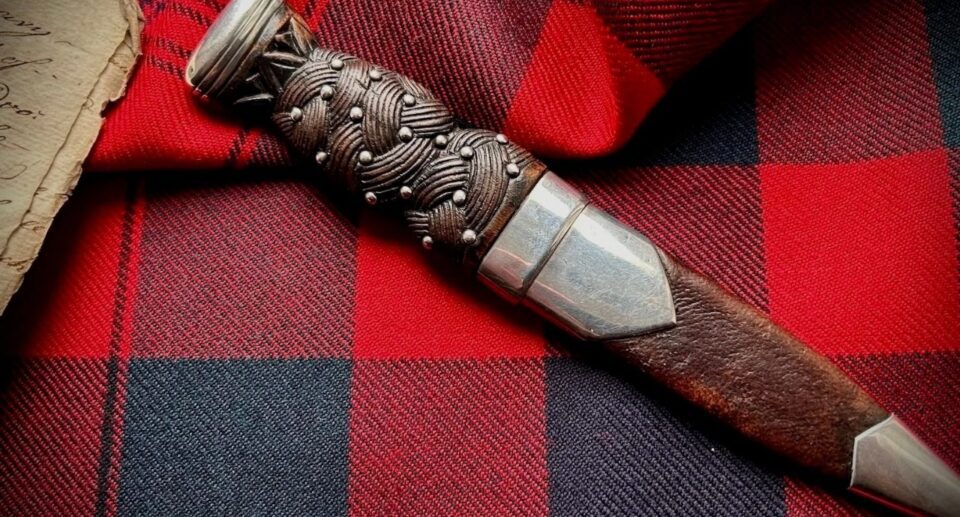
The Sgian Dubh may be small, but it holds a profound place in Highland identity. This compact knife, tucked neatly into the kilt hose, is more than decoration. It speaks of trust, social custom, and the enduring pride of Scotland’s clans. When we explore the Sgian Dubh, we walk the line between tradition and practicality between a Highlander’s past and the cultural legacy carried into the present.
Where the Sgian Dubh Comes From
The history of the Sgian Dubh begins with its name: sgian meaning “knife” and dubh meaning “black.” Scholars propose two main interpretations. The “black” could refer to its dark handle, often carved from horn or bog oak, or it could hint at its once-concealed nature.
Highlanders traditionally carried multiple knives, including a concealed blade known as the sgian achlais (armpit knife). When entering someone’s home, Highland etiquette required that visitors place their visible weapons aside. However, a small knife — for eating, cutting, or simple tasks — remained with the guest. Over time, people began wearing it openly in the hose as a gesture of trust. That practice gave rise to the modern Sgian Dubh.
If you enjoy exploring Scotland’s deep historical layers, you may also like reading about Scottish Clans and their diverse traditions.
The Craftsmanship Behind the Knife
Early Sgian Dubhs were simple and practical. Handles were made from local materials — wood, antler, birch, or horn. Blades varied based on a maker’s skill and the region’s available metalwork traditions.
Today’s versions often feature:
- Carved wooden or resin handles
- Celtic knotwork or clan crests
- Decorative metal caps
- Stainless steel blades for everyday wear

Despite its decorative look, the Sgian Dubh continues to represent a tool rather than a weapon. Its function aligns with the resourcefulness seen in other Highland items, much like the Dirk knife, the Sgian Dubh’s longer cousin.
Symbolism: What the Sgian Dubh Represents
The knife carries meanings that reach well beyond its size:
1. Trust
Wearing the Sgian Dubh openly signals goodwill. It is a symbolic reminder that the Highlander comes in peace.
2. Clan Identity
Many modern knives display clan badges, turning the Sgian Dubh into a marker of belonging. This sense of identity ties closely to Scotland’s long history of kinship and loyalty.
3. Cultural Continuity
From weddings to Highland Games, the Sgian Dubh stands as a quiet link to the past, one carried proudly through generations.
To explore more symbols of ancient heritage, see our article on Celtic Stone Carvings.
How the Sgian Dubh Fits into Modern Highland Dress
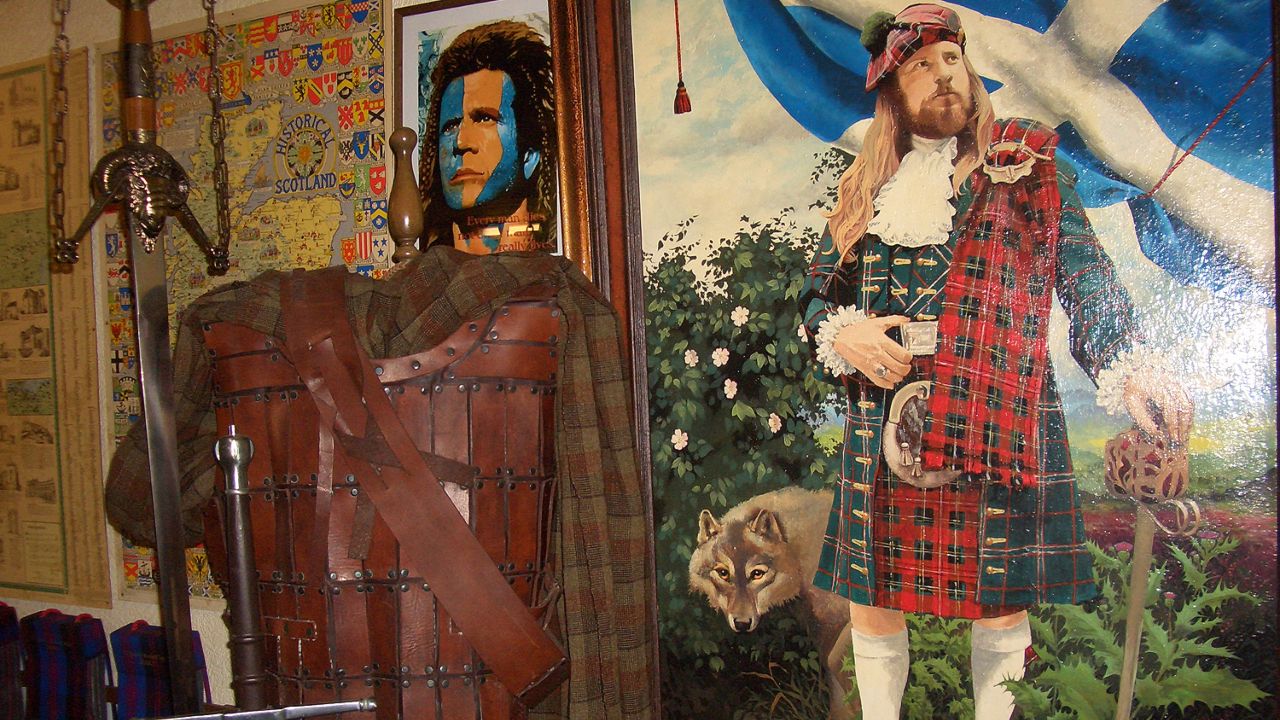
Though rooted in history, the Sgian Dubh thrives in modern Scottish culture. It completes the kilt outfit at weddings, ceilidhs, cultural festivals, and academic ceremonies.

A few guidelines shape its placement and meaning today:
- Traditionally worn on the right leg, unless the wearer is left-handed.
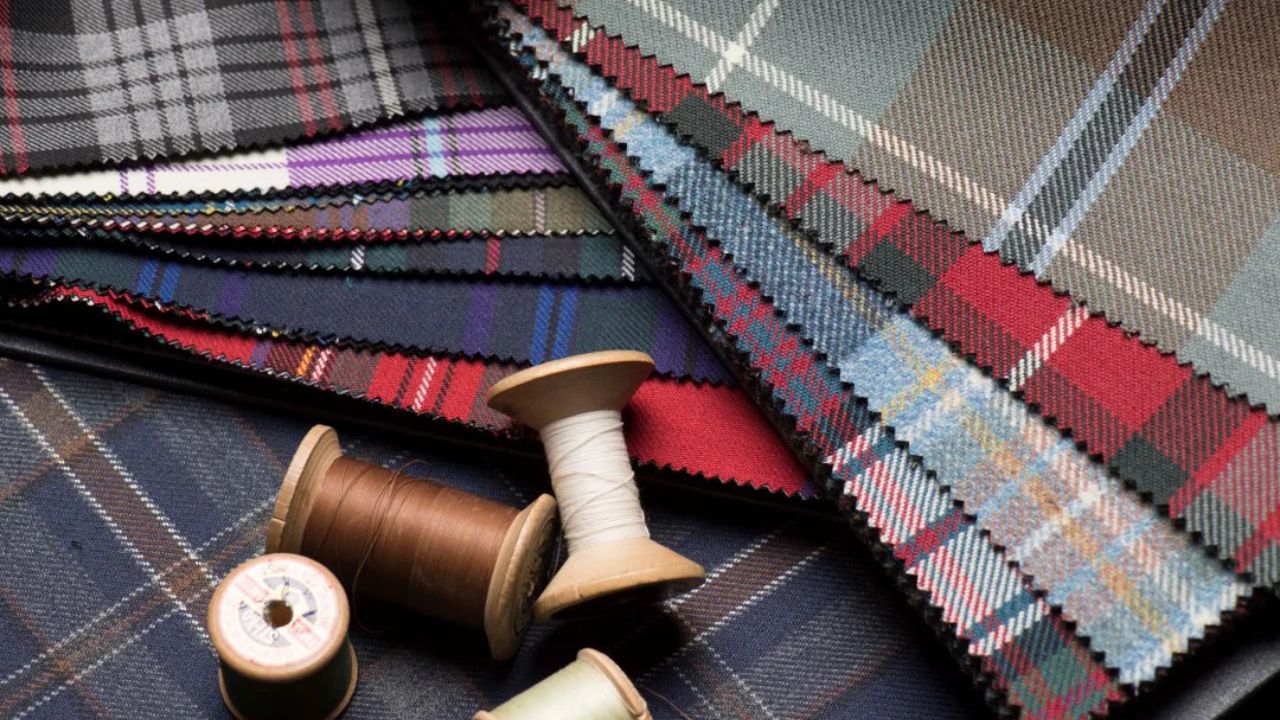
- Often matches the kilt’s tartan or the theme of the outfit.
- Considered an essential accessory, much like the tartan sash discussed in How to Wear a Tartan Sash.
The Sgian Dubh appears decorative, yet it reflects centuries of tradition woven into Highland dress.
The Sgian Dubh in a Modern World
International interest in Scottish culture has grown, partly thanks to global fascination with kilts, Highland Games, and Celtic storytelling. As people search for authentic pieces of Scotland, the Sgian Dubh finds new audiences — collectors, reenactors, and those celebrating their ancestry.
Its design evolves, yet it keeps its symbolic weight. Even in contemporary ceremonies, it reminds wearers of a cultural landscape shaped by resilience, artistry, and kinship.
For readers exploring Scottish travel and landscape traditions, Isle of Mull offers another beautiful connection to Highland identity.
Conclusion: A Small Knife With a Large Legacy
The Sgian Dubh tells a story of trust, identity, and the enduring strength of Highland culture. It may be the smallest part of Highland dress, but its meaning runs deep. Whether worn at a wedding, displayed in a collection, or passed through a family line, the Sgian Dubh remains a powerful emblem of Scotland’s heritage.
To continue exploring Scotland’s cultural roots, visit our CeltGuide Blog for more.