
🌿 Irish Mythology: Gods, Heroes, and Legends That Shaped a Nation

Introduction: Where History Meets Legend
Irish mythology is more than a collection of old stories—it is the soul of Ireland. From gods who command the sun to shape-shifting beings of the sea, these myths are not only entertainment but also keys to understanding Irish culture, spirituality, and worldview.
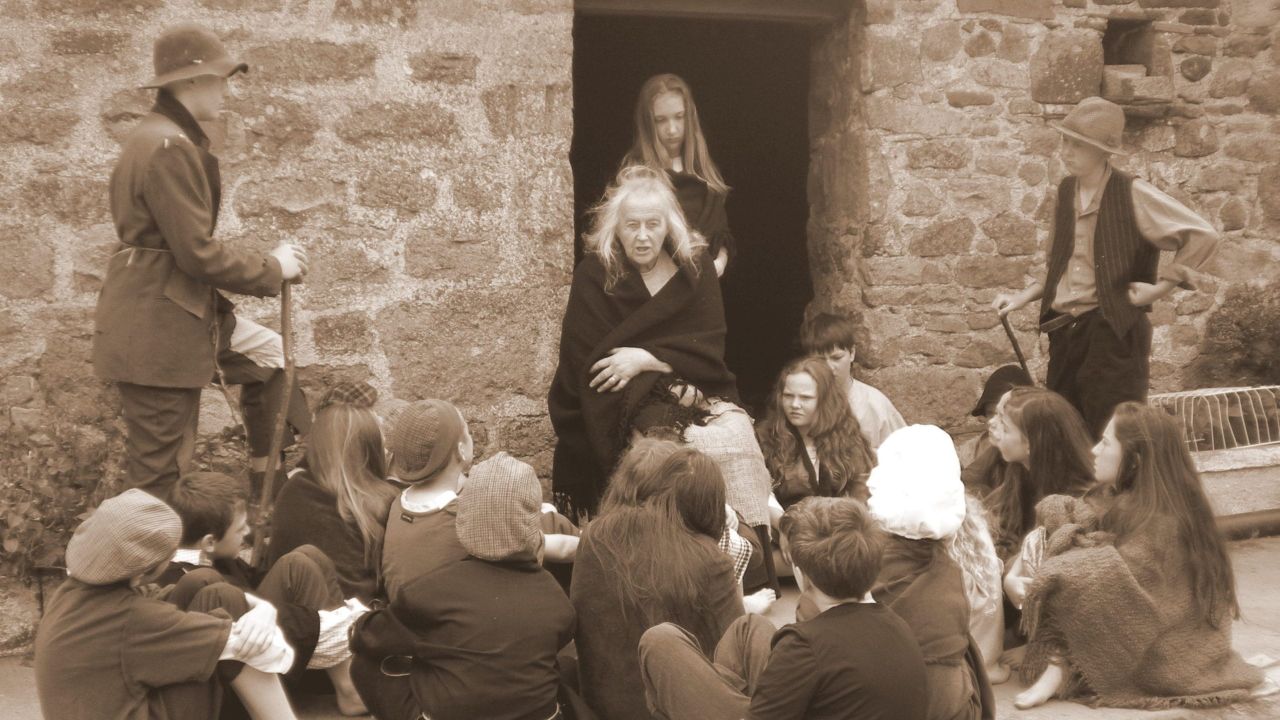
Like the Irish gift of storytelling (read more here), mythology has been passed down through generations, blending history and imagination into a living tradition.
The Four Cycles of Irish Mythology
Scholars often divide Irish mythology into four cycles, each filled with distinct characters and themes:
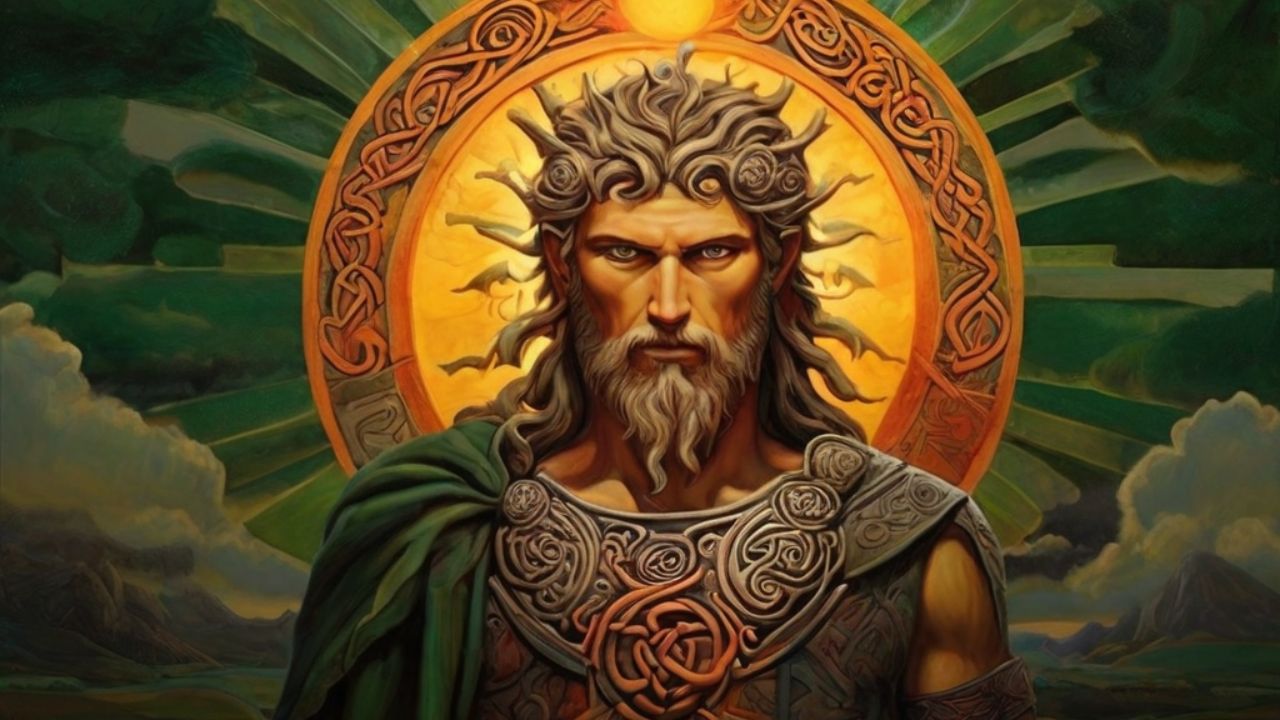
- The Mythological Cycle – Tales of divine beings like the Tuatha Dé Danann, including the sun god Lugh and the powerful Dagda.
- The Ulster Cycle – Heroic sagas featuring Cú Chulainn, Ireland’s legendary warrior.
- The Fenian Cycle – Romantic adventures of Fionn mac Cumhaill and the Fianna.
- The Historical Cycle – Semi-legendary stories of Ireland’s kings, bridging myth and recorded history.

Gods and Goddesses of Ireland
Irish mythology is richly populated with deities who embody nature, wisdom, and warfare:
- The Dagda – Known as the “Good God,” associated with fertility, agriculture, and wisdom. Learn more in our piece on the Cauldron of Dagda.
- Lugh – A radiant warrior and craftsman, celebrated in festivals like Lughnasadh.
- Morrígan – A goddess of fate and battle, often depicted as a crow over battlefields.
- Brigid – Associated with poetry, healing, and smithcraft, later adopted into Christian tradition as Saint Brigid.

Heroes, Warriors, and Legendary Tales
While gods shaped the cosmos, heroes shaped Ireland’s cultural imagination.
- Cú Chulainn – Famous for his superhuman strength and tragic destiny.
- Fionn mac Cumhaill – Leader of the Fianna, often tied to magical wisdom and adventure.
- The Children of Lir – A tragic tale of transformation, where siblings are turned into swans for centuries.
These stories resonate with themes of loyalty, sacrifice, and fate—echoing the same cultural resilience seen in events like the Irish Potato Famine.

Mythology and the Irish Landscape
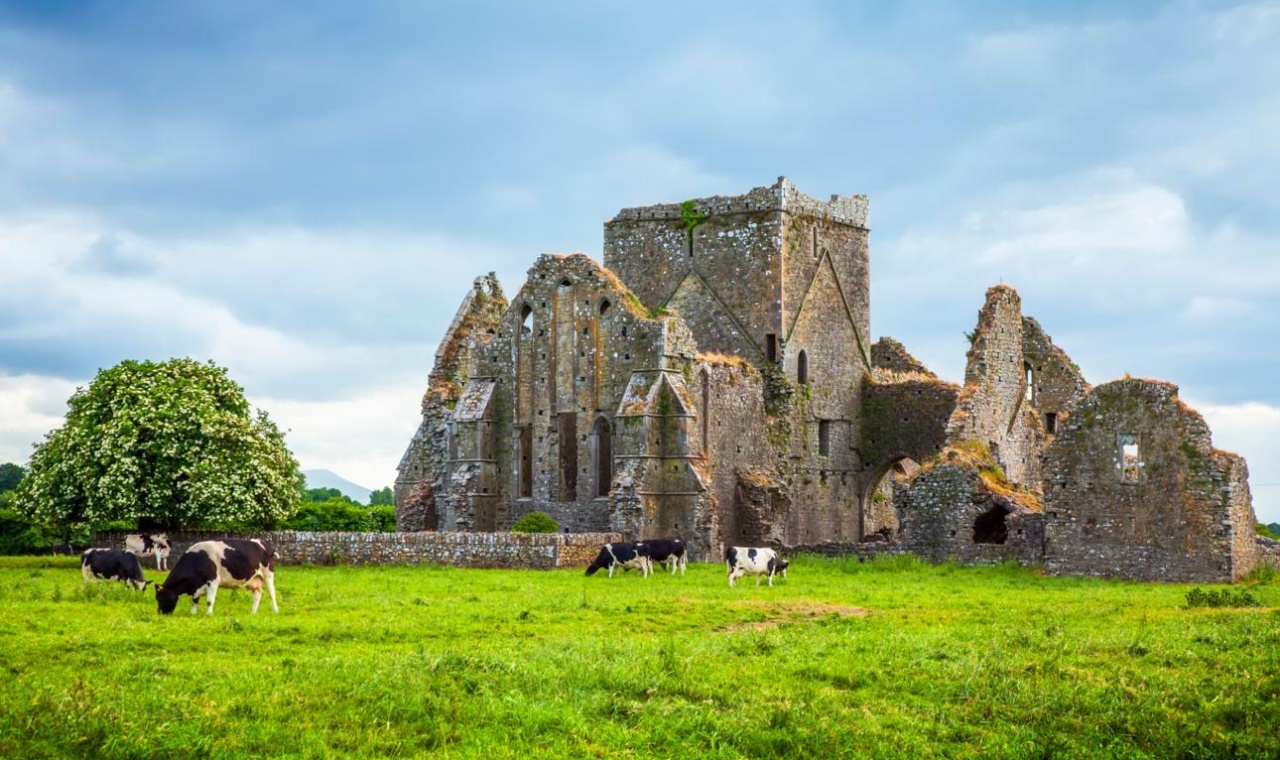
Irish myths are not just abstract stories—they are tied to real landscapes. Sacred sites like the Hill of Tara were believed to be gateways to the divine, while Irish holy wells remain pilgrimage spots with mythological roots.
Much like the mystical Fairy Glen, these places blur the line between myth and reality, inviting travelers to walk in the footsteps of legends.

Why Irish Mythology Still Matters
Far from being “just old stories,” Irish mythology continues to inspire:
- Literature – Writers like W.B. Yeats and James Joyce drew on mythological imagery.
- Music & Oral Tradition – Echoed in fiddle music and céilí bands.
- Cultural Identity – Myths preserve a worldview where nature, spirit, and humanity are interconnected.
Like Gaelic proverbs, these myths encode ancestral wisdom in poetic form.
Conclusion: Legends That Live On
Irish mythology is not a relic of the past—it is a living heritage, shaping how Ireland sees itself and how the world perceives Irish culture. From gods and heroes to sacred landscapes, these myths continue to whisper through Ireland’s hills, wells, and forests.
👉 For more stories of Celtic gods, folklore, and tradition, explore our Mythology & Folklore section.