The Legend of the Stone Circles of Callanish
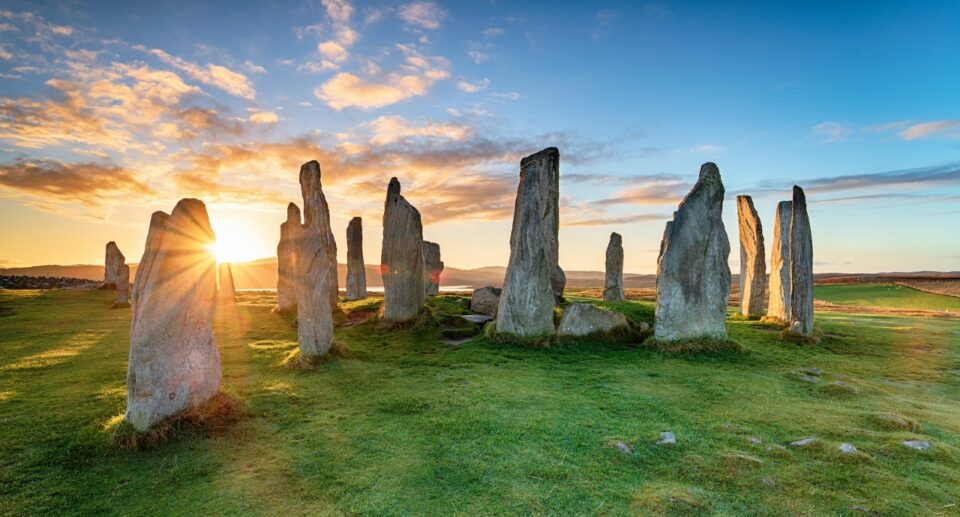
On the Isle of Lewis, where land meets Atlantic sky, the Stone Circles of Callanish rise with quiet authority. These stones do not announce themselves loudly. They wait. For centuries, they have invited questions rather than answers.
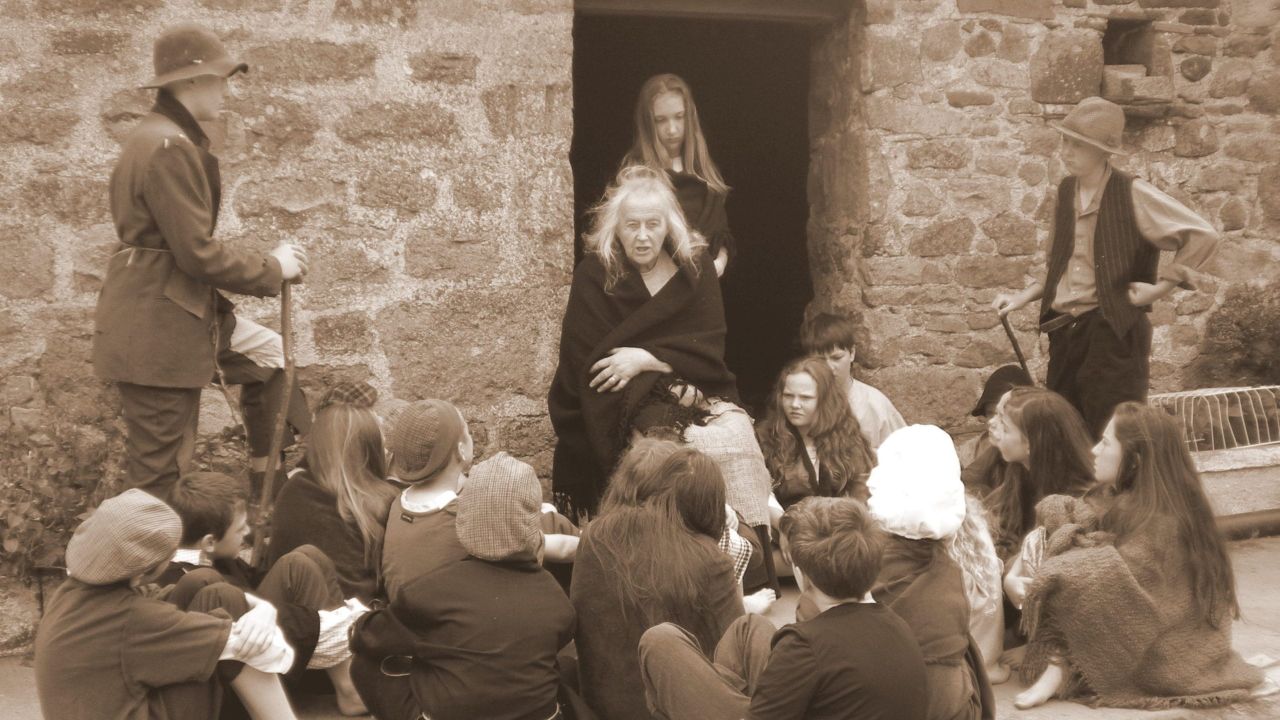
Unlike many prehistoric sites, Callanish feels alive. The wind moves between the stones. Light shifts across their surfaces. Visitors sense meaning even before understanding it. This response reflects a deeper Celtic relationship with place and story, explored in Why Are Irish People Natural Storytellers?.
What Are the Callanish Stones?
The Callanish complex dates to around 3000 BCE, making it older than Stonehenge. The main circle includes a central monolith, surrounded by radiating lines of standing stones that form a cruciform shape.
Archaeologists link the site to ceremonial use rather than settlement. The stones align with lunar and solar cycles, suggesting a sophisticated understanding of time and cosmos. These builders shaped stone with intention, much like the artisans discussed in Celtic Stone Carvings.
The Giants Turned to Stone
Local legend offers a more poetic explanation. Folklore tells of giants who refused to convert to Christianity. As punishment, they turned to stone and now stand frozen in eternal watch.
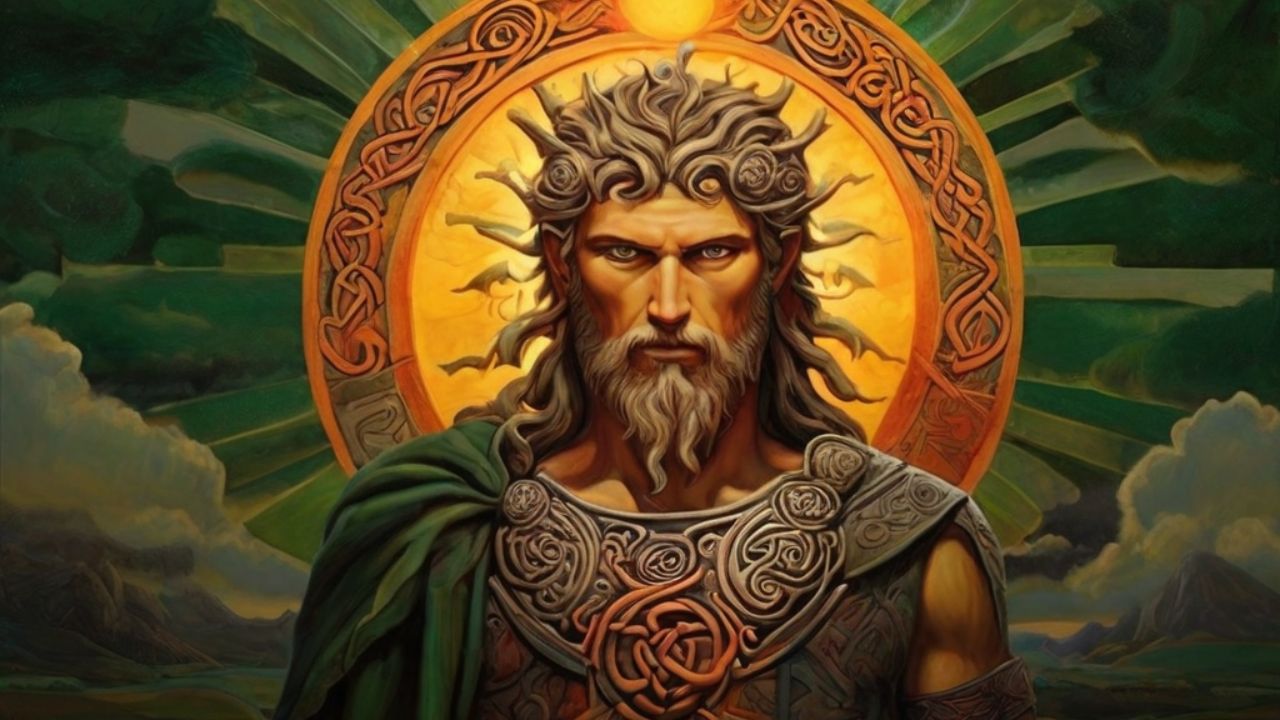
This myth reflects a familiar Celtic theme: the tension between old belief systems and new faith. Similar symbolic transitions appear in myths connected to divine figures like Lugh, the Celtic Sun God.
Rather than dismiss these stories, scholars treat them as cultural memory. They encode belief, fear, and identity in narrative form.
Callanish and the Sky
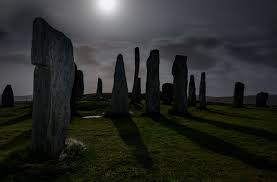
The stones do not stand randomly. Researchers note strong lunar alignments, especially during major moon cycles. The moon appears to “roll” along nearby hills before setting, an effect both visual and symbolic.
Such observations place Callanish among sacred landscape sites, comparable to Ireland’s Hill of Tara. Both locations blend astronomy, ritual, and authority into a unified space.
The builders observed the heavens and marked time through stone. That achievement demands respect, not speculation alone.
Ritual, Community, and Memory
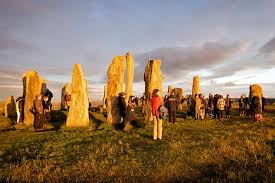
Excavations reveal evidence of fire, feasting, and gathering. These clues suggest communal rituals rather than solitary worship. Callanish likely hosted seasonal ceremonies that reinforced social bonds.
Music may have accompanied such events. Rhythmic instruments like the bodhrán drum later became central to Celtic expression, reinforcing rhythm, memory, and shared experience.
In this way, Callanish represents community as much as spirituality.
Why Callanish Still Matters
Modern visitors do not come seeking proof. They come seeking connection. Callanish offers a rare continuity between past and present, myth and observation.
The stones remind us that ancient societies engaged deeply with landscape, time, and meaning. That worldview still resonates, especially within Celtic storytelling traditions explored in What Is Annwn?.
Callanish does not explain itself. It invites reflection.
A Living Legend
The Stone Circles of Callanish endure because they balance fact and folklore without conflict. Science explains their construction. Story preserves their spirit.
For more explorations of Celtic myth, sacred landscapes, and cultural memory, visit the CeltGuide Blog.