
The Irish Linen Industry: Craft, History, and Legacy

The Irish linen industry stands as one of Ireland’s most influential cultural and economic achievements. For centuries, linen shaped rural life, trade networks, and global perceptions of Irish craftsmanship. More than a textile, Irish linen reflects skill, resilience, and identity woven into fabric.
Origins of Linen Making in Ireland
Linen production in Ireland began in earnest during the early modern period. The island’s cool, damp climate suited flax cultivation perfectly. Communities across Ulster, in particular, developed strong local economies around growing, spinning, and weaving flax.
Knowledge passed orally through families, much like Irish storytelling traditions, where skill and memory move from one generation to the next (https://celtguide.com/why-are-irish-people-natural-storytellers/). Linen making became both livelihood and heritage.
The Rise of Ulster Linen
By the eighteenth century, Ulster emerged as the heart of the Irish linen industry. Towns such as Belfast transformed into major industrial centers. Linen exports reached Europe, the Americas, and beyond.
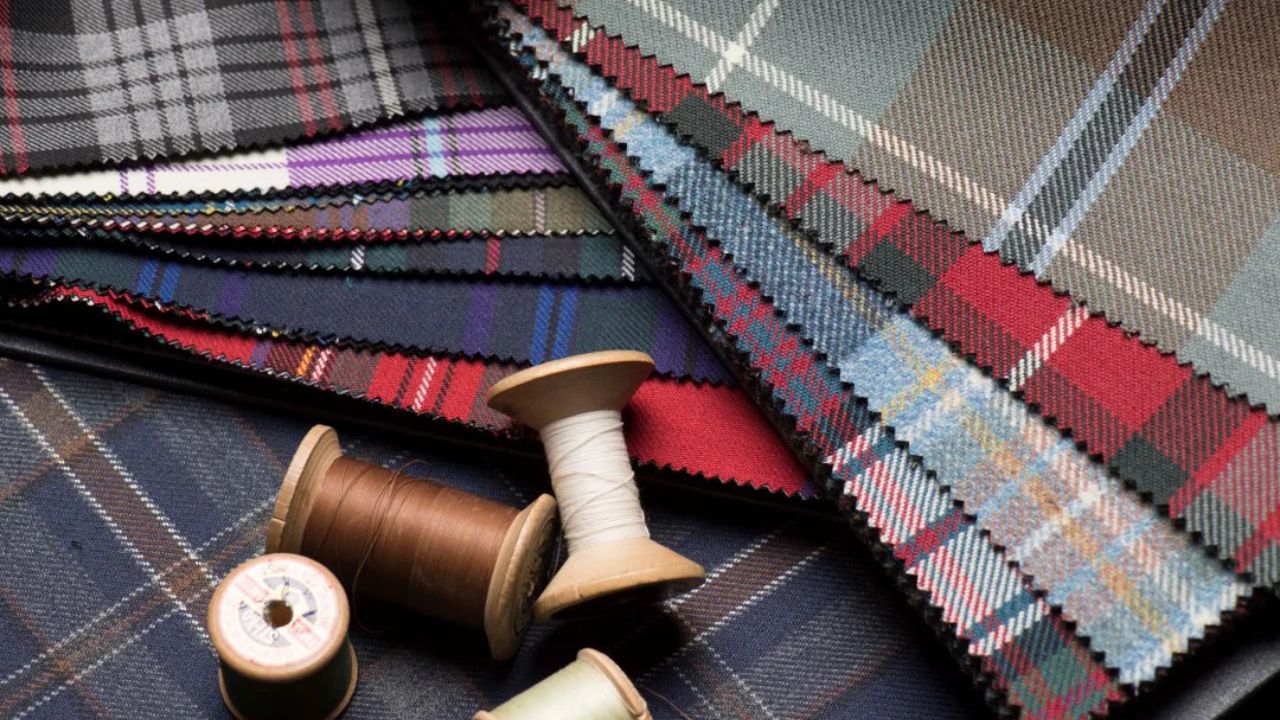
Irish linen gained a reputation for strength, smoothness, and durability. These qualities set it apart from other textiles. Just as tartan patterns evolved over time while preserving identity (https://celtguide.com/how-long-has-the-tartan-prints-been-around/), linen adapted to markets without losing its core character.
Linen, Labour, and Rural Life
Linen production relied on widespread domestic labor. Families worked together. Women spun thread. Men wove cloth. Children assisted at every stage. This shared labor shaped rural rhythms and social structures.
However, hardship followed prosperity. The Irish Potato Famine disrupted agricultural systems and rural economies. Linen remained vital, yet the industry could not fully shield communities from suffering during this period (https://celtguide.com/the-influence-of-the-irish-potato-famine/).
Craftsmanship and Technique
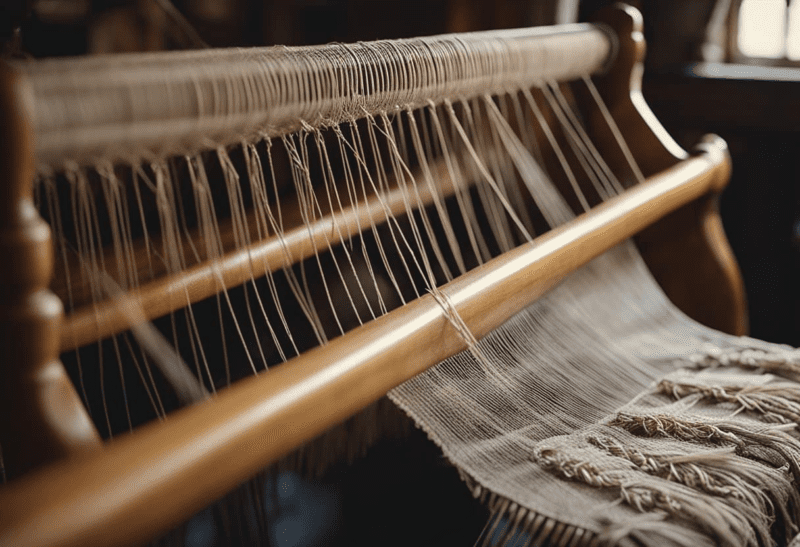
Irish linen demands precision. The process begins with flax harvesting, followed by retting, scutching, spinning, and weaving. Each step requires care. Mistakes weaken the cloth.
This respect for craft echoes other Irish material traditions, such as the symbolism carved into ancient stone monuments (https://celtguide.com/celtic-stone-carvings/). In both cases, skill and meaning combine through patient work.
Cultural Significance of Irish Linen
Irish linen moved beyond utility. It appeared in household goods, ecclesiastical garments, and ceremonial dress. Churches valued linen for altar cloths. Families treasured it for heirloom bedding and clothing.
The textile also travelled with emigrants. Linen goods carried memories of home, much like Irish names and traditions preserved identity abroad (https://celtguide.com/famous-irish-names-and-their-meanings/).
Global Reputation and Trade
By the nineteenth century, Irish linen dominated global markets. Merchants prized it for reliability. Fashion houses valued its refined texture. Sailmakers and industries relied on its strength.
This international reach mirrors how other Irish cultural expressions, such as music and instruments like the fiddle, crossed borders while remaining recognizably Irish (https://celtguide.com/fiddle-music/).
Decline and Modern Revival
Industrial competition and synthetic fabrics led to decline in the twentieth century. Many mills closed. Skills risked disappearance.
Yet revival followed. Today, Irish linen holds protected status. Designers and heritage producers emphasize sustainability, quality, and authenticity. The fabric now represents slow craft in a fast world, aligning with renewed interest in cultural heritage and traditional practices.
Why the Irish Linen Industry Still Matters
The Irish linen industry endures because it connects land, labor, and legacy. It tells a story of adaptation without erasure. Each thread carries history shaped by climate, community, and craft.
In Ireland, cloth does not merely cover. It remembers.