The Grey Man of Ben MacDhui: Scotland’s Mountain Giant
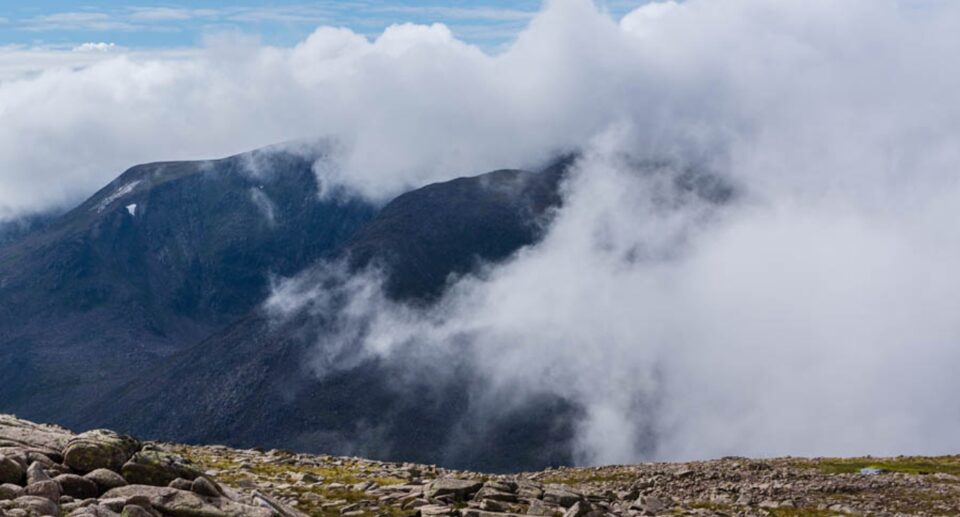
High in the Cairngorm Mountains, where mist swallows sound and scale, a presence lingers. Locals call it Am Fear Liath Mòr, the Grey Man of Ben MacDhui. This towering figure stands among Scotland’s most unsettling legends. Unlike fairies or selkies, the Grey Man does not charm. He overwhelms.
Who Is the Grey Man of Ben MacDhui?
The Grey Man of Ben MacDhui appears as a huge shadowy figure. Witnesses describe long limbs, heavy footsteps, and an intense feeling of dread. He rarely shows a face. Instead, he announces himself through sound and pressure.
Mountaineers often report panic without visible cause. Some flee the mountain in terror. Others freeze, convinced something watches them.
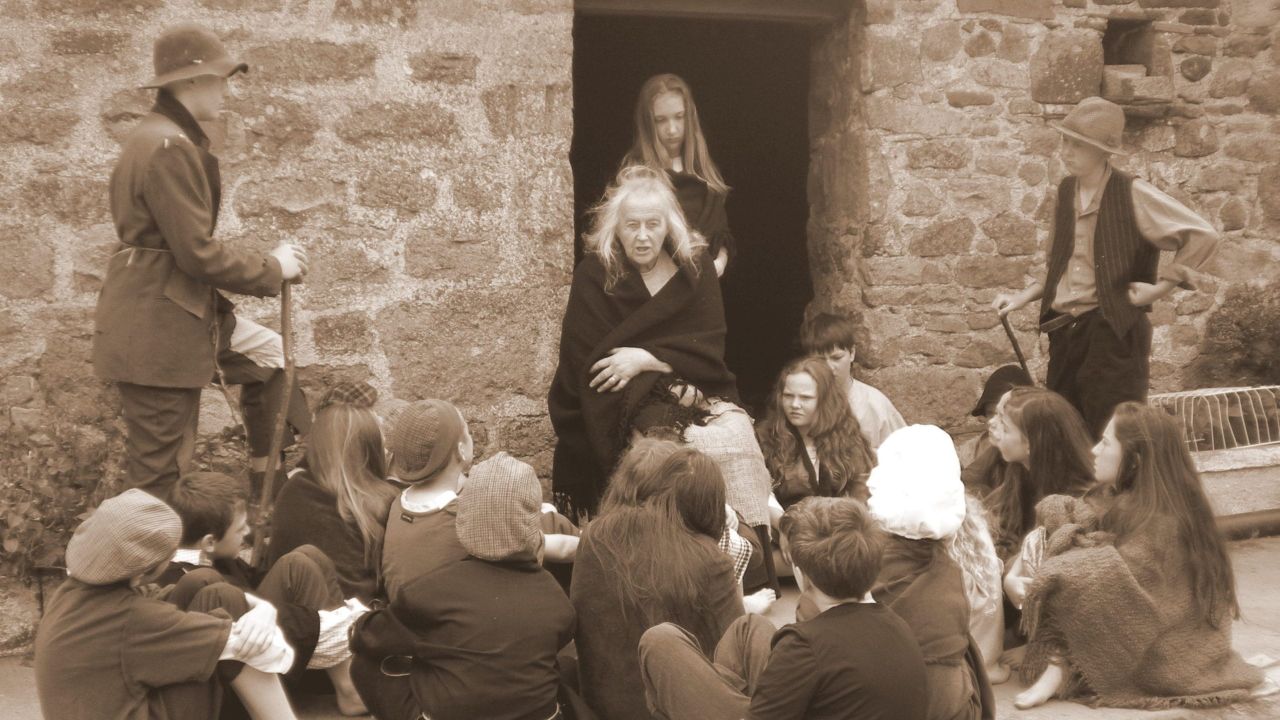
Scottish folklore thrives on oral memory, much like Irish storytelling traditions, where fear and meaning travel through spoken experience rather than written record (https://celtguide.com/why-are-irish-people-natural-storytellers/).
Ben MacDhui and the Power of Place
Ben MacDhui rises as the second-highest peak in Britain. Its plateau feels vast and disorienting. Fog rolls in quickly. Sound travels strangely. These features shape the legend.
Scottish landscapes often blur the boundary between physical and mythic worlds. The same effect appears in places like the Fairy Glen, where terrain invites supernatural interpretation (https://celtguide.com/legend-of-the-fairy-glen/).
In Gaelic culture, land holds memory. Mountains do not simply exist. They observe.
Early Accounts and Famous Encounters
One of the most cited encounters came from Professor Norman Collie in the late nineteenth century. While descending Ben MacDhui, he heard footsteps behind him. Each step sounded heavier than his own. Fear overcame reason. He fled.
Such accounts echo across decades. Climbers, soldiers, and hikers describe similar sensations. None agree on details. All agree on terror.
Scottish folklore often embraces ambiguity. This pattern mirrors other mythic beings that resist clear definition, such as the selkies who shift between worlds (https://celtguide.com/selkies-in-folklore/).
Folklore or Natural Phenomenon?
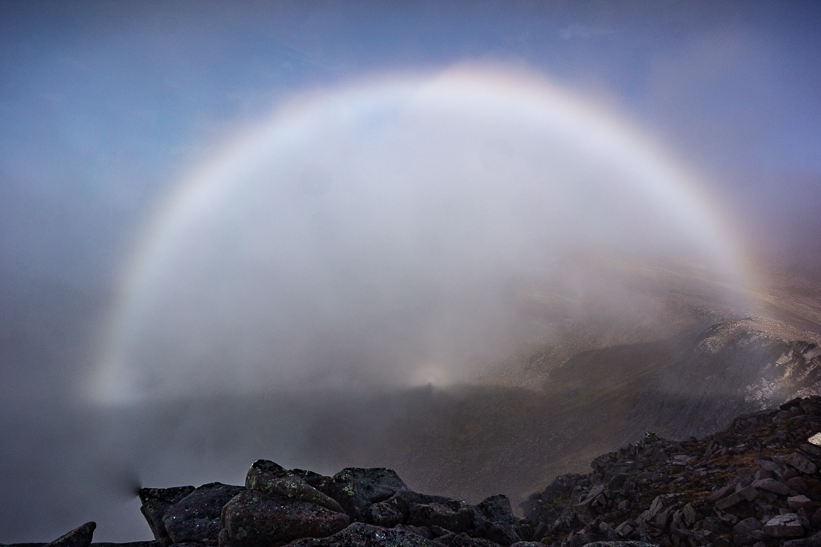
Some scholars propose natural explanations. The Brocken spectre, an optical illusion, can project enlarged human shadows onto mist. Wind, silence, and altitude can also distort perception.
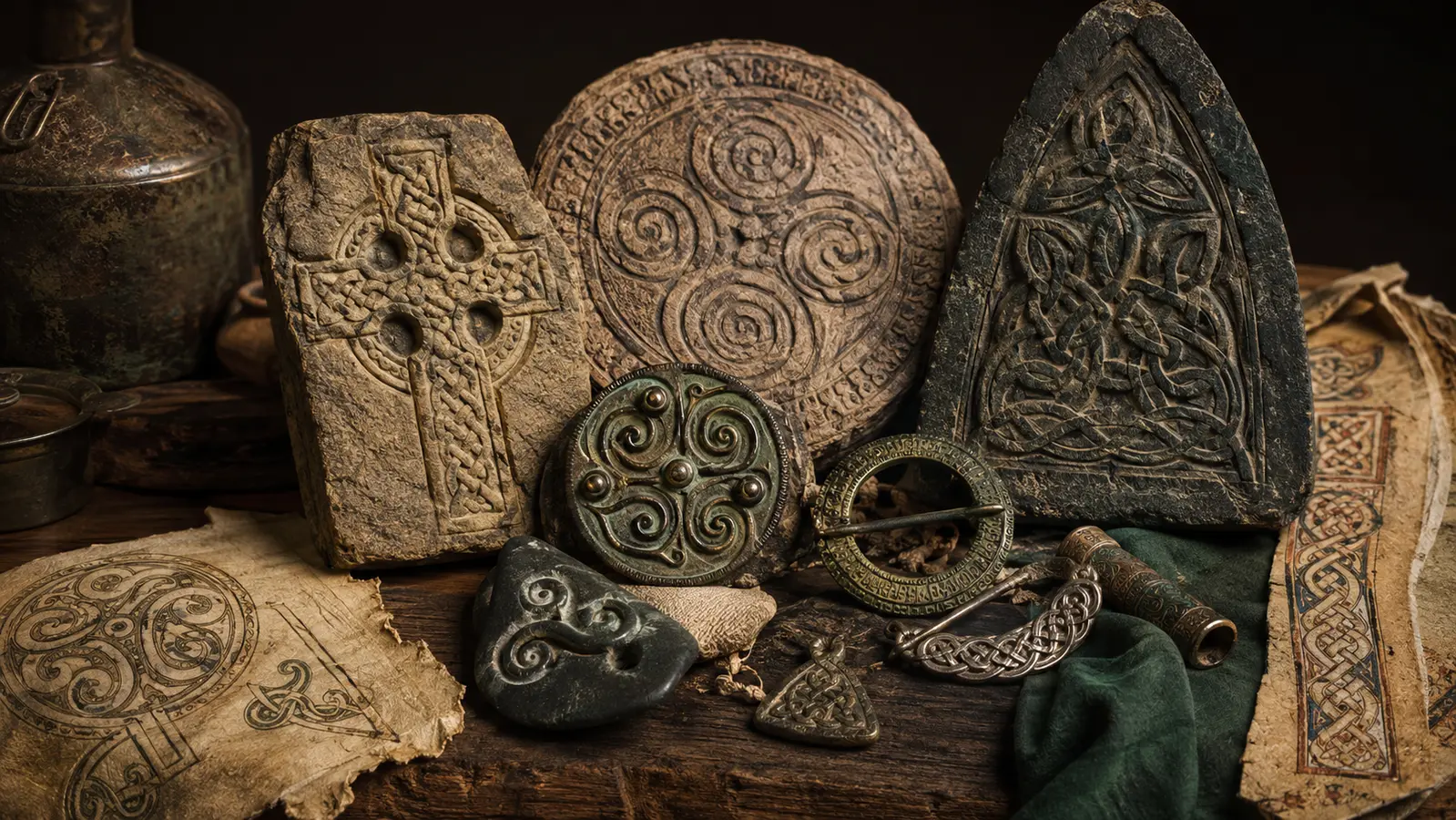
Yet folklore does not vanish under rational light. In Celtic tradition, explanation and belief often coexist. Ancient stone carvings also defy single meanings, serving both ritual and record (https://celtguide.com/celtic-stone-carvings/).
The Grey Man persists because experience feels real, even when causes remain uncertain.
Am Fear Liath Mòr in Gaelic Tradition
The name Am Fear Liath Mòr translates to “The Big Grey Man.” Gaelic naming rarely lacks intention. Grey suggests age, mist, and liminality. The figure belongs neither to day nor night.
Gaelic language preserves worldview. Its spiritual weight appears in religious texts and folklore alike, as seen in historic Gaelic translations of sacred works (https://celtguide.com/scottish-gaelic-bible-translations/).
In this worldview, the Grey Man becomes a guardian or warning rather than a monster.
Comparison with Other Celtic Otherworld Beings
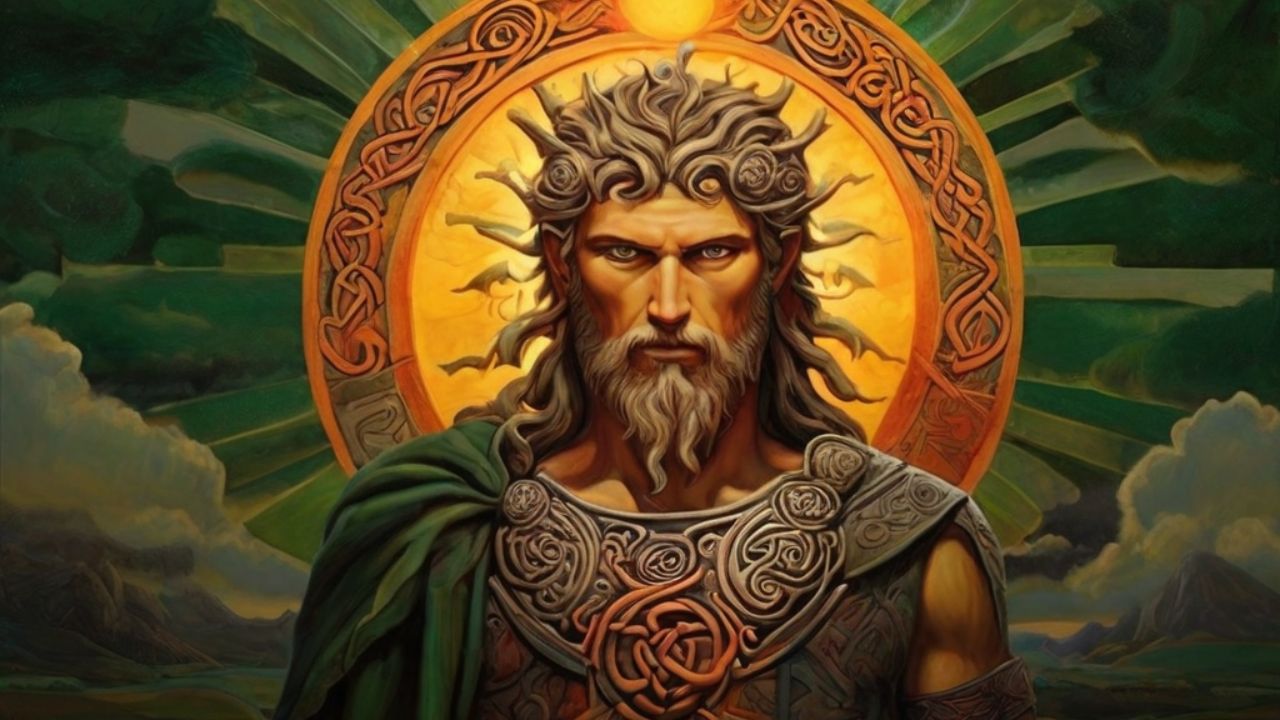
Unlike gods such as Lugh, who represent skill and light (https://celtguide.com/celtic-sun-god-lugh/), the Grey Man embodies isolation and humility. He reminds humans of their smallness.
He also differs from creatures tied to water or forest. The Grey Man belongs to height, exposure, and silence. He emerges where survival feels fragile.
Cultural Legacy and Modern Relevance
The Grey Man of Ben MacDhui continues to influence modern storytelling. Writers, hikers, and filmmakers reference him as a symbol of mountain fear. Highland Games and cultural festivals still celebrate folklore as living tradition (https://celtguide.com/events-to-watch-in-highland-games-2025/).
In an age of technology, the legend endures because it resists control. The mountain does not explain itself.
Why the Grey Man Still Matters
The Grey Man of Ben MacDhui survives because he expresses something universal. Humans fear the unknown, especially when nature dwarfs certainty. This legend teaches respect for landscape, silence, and limits.
In Scottish folklore, the mountain does not threaten. It reminds.