The Irish Fir Bolg: An Ancient Race of Myth and Mystery
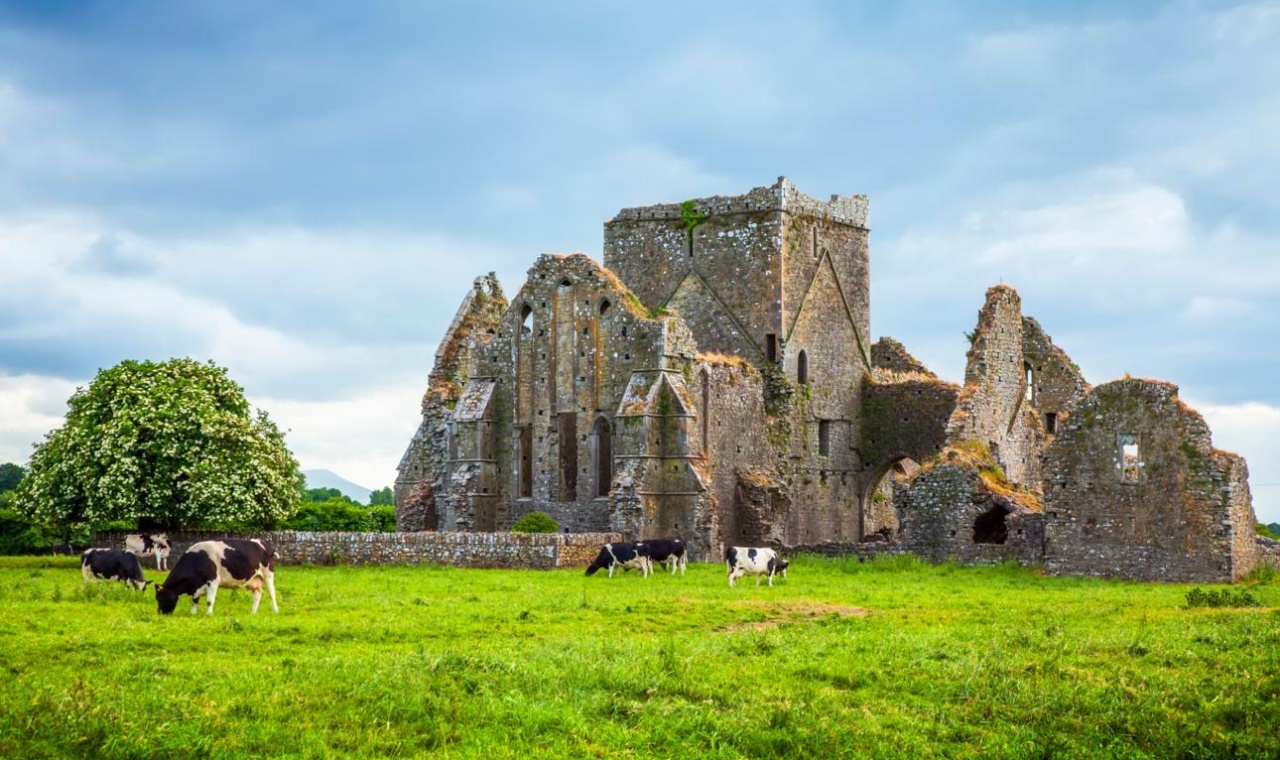
Ireland’s mythic past is filled with fascinating tales of gods, heroes, and ancient tribes. Among them, the Fir Bolg stand as one of the island’s earliest legendary peoples—ancestors who shaped Ireland before the arrival of the gods of light, the Tuatha Dé Danann. Their story is one of struggle, identity, and legacy deeply embedded in Celtic mythology.
Who Were the Fir Bolg?
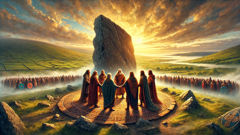
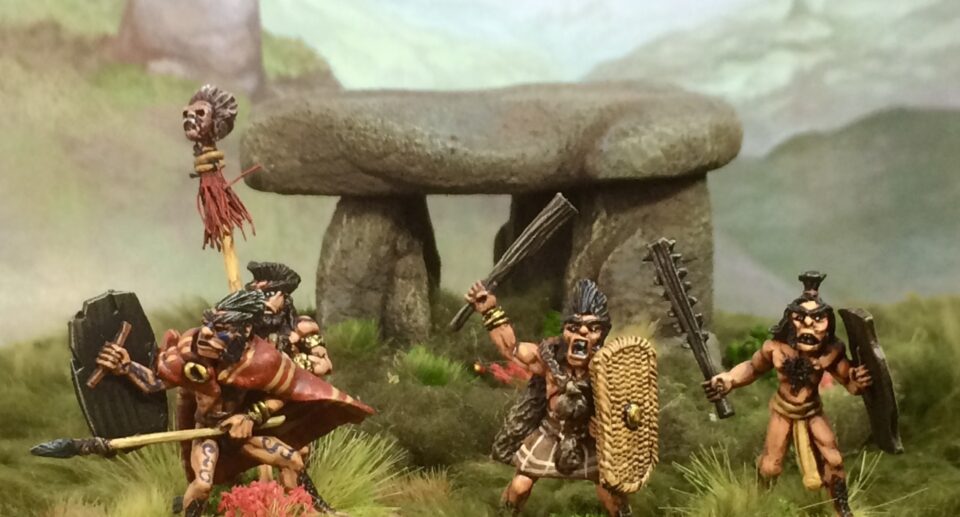
The Fir Bolg are said to be one of the mythical races that settled in Ireland, as described in the Lebor Gabála Érenn—the Book of Invasions, a medieval text recounting Ireland’s mythic history. According to legend, they descended from the earlier settlers who fled Ireland to Greece, where they lived in servitude and carried “bolgs” or sacks of earth. Hence, the name Fir Bolg, meaning “Men of the Bags.”
The Return to Ireland
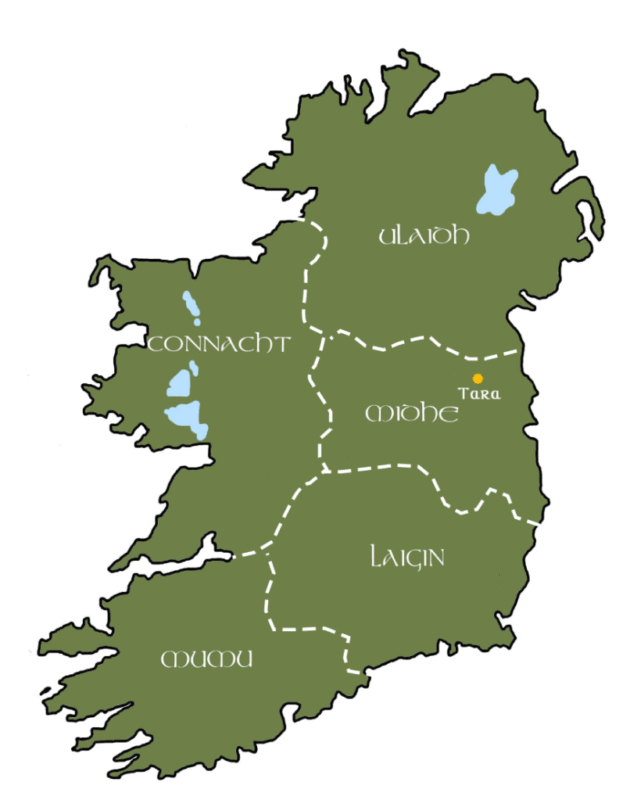
After centuries in exile, the Fir Bolg returned to Ireland and divided the island into five provinces, a structure that echoes faintly in Ireland’s geography even today. They ruled with order and justice under their king, Eochu mac Eirc, marking what Irish tradition remembers as one of the island’s most stable reigns.
Their return signaled more than conquest. It represented restoration and homecoming, a theme echoed in many Celtic stories of exile and belonging. Similar ideas of identity and storytelling appear throughout Irish culture, as explored in our article on Why Irish People Are Natural Storytellers.
The Battle with the Tuatha Dé Danann
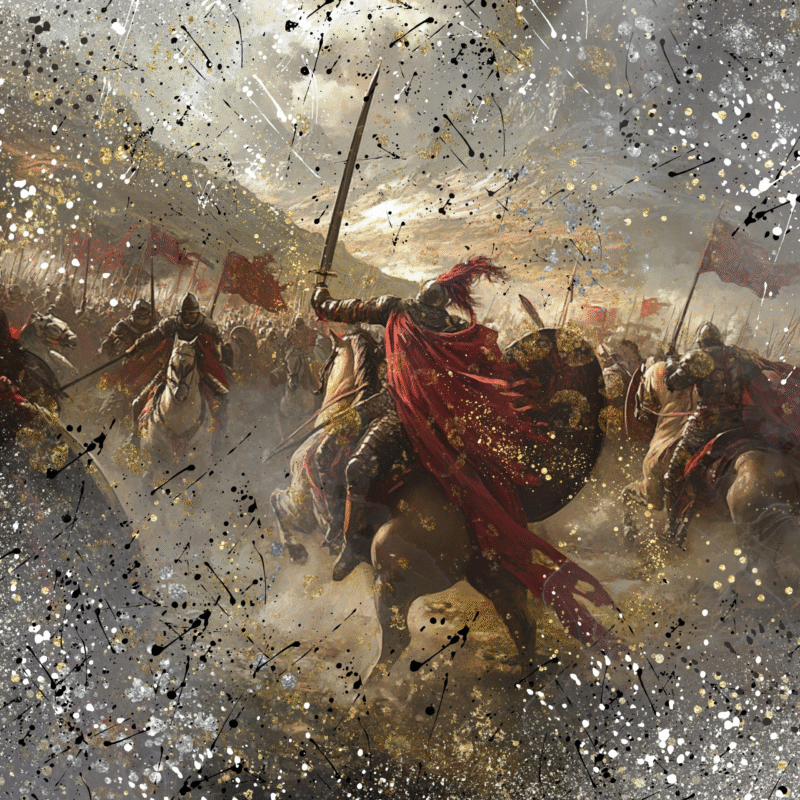
The Fir Bolg’s reign met its end with the arrival of the Tuatha Dé Danann, a godlike race representing wisdom, light, and skill. Their legendary clash, the First Battle of Mag Tuired, became one of the most iconic conflicts in Celtic mythology. Despite being outmatched in magic and power, the Fir Bolg fought bravely and honorably.
The Tuatha Dé Danann, impressed by their courage, allowed them to retain part of Ireland. It symbolize respect among warriors and balance in power, themes that resonate throughout Celtic myth and art.
Cultural Symbolism of the Fir Bolg
In Irish mythology, the Fir Bolg symbolize strength, endurance, and humanity. Unlike the divine Tuatha Dé Danann or the monstrous Fomorians, the Fir Bolg represent the ordinary people. Those who work the land, build kingdoms, and create order out of chaos.
Their story may reflect the experiences of real prehistoric tribes in Ireland, woven into myth through centuries of oral tradition. These narratives continue to echo in Celtic folklore, connecting ancient myths with Ireland’s cultural memory much like the enduring resonance of the Celtic Oak Tree, a symbol of strength and continuity.
Legacy in Modern Culture
Today, the Fir Bolg live on through folklore, literature, and modern retellings. Writers, historians, and fantasy creators often draw inspiration from their story, portraying them as noble ancestors or mysterious warriors. Their legacy weaves into Irish identity, a reminder that myth and history often share the same roots.
If you’re interested in exploring more about Celtic deities and the mythic cycles that followed the Fir Blog. You might enjoy our piece on The Celtic Sun God Lugh and his role in shaping Ireland’s later myths.
Conclusion: The Fir Bolg’s Enduring Echo
The Fir Bolg may have been defeated in myth, but they remain undefeated in memory. They stand as a symbol of the Irish spirit—steadfast, resilient, and deeply tied to the land. Their legacy endures not in temples or thrones. But in the stories passed from one generation to another, stories that shape Ireland’s soul to this day.
For more explorations of Ireland’s mythic past and cultural roots, visit our Mythology & Folklore section or read about the mystical Hill of Tara.