The Myth of the Harp in Celtic Lore
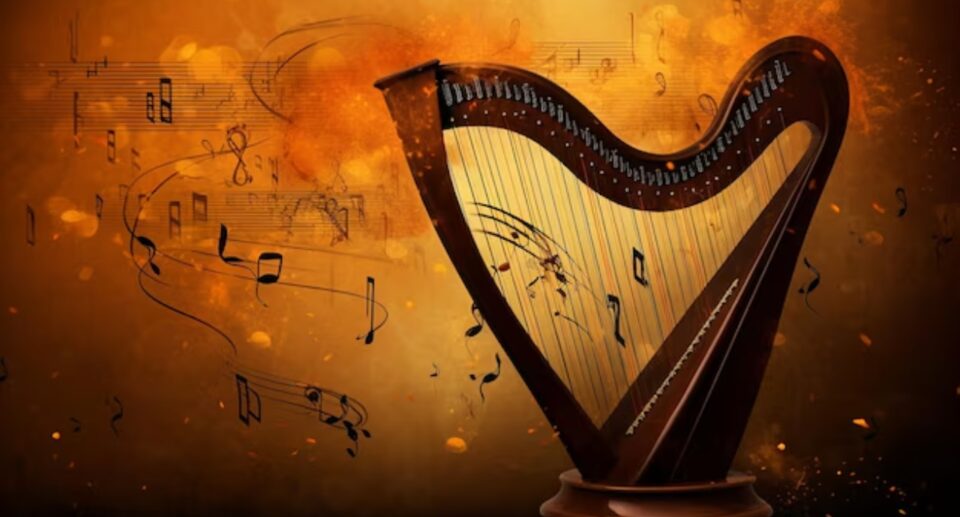
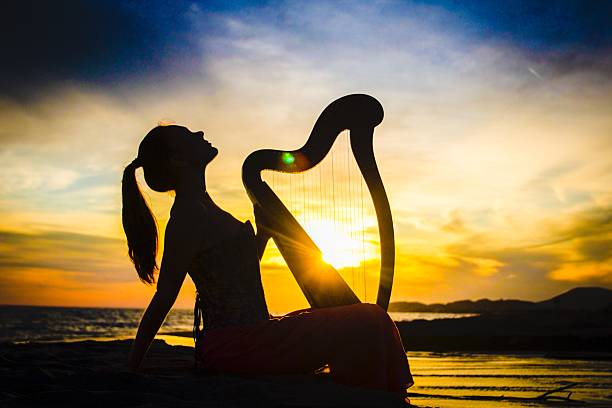
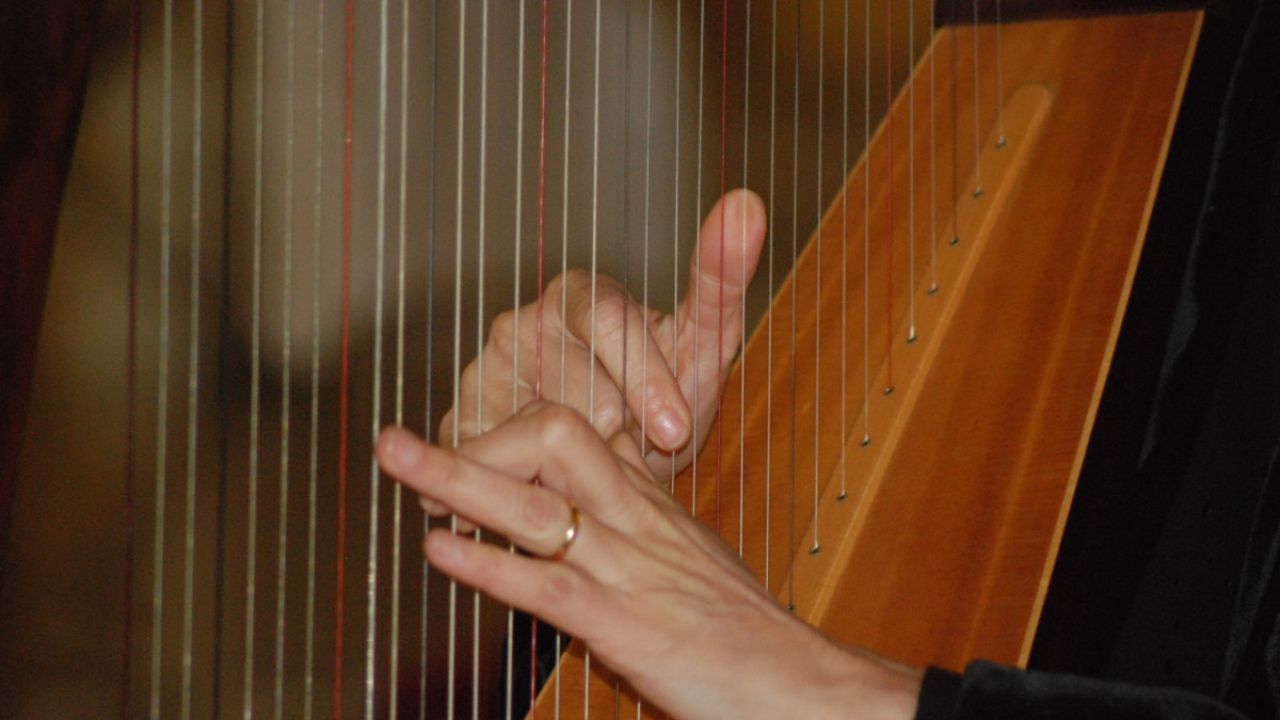
Few symbols in Celtic tradition resonate as deeply as the harp. Beyond its delicate strings lies a story that weaves together myth, spirituality, and identity, from the courts of Irish kings to the songs of Scottish bards. The harp, or Clarsach, was not merely a musical instrument; it was the voice of the Celts, believed to bridge the earthly and the divine.
A Symbol of Harmony Between Worlds
In ancient Celtic mythology, music held a sacred power. The harp embodied this power — it was said to calm warriors, charm gods, and even guide souls to the afterlife. Some tales speak of Dagda’s Harp, a legendary instrument from Irish myth that could control emotions: one melody brought laughter, another tears, and a third sleep.
For more on Dagda’s tale, explore The Cauldron of Dagda, where divine craftsmanship meets mortal fate.
The Harp and Celtic Identity
Over centuries, the harp became a national emblem. In Ireland, it adorned royal seals and later the flags of rebellion and independence. In Scotland, it echoed through the Highlands, played by court bards who preserved clan histories through melody.
You can read more about the harp’s craftsmanship in What is a Clarsach? A Comprehensive Guide to the Celtic Harp, which explores how artisans and musicians kept its spirit alive.
The Harp’s Mythical Power in Celtic Tales
Celtic lore often portrays the harp as a gift of the gods, a magical object that could summon peace in chaos. In one legend, when enemies stole the Dagda’s harp, it returned to him on its own, flying through the air and striking down his foes with sound.
This story illustrates how the Celts saw music as a force of order and balance, a theme that continues in their poetry and oral storytelling traditions. You can explore this connection to narrative tradition in Why Irish People Are Natural Storytellers.
From Myth to Music: The Living Legacy
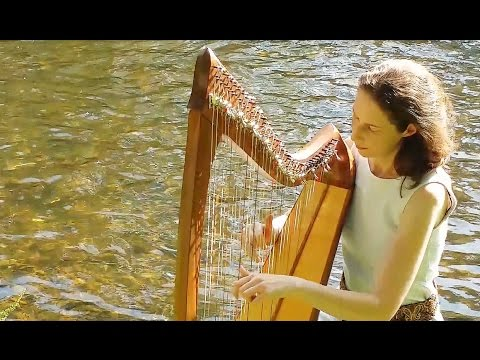
Today, the harp’s echo still lingers across Ireland and Scotland. It graces national emblems, university crests, and modern Celtic music. The Bodhrán Drum and Fiddle Music join the harp in reviving ancient melodies that once filled mead halls and temples.
Modern harpists reinterpret traditional tunes, blending mythic tones with new rhythms, proving that the harp’s story is far from finished.

The Eternal Strings of Celtic Spirit
In the Celtic imagination, the harp was never just about sound. It was about soul, storytelling, and survival. From divine myths to political symbolism, it remains one of the most enduring emblems of Celtic identity — reminding us that art, when rooted in belief, can outlast time itself.
To journey deeper into Celtic heritage, visit CeltGuide’s Mythology & Folklore section, where every legend, like the harp, continues to sing through history.