
The Heather Ale Legend: A Tale of Celtic Resilience
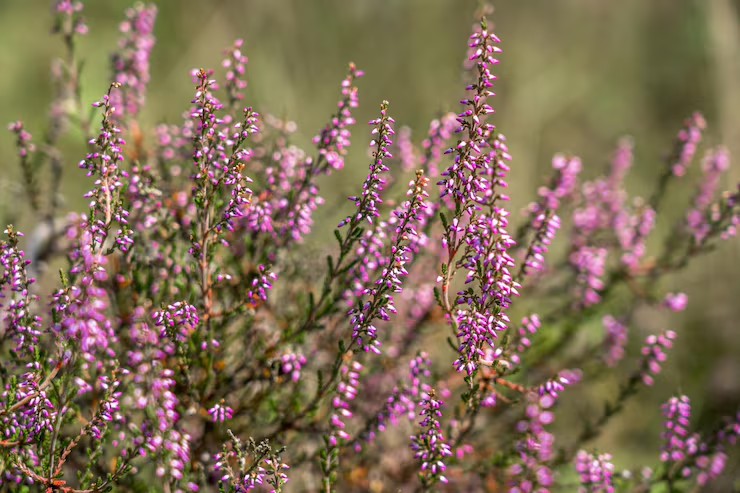
Walk across a Scottish hillside in late summer, and you’ll see purple heather stretching like a soft quilt over the land. Those flowers hold more than beauty. They carry one of Scotland’s most enduring legends, the Heather Ale story.
This tale travels through time, woven into poetry, song, and oral tradition. It feels simple at first, yet it holds layers of meaning about loss, loyalty, and cultural dignity. That depth places it alongside other powerful Celtic myths you’ll find across our site, from the magical landscapes of the Fairy Glen to reflections on why Irish people are natural storytellers.
A Secret Brew and a King Who Refused to Betray It
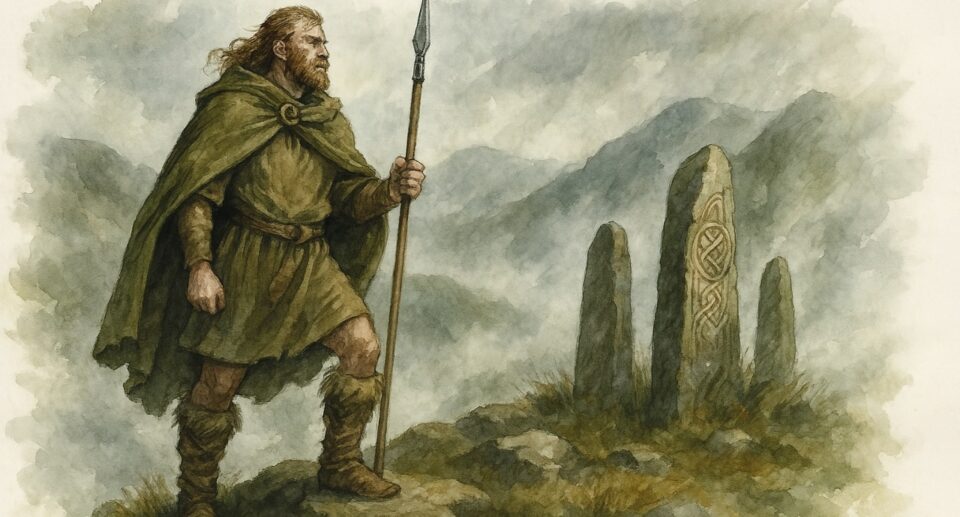
According to tradition, the Picts, one of Scotland’s earliest peoples, guarded a recipe for a remarkable ale brewed from wild heather. The drink was said to be strong, aromatic, and unlike anything else.
When enemies conquered the last Pictish king, they demanded one thing:
Reveal the recipe or die.
The king refused. He chose to protect the secret even at the cost of his life.
It is tempting to read this as a story about beer. But the legend speaks about something far deeper:
heritage cannot always be taken — sometimes, it must be carried into silence.
This theme echoes other traditions where culture survives not through documents, but through song, craft, ritual, and memory much like the stories preserved in Celtic stone carvings and the enduring symbolism of the Claddagh ring.
Why This Story Still Matters
At its core, the Heather Ale legend asks a profound question:
What parts of culture are worth protecting, even when everything else is lost?
The Pictish king becomes a symbol of resistance — not through warfare, but through refusal. He protects knowledge that represents identity. That idea feels especially powerful in Celtic storytelling, where legends often preserve emotional truths when historical records fall silent.
Consider how tartan carries clan memory (explore more in What Is Tartan?), or how landscape itself becomes a guardian of history, as we see in pieces like Isle of Mull. Folklore doesn’t simply entertain — it safeguards belonging.

Was Heather Ale Ever Real?
Scholars still debate whether the ale truly existed. Some historians suggest early brewers used heather as a flavoring before hops became common. Others view the ale as symbolic, a metaphor for knowledge that cannot be bought.
The ambiguity is part of the legend’s magic.
Folklore thrives in the space between fact and imagination, much like stories of selkies or the mystical otherworld of Annwn. Whether heather ale was real or not, its meaning remains unmistakable:
identity endures when people choose to protect it.
Heather, Hills, and the Quiet Force of Story
Travel through the Highlands, and the landscape seems to remember. Heather grows on old battlefields, near ruined stone walls, and along lonely coastal paths. The land carries stories and invites us to listen.
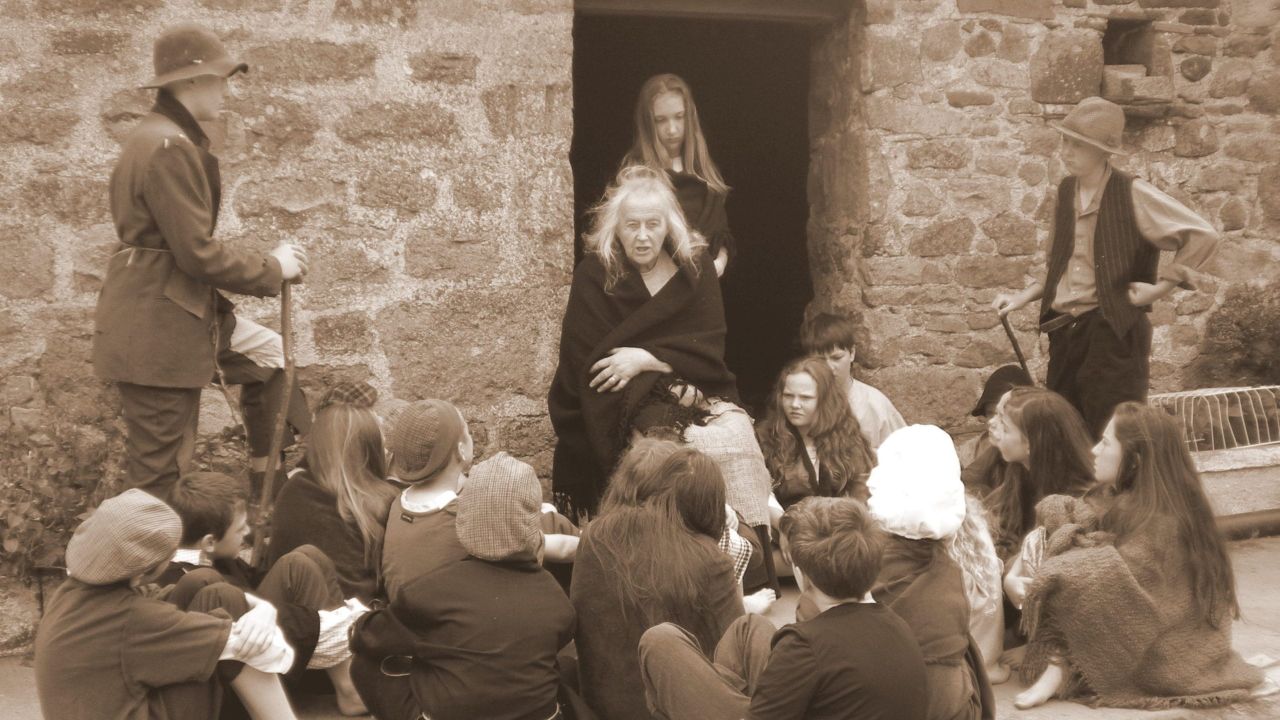
The Heather Ale legend reminds us that history is not only written in books. Sometimes it hides in songs, in poems, and in whispered tales passed between generations. It teaches that cultural pride does not always shout. Sometimes, it simply refuses to yield.
If tales like this inspire you, explore more in our Mythology & Folklore section, a living archive of Celtic imagination.
Final Thought
The Heather Ale legend is not only about a lost recipe.
It is about a people who understood that some knowledge belongs to the heart, not the conqueror.
And as long as the heather blooms, the story lives.