The Ghosts of Mary King’s Close: Edinburgh’s Hidden Dead
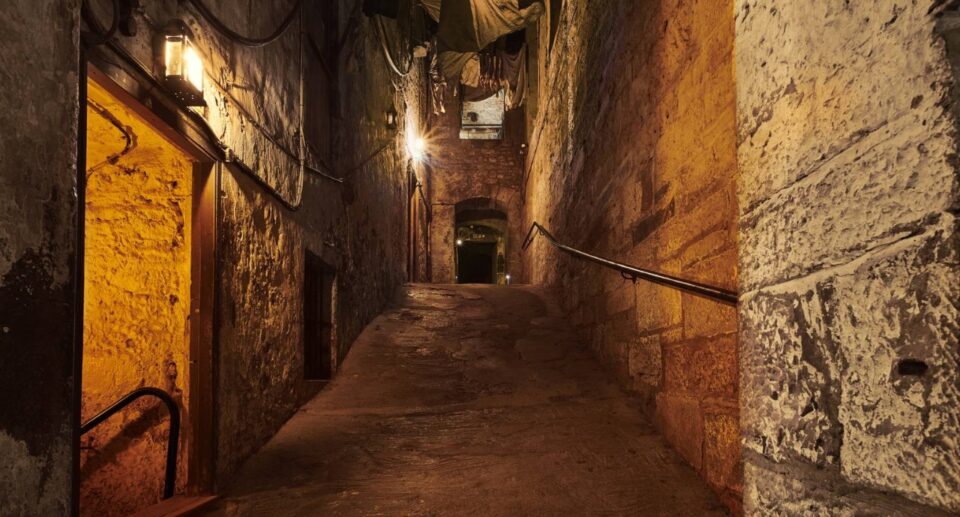
Edinburgh is a city that remembers. Beneath its elegant streets and historic façades lie layers of lives once lived fully and lost suddenly. Mary King’s Close, hidden under the Royal Mile, stands as one of the most powerful reminders of that truth.
This is not a place defined by spectacle. Its stories emerge from hardship, survival, and the quiet persistence of memory. The ghosts of Mary King’s Close feel compelling because history shaped them.
A Street Buried, Not Forgotten
Mary King’s Close formed in the early 17th century as a narrow residential street. Merchants, craftsmen, and families filled its tall tenements. Life here felt busy and communal, but it also felt precarious.
When plague struck Edinburgh, overcrowded closes like this one suffered the most. Illness spread rapidly. Families faced isolation, fear, and loss within stone walls that offered little comfort.
Later construction sealed the close beneath new buildings. Yet burial did not erase its presence. Instead, silence allowed stories to grow.
This instinct to preserve memory through storytelling reflects wider Celtic traditions, explored in Why Are Irish People Natural Storytellers?.
The Nature of the Hauntings
Visitors often describe Mary King’s Close as emotionally heavy rather than frightening. Many report sudden coldness, unease, or an overwhelming sense of sadness. These reactions appear consistent across accounts.
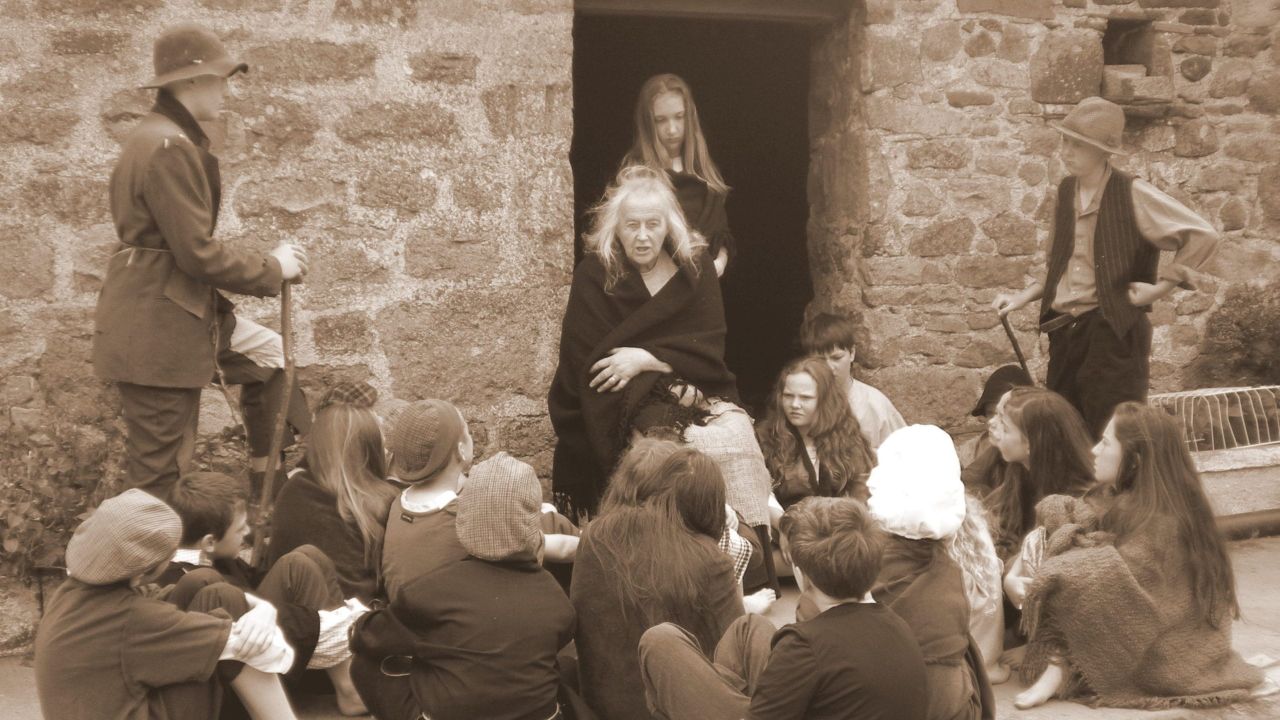
One recurring figure is a young girl, often associated with loss and abandonment. Whether interpreted as a spirit or symbolic memory, her story speaks to the suffering endured by children during plague years.
Rather than exaggeration, these encounters resemble echoes—residual impressions left by intense human experience. Celtic belief often frames such places as liminal, where past and present overlap, much like the mythic realms discussed in What Is Annwn?.
Faith, Folklore, and Stone
Religion shaped how residents understood suffering. Biblical interpretation and folk belief coexisted during times of disease. People sought meaning through prayer, symbols, and ritual.
Stone itself plays a vital role. In Celtic culture, carved and built spaces preserve memory. This idea resonates with themes explored in Celtic Stone Carvings, where physical form holds spiritual significance.
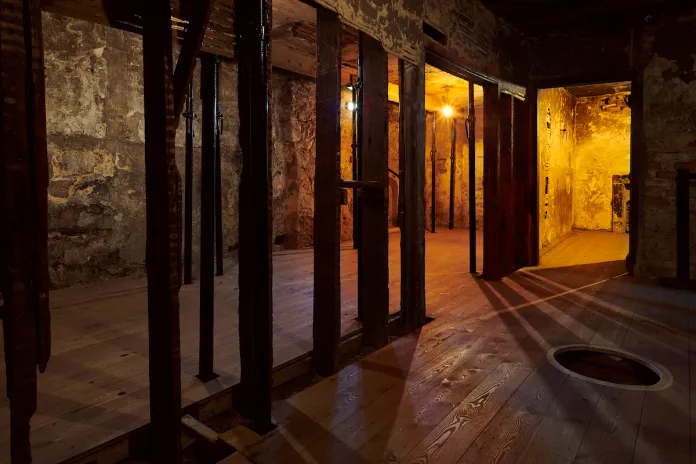
Mary King’s Close functions in much the same way. Its walls remember what people cannot forget.
Why the Ghosts Endure
Mary King’s Close endures because it refuses romanticisation. The stories do not glorify tragedy. They honour it.
The ghosts represent unfinished lives rather than restless spirits. They remind us that history involves ordinary people, not only kings or battles. This approach aligns with broader Celtic remembrance practices, similar to those described in The Echo of Ancestors: How Celtic Bells Ring Through Time.
Edinburgh thrives on this honest engagement with its past.
Mary King’s Close Today
Modern guided tours balance scholarship with sensitivity. Guides ground stories in historical records while acknowledging visitor experiences. This careful storytelling preserves authenticity.
Mary King’s Close belongs among Scotland’s enduring legends, alongside tales like The Linton Worm, where place and narrative remain inseparable.
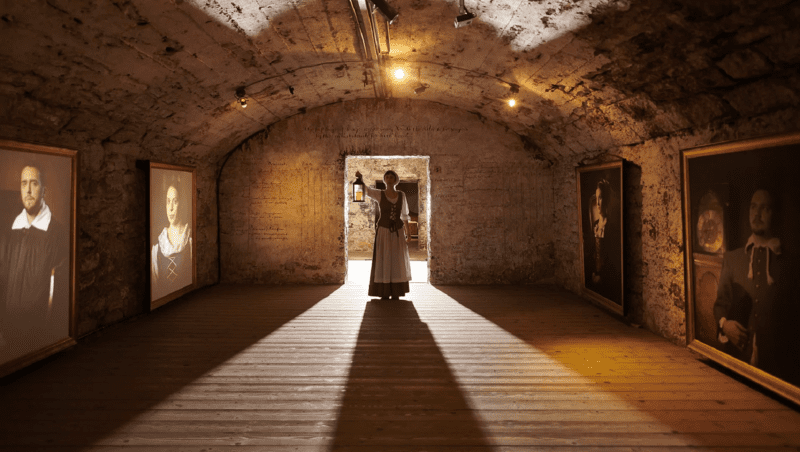
A City That Remembers
Mary King’s Close does not seek to frighten. It asks visitors to listen. The ghosts linger not because they demand attention, but because history deserves remembrance.
For more explorations of Celtic history, folklore, and cultural landscapes, visit the CeltGuide Blog.