
The Ghost Piper of Clanyard Bay: A Celtic Legend
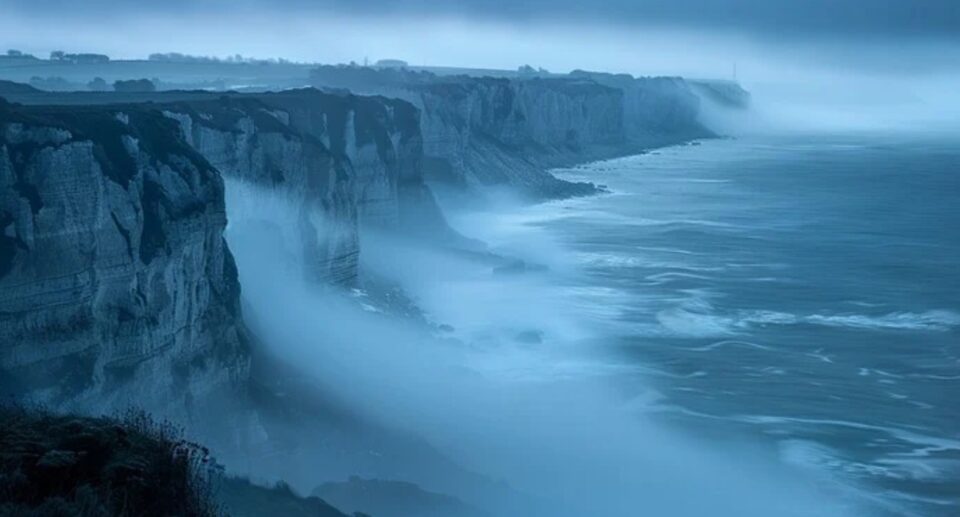
Along the rugged coastlines of Scotland, stories cling to the land as firmly as mist to the sea. One such tale echoes through Clanyard Bay, where locals still speak in hushed tones of a lone piper whose music drifts across the water long after his death. The legend of the Ghost Piper of Clanyard Bay stands as one of the most evocative examples of Celtic maritime folklore.
This is not merely a ghost story. It is a reflection of how music, landscape, and memory intertwine in the Gaelic world.
Where Clanyard Bay Meets Legend
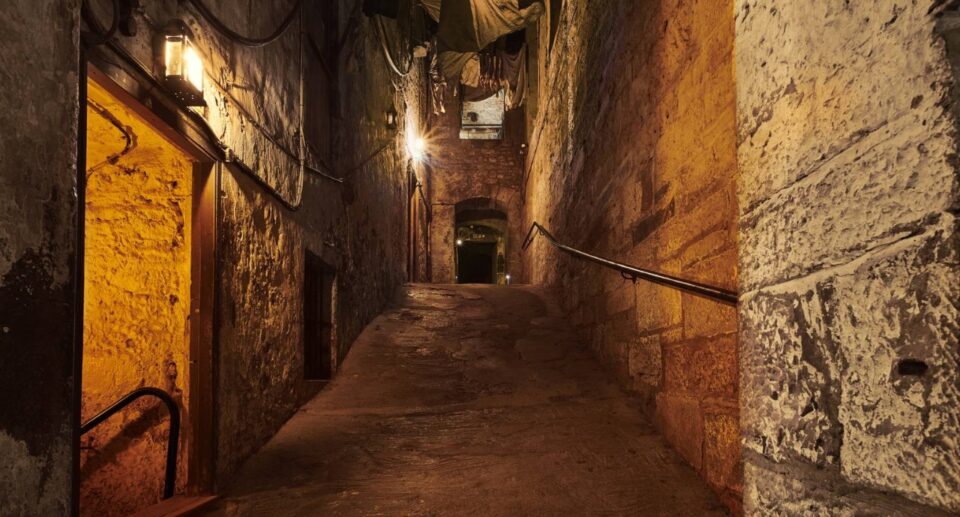
Clanyard Bay lies along a remote stretch of the Scottish coast, shaped by wind, tide, and centuries of seafaring life. Communities here depended on the sea, yet they also feared it. That tension gave rise to stories meant to explain loss and absence.
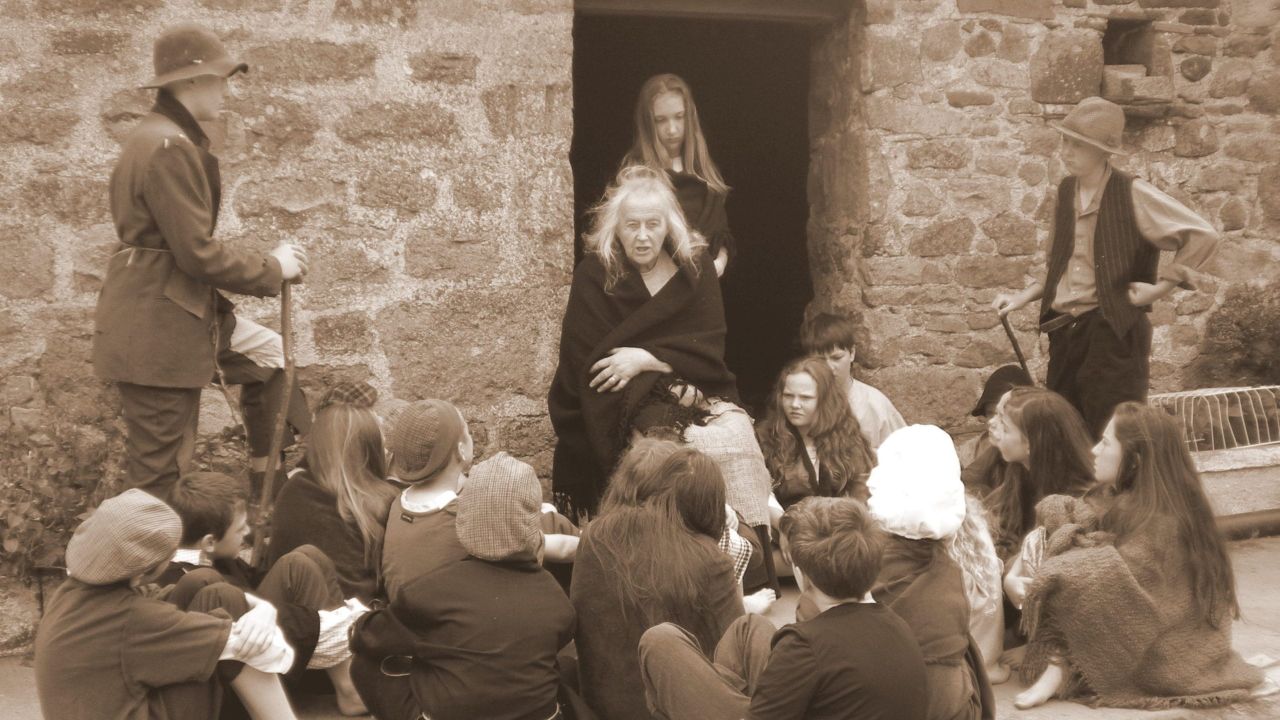
According to tradition, the Ghost Piper was once a living man. He played for fishermen before they sailed and welcomed them home with music. One stormy night, he vanished at sea. His body never returned. His music, however, did.
This pattern of unresolved loss mirrors themes found across Celtic storytelling, explored in Why Are Irish People Natural Storytellers?.
The Sound That Refused to Fade
Witnesses describe the music as faint but unmistakable. The sound resembles a traditional pipe lament, slow and aching. It often rises during fog or before sudden storms. Fishermen once believed the melody served as a warning rather than a curse.
Music holds sacred weight in Celtic culture. Instruments such as pipes, fiddles, and drums often carried symbolic meaning. You can explore this musical heritage further in Fiddle Music and The Bodhrán Drum.
In the Ghost Piper’s tale, music becomes a bridge between worlds.
Folklore, Faith, and the Sea
Celtic folklore rarely separates the natural from the spiritual. Coastal legends often suggest that souls lost at sea linger near the shoreline. This belief connects closely with older Gaelic views of the afterlife and liminal spaces.
Similar ideas appear in other mythic landscapes, such as Annwn, the otherworld of Welsh tradition, and sacred sites like Irish Holy Wells.
Clanyard Bay itself becomes a threshold. The sound of the pipes marks that boundary.

The Piper as Cultural Symbol
The piper occupies a powerful role in Celtic society. Historically, pipers preserved memory, marked ceremonies, and honored the dead. Their presence signaled continuity within clans and communities. To understand this social fabric, see How Many Scottish Clans.
In folklore, a ghost piper often represents unresolved duty. He continues to play because his role remains unfinished. This motif appears in several Highland legends, reinforcing the idea that cultural roles outlast individual lives.
Why the Legend Endures
The Ghost Piper of Clanyard Bay survives because it speaks to shared human experience. Coastal communities lived with constant risk. Music softened grief. Stories explained silence.
Even today, visitors report an uncanny stillness along the bay. Some claim to hear distant piping carried by the wind. Whether one believes these accounts matters less than what they preserve.
Such legends sustain cultural memory, much like those explored in The Echo of Ancestors: How Celtic Bells Ring Through Time.

A Living Story in a Living Landscape
The Ghost Piper of Clanyard Bay reminds us that folklore does not fade. It adapts. Each retelling keeps history alive while allowing space for imagination. The sea may erase footprints, but it does not erase stories.
For more explorations of Celtic myth, legend, and cultural memory, visit the CeltGuide Blog.