The Celtic Wheel of the Year: Turning Through the Seasons of Spirit

A Sacred Circle of Time
For the ancient Celts, time wasn’t a straight line, it was a circle of eternal return. Life moved through seasons of birth, growth, harvest, and rest, each marked by sacred festivals that honored both Earth and Spirit. This cyclical calendar, known as the Celtic Wheel of the Year, celebrated the balance between nature’s rhythms and humanity’s inner life.
Much like the Celtic Oak Tree that bridges sky and soil, the Wheel connects the physical and spiritual worlds, guiding Celts through both agricultural and mystical seasons.
The Eight Festivals of the Celtic Year
The Celtic year unfolds through eight sacred festivals, divided into four solar and four fire festivals. Together, they form a living compass of light and shadow—marking equinoxes, solstices, and the spaces between.
1. Samhain (October 31 – November 1): The Celtic New Year
Samhain marked the end of the harvest and the beginning of winter. It was a time when the veil between worlds grew thin, allowing ancestors to visit. Modern Halloween echoes these ancient fires of remembrance.
To the Celts, death wasn’t final. It was transformation, a step in the great wheel’s turning. The Hill of Tara, often associated with kingship and spirit, was one of Samhain’s sacred gathering places.

2. Yule (Winter Solstice): The Return of the Sun
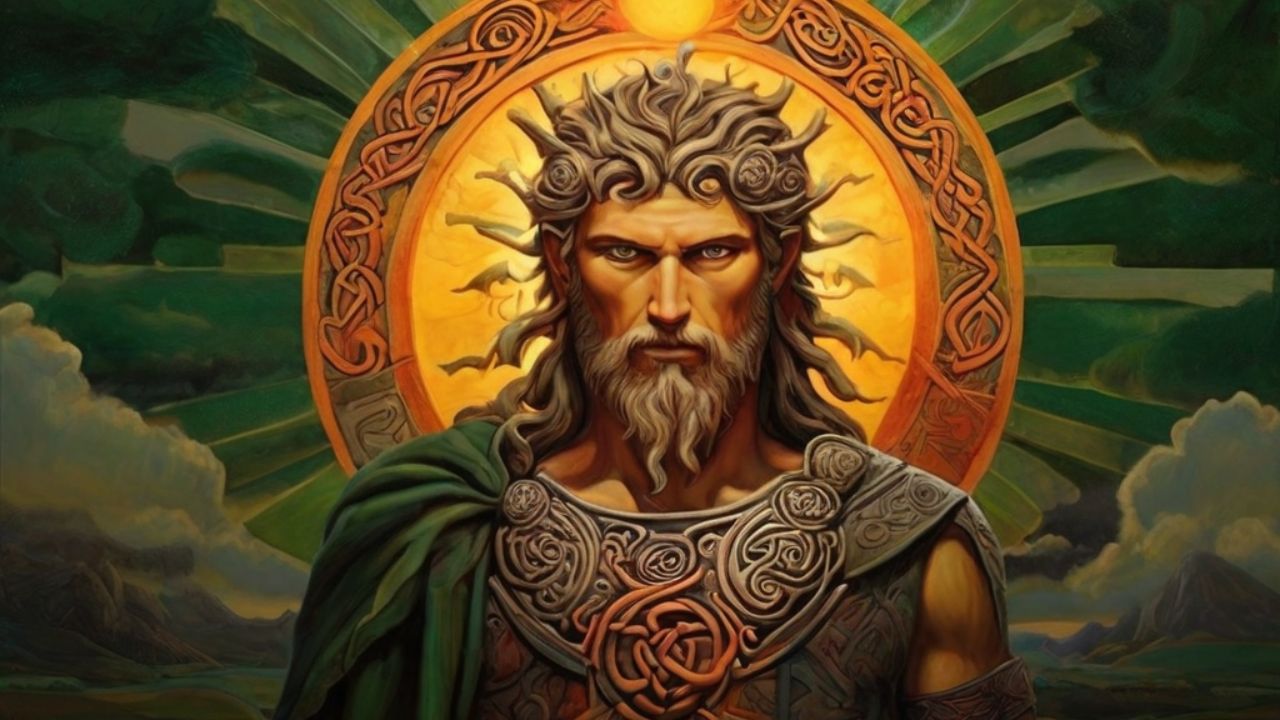
When darkness reached its peak, Yule celebrated the rebirth of light. Fires burned through the longest night, symbolizing hope and endurance. The Celts honored the Sun’s rebirth just as they revered Lugh, the Celtic Sun God, who embodied renewal and power.

3. Imbolc (February 1 – 2): Awakening of Life
Imbolc was dedicated to Brigid, the goddess of poetry, healing, and fire. As the snow melted and lambs were born, it signaled nature’s slow awakening. This was a season of purification, creativity, and preparation for planting.

4. Ostara (Spring Equinox): Balance Restored
At Ostara, day and night stood equal. The Celts celebrated fertility, balance, and renewal. Eggs and hares, symbols of abundance, featured prominently in their rituals. It was a time to sow seeds, both in soil and spirit.

5. Beltane (May 1): Fire of Fertility
Beltane blazed with passion and life. Bonfires crowned hilltops as people danced between flames to bless crops, animals, and love itself. The Maypole, still seen in festivals today, echoed the union of Earth and Sky.
Much like the rhythms in Celtic fiddle music, Beltane celebrated harmony between man, nature, and the unseen.

6. Litha (Summer Solstice): The Height of Light
The Sun stood at its zenith. Fires burned high to honor its strength, while offerings were made for good harvests. The Celts recognized this as both a celebration and a turning point, from increasing light toward its gentle decline.

7. Lughnasadh (August 1): The First Harvest
Named after Lugh, the Celtic Sun God, Lughnasadh honored both labor and gratitude. Fields yielded their first fruits, and games, feasts, and storytelling filled the air. It was a joyful time, a reminder that work and celebration can coexist.

8. Mabon (Autumn Equinox): Gratitude and Reflection
At Mabon, day and night again balanced. The Celts gave thanks for abundance and prepared for winter’s rest. The wheel reminded them that every end carries a beginning—a truth mirrored across Celtic lore, from the Cauldron of Dagda to the cycles of rebirth in myth.

A Living Tradition
Though centuries have passed, the Wheel still turns. Modern pagans, druids, and Celtic revivalists celebrate these festivals across the world, honoring Earth’s rhythm just as their ancestors did.
The Wheel of the Year reminds us to move in harmony with nature, to plant dreams, nurture growth, and rest when the season calls. It is both a calendar and a compass for the soul.
For those who wish to deepen their understanding of Celtic life and spirituality, exploring traditions like Irish Holy Wells or Celtic Storytelling offers further insight into how the Celts saw time as sacred.
Final Reflection: Turning in Harmony
The Celtic Wheel of the Year isn’t a relic, it’s a rhythm still alive in the land.
Each turn brings renewal, gratitude, and awareness that we, too, are part of this sacred circle.
As the Celts once did, we can walk in step with the seasons; listening, learning, and living through the poetry of time.