Scottish Gaelic Prayer Books: History, Faith & Language
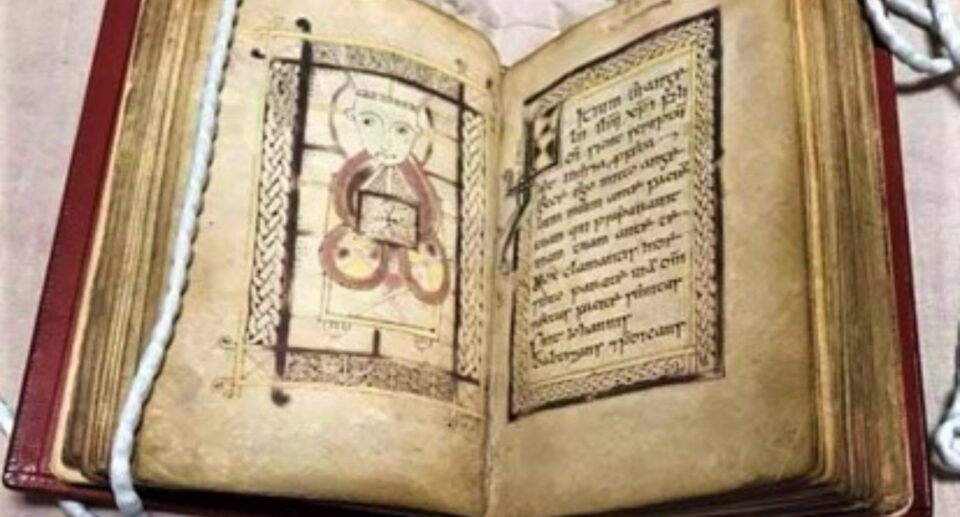
Scottish Gaelic prayer books sit at a powerful crossroads. They tell the story of Scotland’s faith, preserve a unique Celtic language, and reveal how communities worshipped over centuries. These books were not simply religious texts. They acted as cultural anchors for Gaelic-speaking regions, especially in the Highlands and islands. When you explore them closely, you see how they shaped identity, literacy, and spiritual life for generations.
This guide blends history, religion, and language to help you understand why Scottish Gaelic prayer books remain important today.
A Brief History of Gaelic Prayer Books
The earliest Scottish Gaelic religious texts appeared in the 16th and 17th centuries. Translators worked carefully to bring Christian teachings into the language that Highland communities spoke every day. Before this period, most worship followed Latin or English forms. The introduction of Gaelic prayer books changed everything.
One of the most influential works was the Book of Common Order, first translated into Scottish Gaelic in the 1600s. Later, the Gaelic Bible and various hymnals supported literacy growth across the Highlands. As printing spread, more communities gained access to religious materials in their own language.
These books did not only support worship. They helped people read, write, and preserve Gaelic at a time when many feared its decline. This theme appears often in Celtic cultural discussions, similar to what we explored in our article on The Gaelic Flute in Traditional Music.
Religious Importance in Highland Life
For many Gaelic-speaking families, the prayer book was the heart of the home. Morning and evening devotions shaped daily rhythms, and the steady presence of prayer brought comfort during hardship.
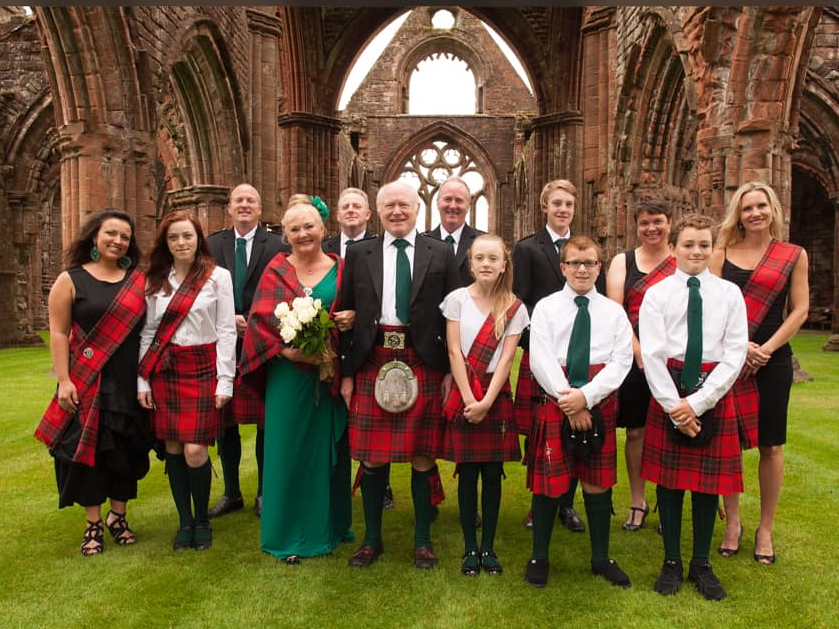
In church, ministers used Gaelic versions of the Psalms, liturgy, and sermons. These services strengthened the bond between faith and language. They also unified communities across scattered islands and remote glens.
Gaelic Psalms became especially significant. Their slow, powerful, call-and-response style still moves listeners today. If you explore broader Celtic spirituality, you’ll find similar themes in articles like our guide on Celtic Triple Spiral (Triskele), where faith and symbolism blend seamlessly.
Preserving the Gaelic Language Through Worship
Scottish Gaelic prayer books played a critical role in keeping the language alive. They made reading in Gaelic a daily habit, not just a cultural activity. This helped families pass the language to future generations and kept Gaelic connected to sacred traditions.
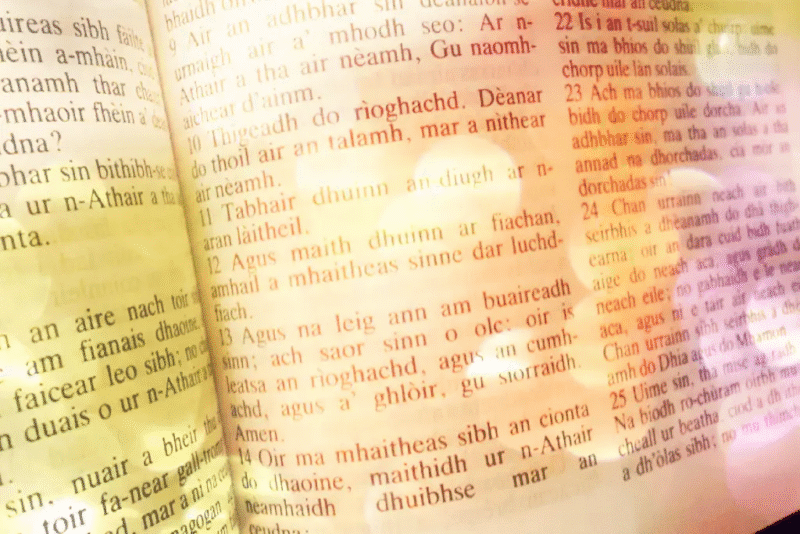
Many schoolteachers in Gaelic regions also used these prayer books to teach reading. The rhythm and structure of the prayers built confidence in young learners. Through this practice, religious literacy supported linguistic survival.
Today, when people talk about saving endangered languages, they often look at the role faith communities played. Gaelic prayer books hold one of the strongest examples of how spiritual life protected a cultural legacy.
Cultural and Artistic Value
Beyond their religious purpose, Scottish Gaelic prayer books reveal a deep artistic world. Handwritten copies often included decorative borders and Celtic motifs. Later printed editions featured elegant typefaces that reflected both Gaelic identity and Christian heritage.
These designs echo patterns found in ancient Celtic art, including symbols you may recognize from our article on the Celtic Sun God Lugh. Even centuries later, that artistic spirit remained alive on the pages of prayer books.
Modern Revival and Continued Relevance
Today, Gaelic prayer books remain meaningful for several reasons:
- they support the modern revival of Scottish Gaelic
- they help communities reconnect with ancestral worship traditions
- they preserve unique musical styles like Gaelic Psalm singing
- they offer historical insight into daily Highland life
Digital editions and reprints have made them easier to access. Many churches in the Highlands still use Gaelic liturgy, keeping the tradition active and relevant.
Final Thoughts
Scottish Gaelic prayer books stand as monuments to faith, language, and identity. They preserved a culture, guided families, and shaped worship for hundreds of years. When you explore their pages, you discover a living connection between past and present, a story written in devotion and carried through generations.