
Scottish Hunting Traditions: A Cultural and Historical Exploration

Scotland holds one of Europe’s most layered and enduring hunting traditions. Hunting here is not simply an economic activity or sport. It is a cultural language shaped by land, survival, and memory. In the Highlands especially, hunting becomes a way of understanding nature rather than conquering it.
To study Scottish hunting traditions is to enter a world where mist-covered hills, clan loyalties, and ecological knowledge intersect.
The Roots of Hunting in the Scottish Highlands
Hunting in early Scotland emerged from necessity. Communities depended on wild game for food, clothing, and survival. Deer, birds, and small mammals formed a crucial part of Highland subsistence.
The landscape of the Scottish Highlands defined how hunting evolved. Steep mountains, deep glens, and unpredictable weather required intelligence, patience, and endurance. Hunters could not rely on strength alone. They had to understand the land intimately.

This knowledge was not written in manuals. It passed orally through families and clans. Each generation learned how wind travels across a glen, how deer move at dawn, and how silence becomes a survival tool.
Clan Culture and the Social Meaning of the Hunt
In Scottish society, hunting never existed in isolation. It belonged to the clan system, where land, identity, and authority were tightly connected. Chiefs controlled hunting grounds, and access reflected loyalty and hierarchy.
A hunting expedition often symbolized more than food gathering. It represented leadership, discipline, and unity. Clan members worked together, reinforcing bonds through shared effort in harsh environments.

Hunting also carried political meaning. A successful hunt enhanced a chief’s reputation, while mismanagement of land or resources weakened authority. In this sense, hunting functioned as both livelihood and governance.
Deer Stalking: The Signature Highland Tradition
Among all forms of Scottish hunting, deer stalking became the most distinctive and refined practice. Unlike medieval chase hunting, stalking required silence, observation, and careful movement through terrain.
The red deer stood at the center of this tradition. It was not only a source of food but also a symbol of Highland wilderness. Hunters studied its behavior closely; its grazing patterns, escape routes, and seasonal migrations.

Deer stalking demanded discipline. Hunters moved slowly, often covering long distances without noise. They used terrain intelligently, hiding behind ridges and reading the landscape like a map. Even today, modern stalking practices in Scotland preserve many of these traditional principles, although now guided by conservation laws.
Tools, Weapons, and the Evolution of Hunting Gear
Scottish hunting tools evolved alongside technology, but cultural values changed more slowly. Early hunters relied on spears, bows, and simple traps. Later, firearms became dominant, transforming efficiency but not the underlying relationship with land.
One of the most iconic tools in Highland culture is the dirk knife. Though often associated with combat, it also served practical purposes in hunting and daily survival. It represented readiness, identity, and tradition.

Read more: https://celtguide.com/what-is-a-dirk-knife/
Even as tools modernized, the ethical relationship with nature remained central. Hunting was not meant to exhaust the land but to maintain balance with it.
Hunting and the Celtic Understanding of Nature
Scottish hunting traditions also reflect a broader Celtic worldview. In this perspective, nature is not an external resource. It is a living system in which humans participate.
Forests, rivers, and mountains hold meaning beyond physical space. They form a symbolic geography where spiritual and ecological realities overlap. Hunting within this worldview required respect, restraint, and awareness of seasonal cycles.

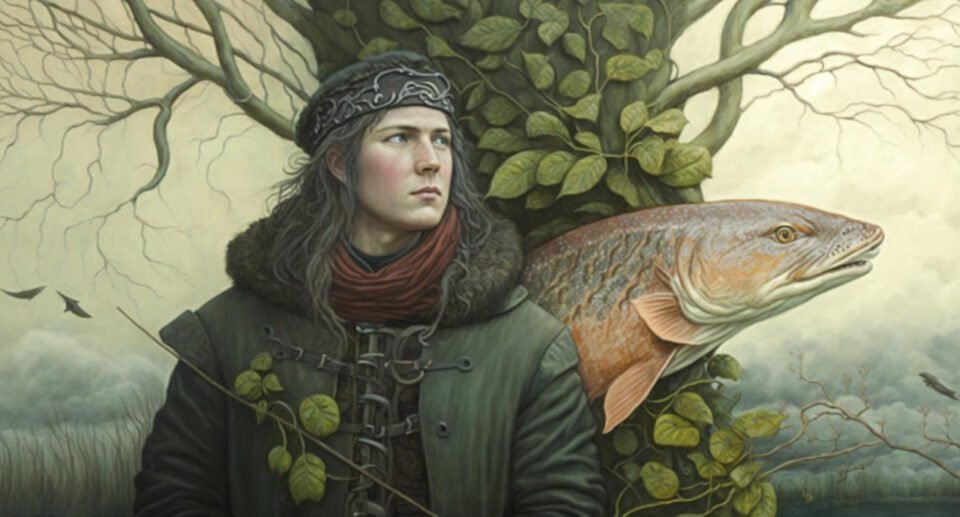
This perspective connects closely with Celtic mythology and concepts of otherworldly landscapes. For example, many traditions associate hidden realms with forests and hills, reinforcing the idea that nature holds layers of meaning.
Read more: https://celtguide.com/what-is-annwn/
Tartan, Identity, and the Visual Language of Hunters

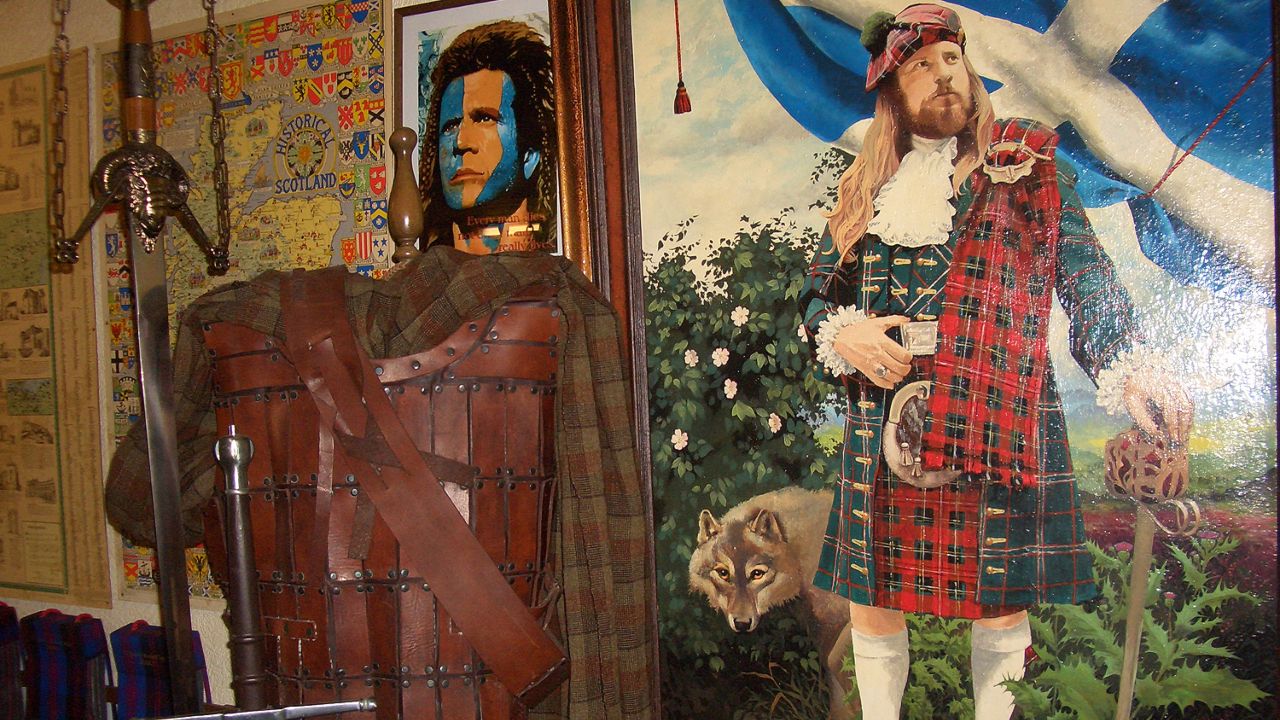
Clothing played an important role in Scottish hunting culture. Tartan patterns were not merely decorative; they represented clan identity and belonging. Each pattern carried social meaning, linking individuals to family history and territory.
In practical terms, tartan also suited Highland conditions. Wool provided warmth, while layered garments protected against wind and rain.
Over time, tartan evolved from everyday clothing into a global symbol of Scottish identity. Yet in hunting contexts, it still carries echoes of its original function; protection, belonging, and visibility within the landscape.
Read more:
https://celtguide.com/what-is-tartan/
https://celtguide.com/how-long-has-the-tartan-prints-been-around/
Modern Hunting in Scotland: Conservation and Continuity
Modern Scottish hunting operates within strict conservation frameworks. Deer population control, habitat protection, and ecological monitoring now shape hunting practices.
This shift reflects a broader transformation in human-environment relationships. Hunting today is less about survival and more about ecological balance and rural sustainability.
However, cultural continuity remains strong. Many Highland communities still view hunting as part of their identity, not merely an economic activity. The tradition survives through practice, memory, and landscape stewardship.
Conclusion: A Tradition Rooted in Land and Memory
Scottish hunting traditions continue to evolve, but they remain deeply connected to land, identity, and culture. They reveal how people once lived with nature rather than apart from it.
To understand these traditions is to understand Scotland itself; not as a static history, but as a living landscape shaped by endurance, respect, and cultural memory.