Scottish Hunting Kilts: Heritage, Function & Timeless Style
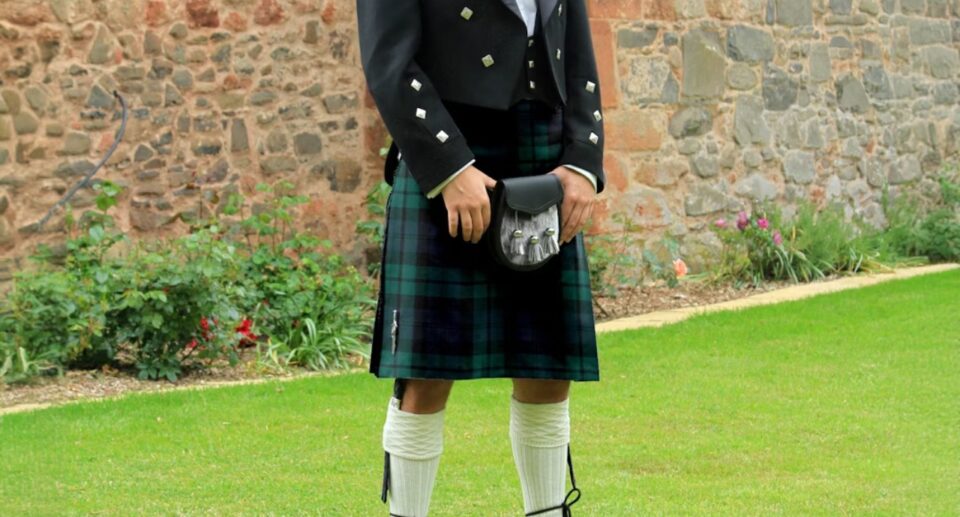
Few garments embody Scotland’s fusion of practicality and identity as powerfully as the Scottish hunting kilt. While many today associate kilts with parades and ceremonies, hunting kilts trace their lineage back to rugged Highland pursuits — a blend of survival, skill, and clan tradition.
The Origin of the Hunting Kilt
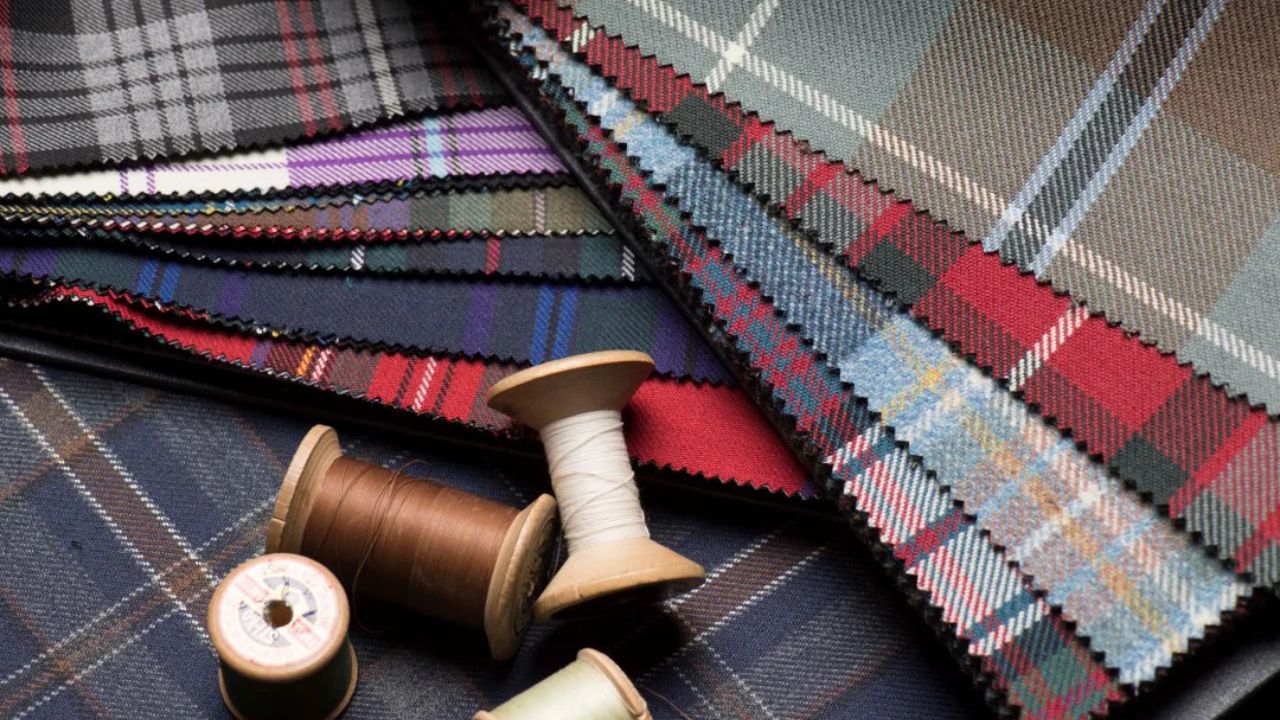
The hunting kilt evolved from the great kilt (féileadh mór), a voluminous garment that Highlanders once wrapped around themselves for warmth and freedom of movement. Unlike the bright, ceremonial tartans we often see today, hunting tartans were crafted in muted greens, browns, and greys colours that helped the wearer blend seamlessly into the heathered hills and dense forests.
These natural hues symbolized a practical adaptation of Celtic ingenuity. Hunting was not just sport but survival. The muted plaid became the Highlander’s camouflage, centuries before the concept existed formally.
For a detailed exploration of tartan origins, you can read What Is Tartan? and How Long Has the Tartan Print Been Around?.
Clan Identity in the Wild
Each Scottish clan had its own tartan patterns, but hunting kilts often featured alternative designs specifically for outdoor activities. These “hunting setts” allowed wearers to stay loyal to their clan identity while adapting for the practicalities of Highland life.
Even during hunts, the Highlander carried his heritage on his waist, a silent emblem of belonging. It wasn’t simply clothing; it was a statement of lineage and loyalty.

Design and Functionality
Traditional hunting kilts are typically heavier and slightly longer than their dress counterparts. The fabric, often worsted wool, offers insulation and durability. The pleats are deeper, allowing for greater flexibility, ideal for walking miles across uneven Highland terrain.
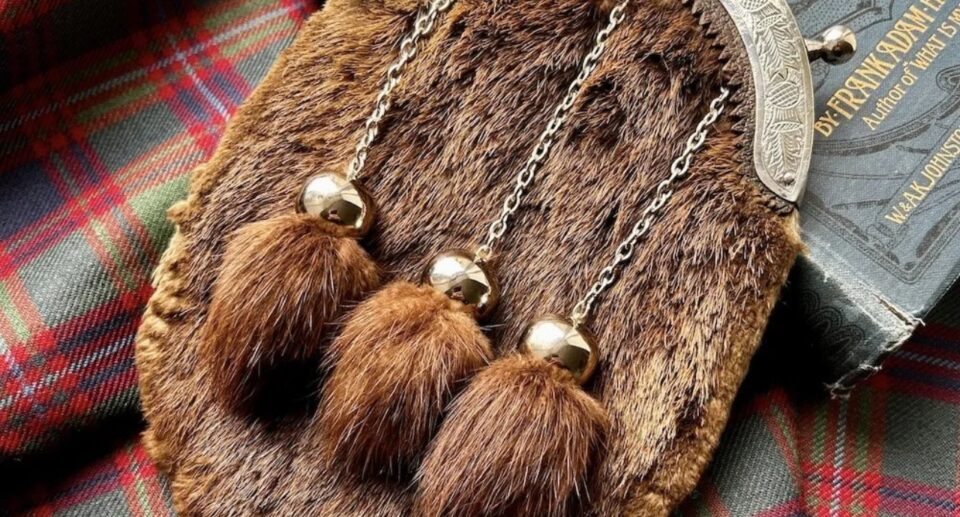
Accessories like the sporran, belt, and hunting dirk complete the ensemble. For a detailed overview of the dirk’s cultural meaning, visit What Is a Dirk Knife?.
Many hunters also wore tartan shawls or capelets for additional warmth, see Scottish Tartan Shawls: A Timeless Blend of Heritage and Elegance.
Symbolism Beyond Utility
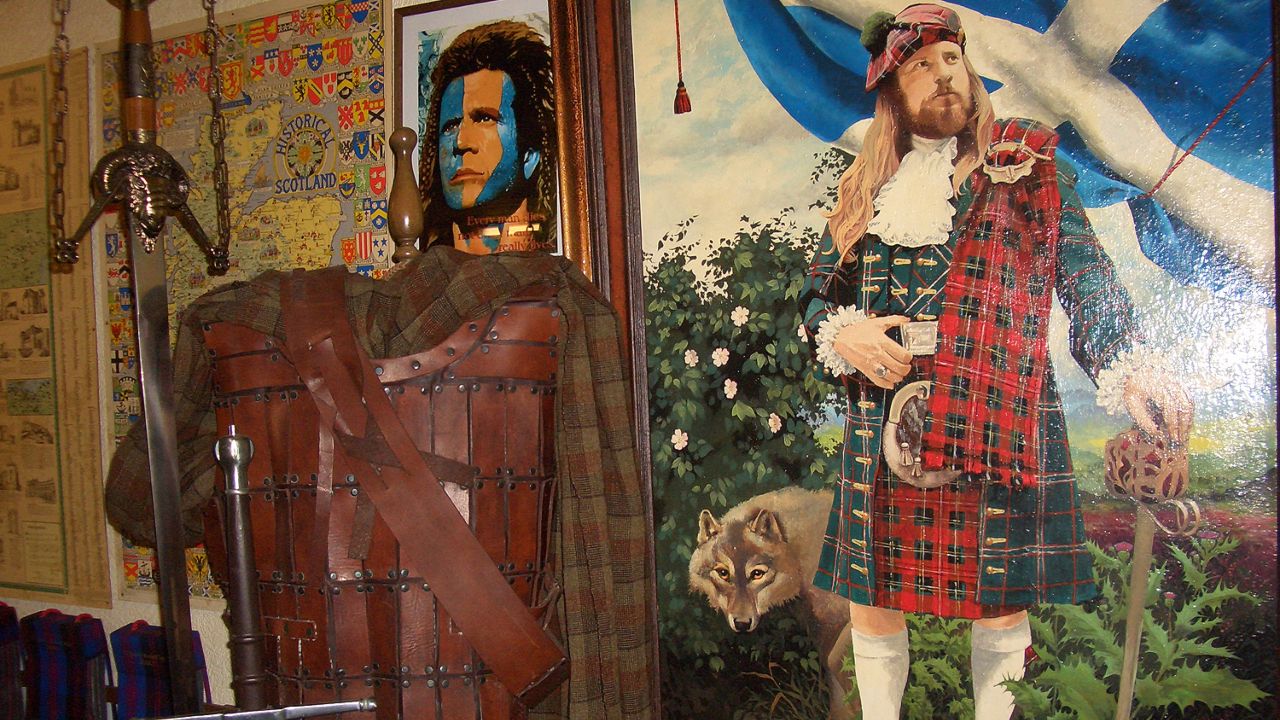
To the modern eye, the hunting kilt may appear as simple outdoor wear, but in the 18th and 19th centuries, it symbolized defiance and identity. During periods of English restriction, donning a kilt even for hunting became an act of quiet rebellion, a preservation of Celtic pride against cultural suppression.
The kilt’s endurance through political, environmental, and social change reflects a broader truth about Celtic resilience, a theme explored in Crofter’s Journey Through Time.

Modern Revival of the Hunting Kilt
Today, the Scottish hunting kilt remains a staple at Highland Games and outdoor ceremonies, admired for its blend of form and function. Modern versions feature lightweight materials and moisture-resistant finishes, bridging tradition and innovation.
Outdoor enthusiasts often choose hunting kilts for hiking or archery events, appreciating the freedom of movement they provide. It’s a rare case where ancient design outperforms modern gear.
You can experience this heritage firsthand at gatherings like Events to Watch in Highland Games 2025.
A Heritage Woven in Wool
From mist-covered moors to ceremonial gatherings, the Scottish hunting kilt represents more than attire. It embodies a philosophy of living in harmony with nature, honouring one’s ancestors, and carrying history on one’s back.
In every fold and thread lies a story, one that links past and present, hunter and clan, land and legacy.
To learn more about Scotland’s living traditions and ancient artistry, visit the CeltGuide Blog for more on Celtic culture and style.