Scottish Armorial Embroidery on Jackets Explained
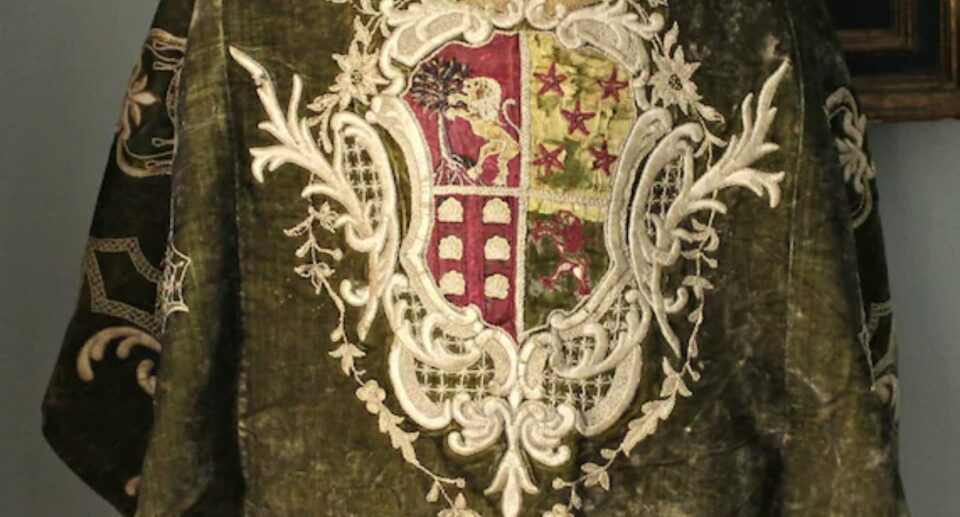
Scottish armorial embroidery on jackets blends art, identity, and history into wearable form. These intricate stitched designs appear most often on formal Highland jackets. They represent lineage, allegiance, and symbolism drawn from heraldry. Far from decoration alone, armorial embroidery speaks a visual language rooted in Scottish tradition.
What Is Armorial Embroidery?
Armorial embroidery refers to stitched designs based on coats of arms. These designs include shields, crests, mottoes, and symbolic animals. In Scotland, artisans traditionally apply such embroidery to formal jackets worn with Highland dress.
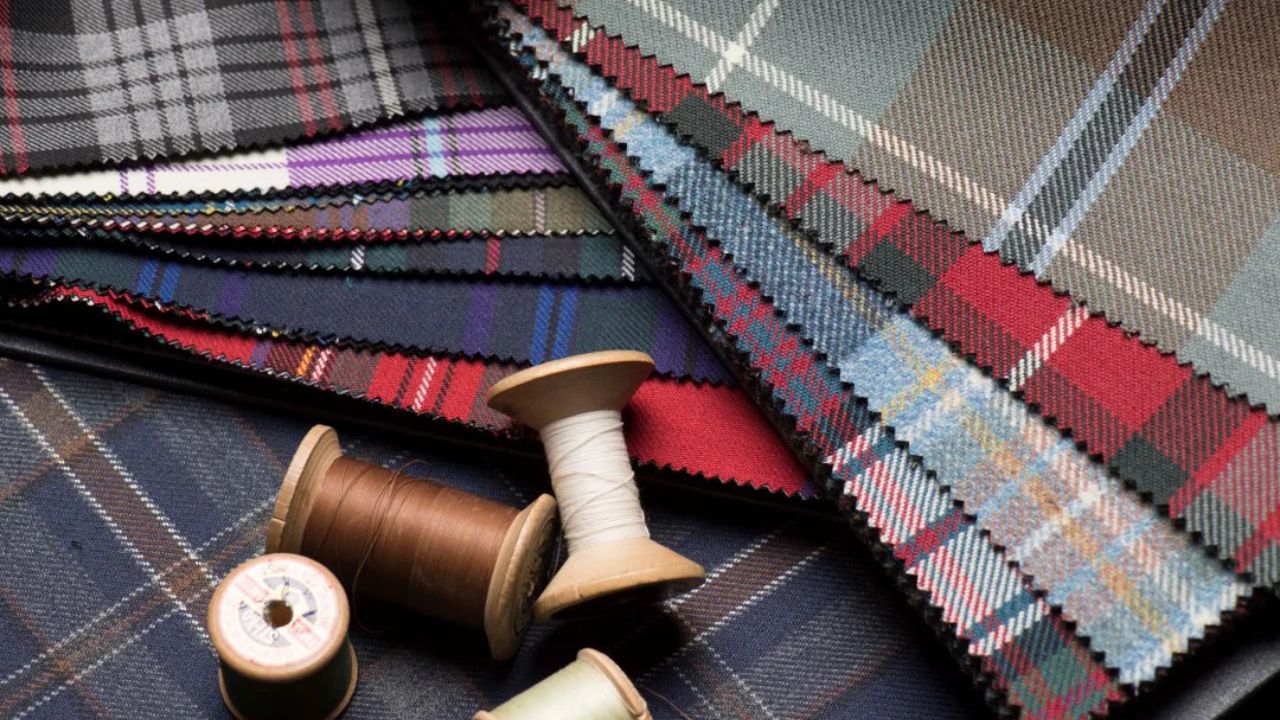
Each motif carries meaning. A lion may signify courage. A stag may suggest nobility or connection to the Highlands. Much like tartan patterns, armorial designs communicate identity through visual codes, similar to the symbolic system explained in Scottish tartan traditions (https://celtguide.com/what-is-tartan/).
Historical Roots in Scottish Heraldry
Scottish heraldry developed during the medieval period. Clans, families, and institutions adopted coats of arms to assert authority and lineage. Over time, these symbols moved beyond shields and manuscripts into clothing and ceremonial objects.
Armorial embroidery became especially prominent in formal wear during the eighteenth and nineteenth centuries. This period also saw renewed interest in clan identity and Highland culture, a movement closely tied to the broader history of Scottish clans (https://celtguide.com/how-many-scottish-clans/).
Placement on Scottish Jackets
Artisans usually place armorial embroidery on specific areas of a jacket. The cuffs, pockets, collar, and sometimes the back panel receive the most attention. Each placement follows tradition and balance rather than excess.
Tailors often pair embroidered jackets with kilts, tartan sashes, or shawls. This combination creates a layered visual narrative, similar to how tartan accessories complement Highland attire (https://celtguide.com/how-to-wear-a-tartan-sash/).

Symbolism in the Stitches
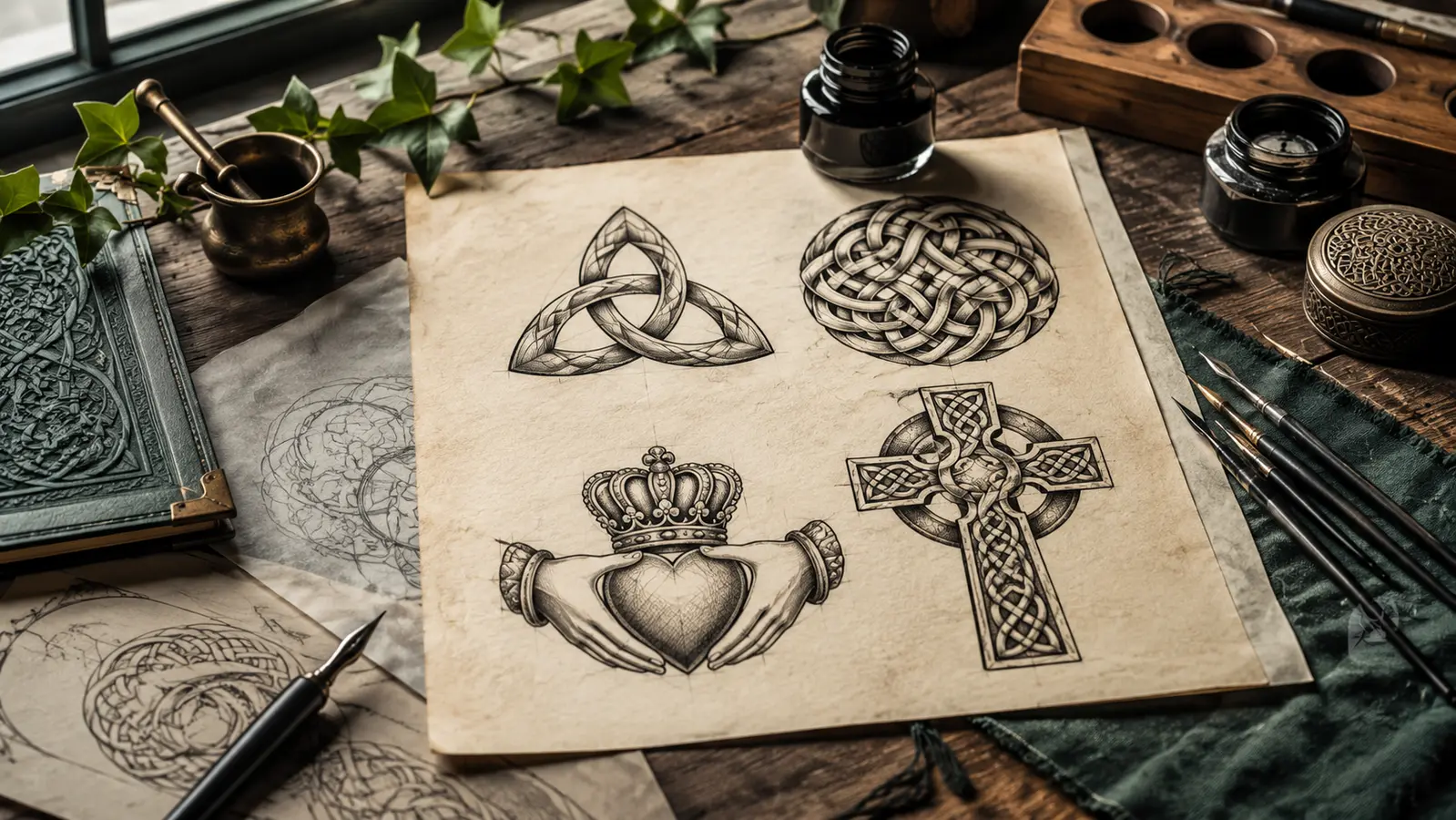
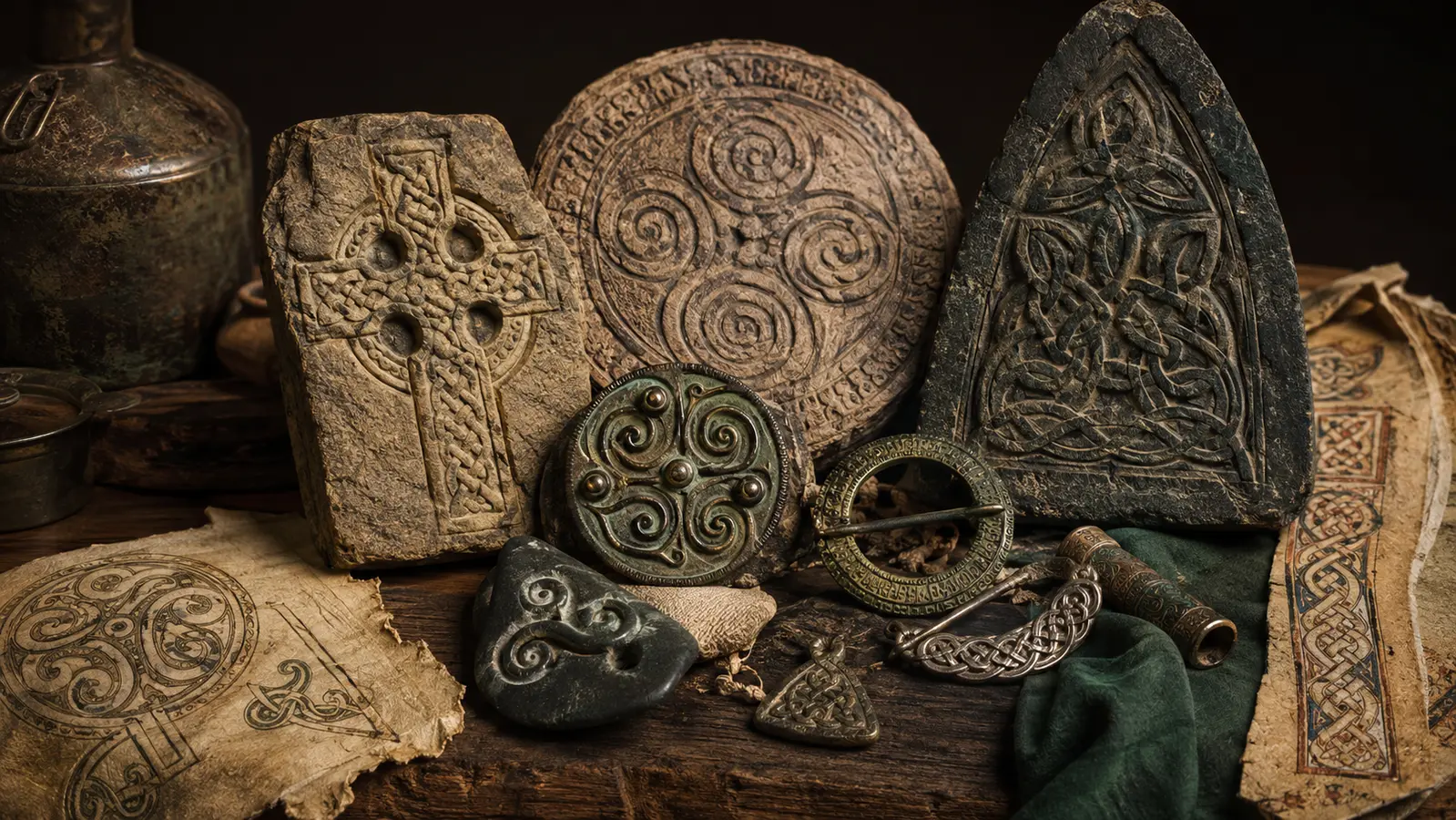
Every element in armorial embroidery serves a purpose. Motifs often reflect clan history, regional landscapes, or mythic heritage. Celtic knotwork appears frequently, symbolizing eternity and interconnectedness. Natural symbols, such as oak leaves, echo ancient Celtic reverence for nature, seen in traditions surrounding the sacred oak (https://celtguide.com/celtic-oak-tree/).
Some designs also reference legendary figures or divine symbolism rooted in Celtic mythology, where gods like Lugh embodied skill and craftsmanship (https://celtguide.com/celtic-sun-god-lugh/).
Craftsmanship and Technique
Scottish armorial embroidery demands precision and patience. Skilled embroiderers use techniques such as satin stitch, couching, and goldwork. Historically, artisans worked by hand, often training through apprenticeships.
Even today, many traditional workshops preserve these methods. The craft reflects the same respect for continuity found in other forms of Celtic material culture, including stone carving traditions (https://celtguide.com/celtic-stone-carvings/).
Armorial Embroidery in Modern Highland Dress
Modern Highland jackets continue to feature armorial embroidery, especially for formal events. Weddings, clan gatherings, and Highland Games often showcase embroidered jackets as statements of pride and heritage.
Highland Games, in particular, provide a living stage for such traditions, where dress, sport, and symbolism converge (https://celtguide.com/events-to-watch-in-highland-games-2025/).
Designers today balance tradition with restraint. They avoid excess ornamentation while preserving symbolic clarity.
Why Armorial Embroidery Still Matters
Scottish armorial embroidery endures because it tells stories without words. Each stitch preserves lineage, memory, and belonging. In a modern world driven by fast fashion, these jackets remind us that clothing can still carry meaning.
Just as music, language, and landscape shape cultural memory, so too does dress. Armorial embroidery on jackets remains a quiet yet powerful expression of Scottish identity.