Lugh: The Celtic Sun God of Skill, Light, and Victory

Some gods in mythology glow brighter than the rest. Lugh stands right at the center of Celtic belief, a radiant force of creativity, skill, and kingship. The ancient Irish called him Lugh Lámfada, “Lugh of the Long Hand,” because his reach extends everywhere in the Celtic imagination. Sunlight, craftwork, harvest, battle, storytelling. He plays a role in each of them.
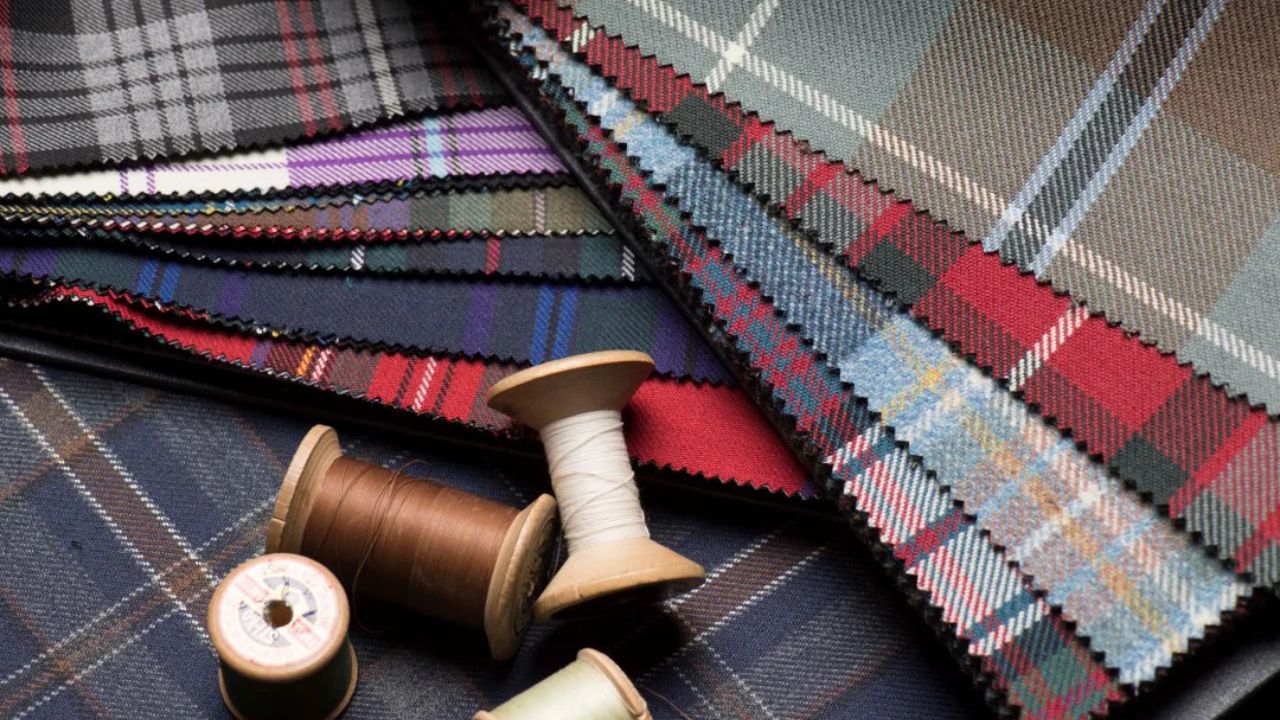
Visitors who love Celtic craftsmanship often look into tartan history. You can explore how patterns reflect identity here:
➡️ https://celtguide.com/what-is-tartan/
Who Is Lugh?
Lugh belongs to the Tuatha Dé Danann, the great supernatural race of Ireland. His father, Cian, came from this divine group, while his mother, Ethniu, descended from the Fomorians, fierce and hostile beings. Lugh stands as a bridge between worlds. That balance defines him.
His symbol shines in the everyday world. Blacksmiths, poets, warriors, kings, each group claims him. His worship celebrated excellence. If someone masters many skills, people still use the term “samildánach” (many-gifted) just like Lugh.
This celebration of stories and talent still thrives across Ireland. You can explore that spirit here:
➡️ https://celtguide.com/why-are-irish-people-natural-storytellers/
Lugh’s Weapons and Symbols
Lugh never walks into myth unprepared. His legendary weapons include:
• The Spear of Lugh that never misses
• The sword Fragarach, meaning “The Answerer”
• A keen sling stone that brings victory in his greatest battle
Every item reflects his unstoppable energy and precision.

Lugh and the Battle for Ireland
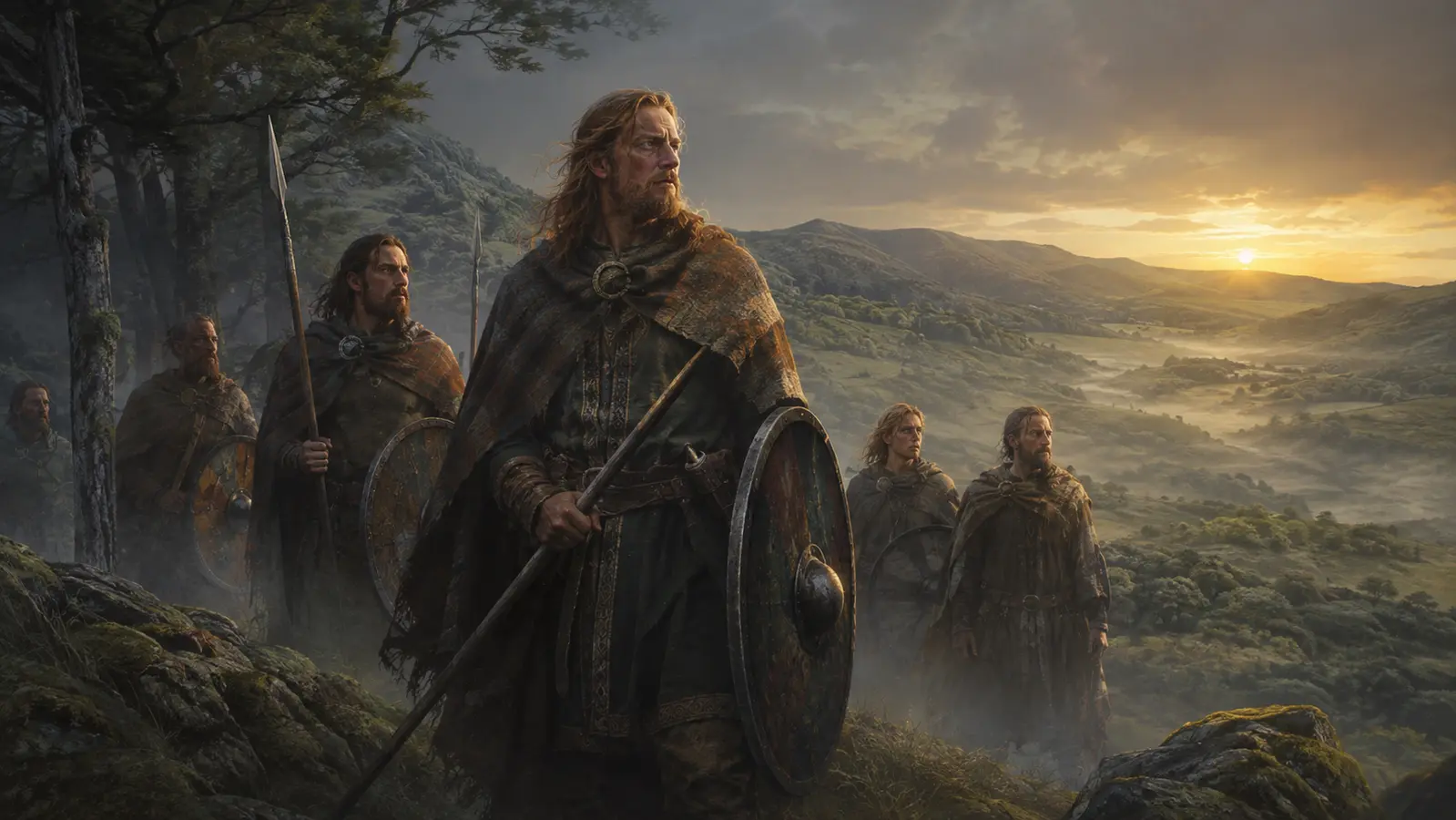
When the brutal Fomorian king Bres tried to rule Ireland, Lugh refused to stand aside. His strategy and lethal accuracy changed the final battle at Mag Tuired. He struck down the monstrous giant Balor, his own grandfather, with a sling stone straight into Balor’s destructive eye.
That moment brings sunlight back into Ireland. Triumph comes with clarity and hope.
Curious how Ireland remembers ancient power in sacred landscapes?
➡️ https://celtguide.com/hill-of-tara/
Lughnasadh: A Festival of Life and Gratitude
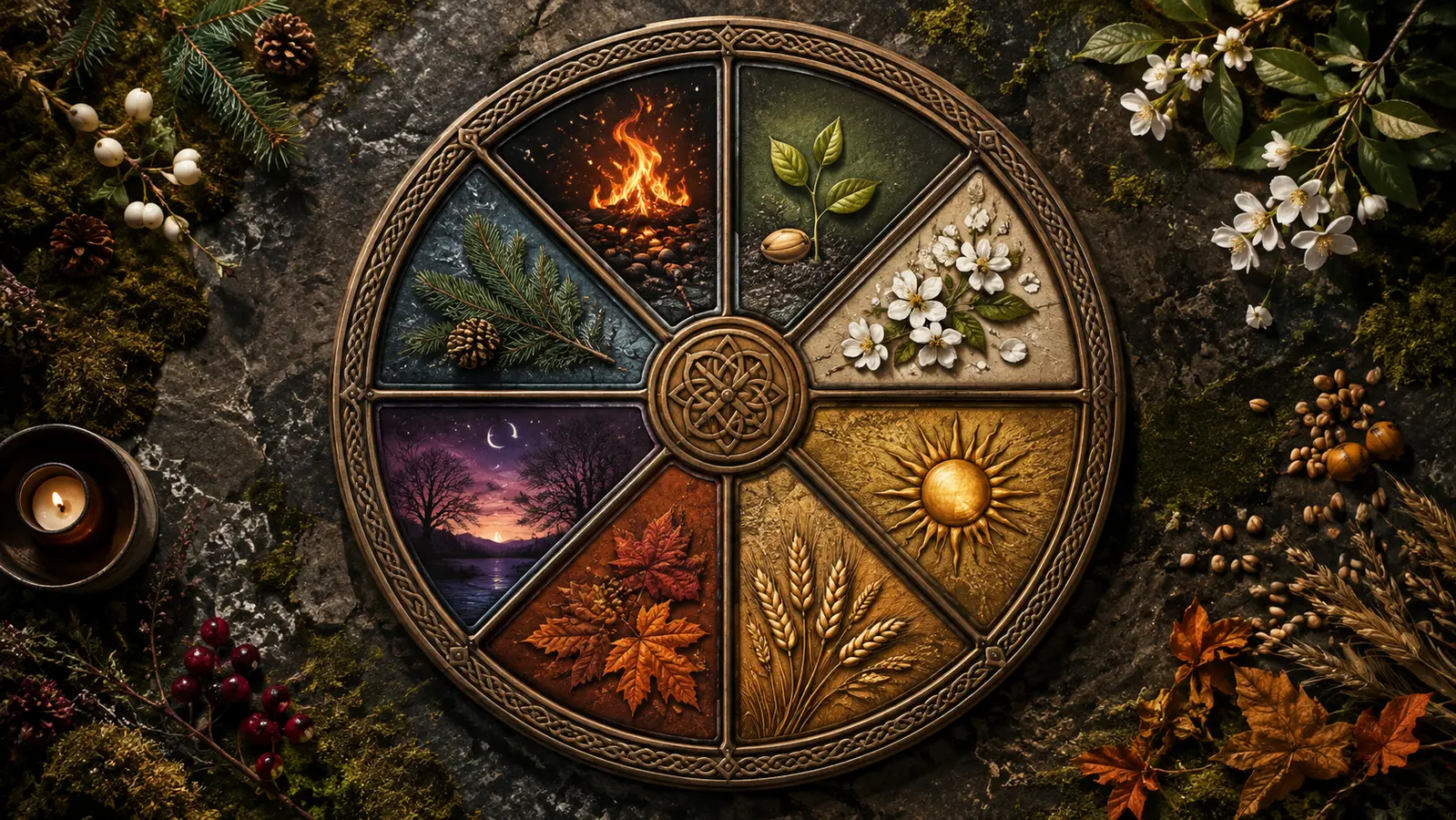
Lugh honors his foster-mother Tailtiu by founding the festival of Lughnasadh, celebrated at the start of August. This festival:
• Welcomes the first harvest
• Unites communities in games and skill competitions
• Gives thanks for the sun’s strength
It reflects Lugh’s belief that society grows stronger through shared celebration.

Traditional Celtic music still creates that same community. Read more here:
➡️ https://celtguide.com/ceili-bands/
Lugh as a God of Craft and Art
Lugh does not shine only in war and sunlight. His clever hands and gifted mind make him the guardian of:
• Artisans
• Musicians
• Poets
• Lawgivers
• Craftspeople
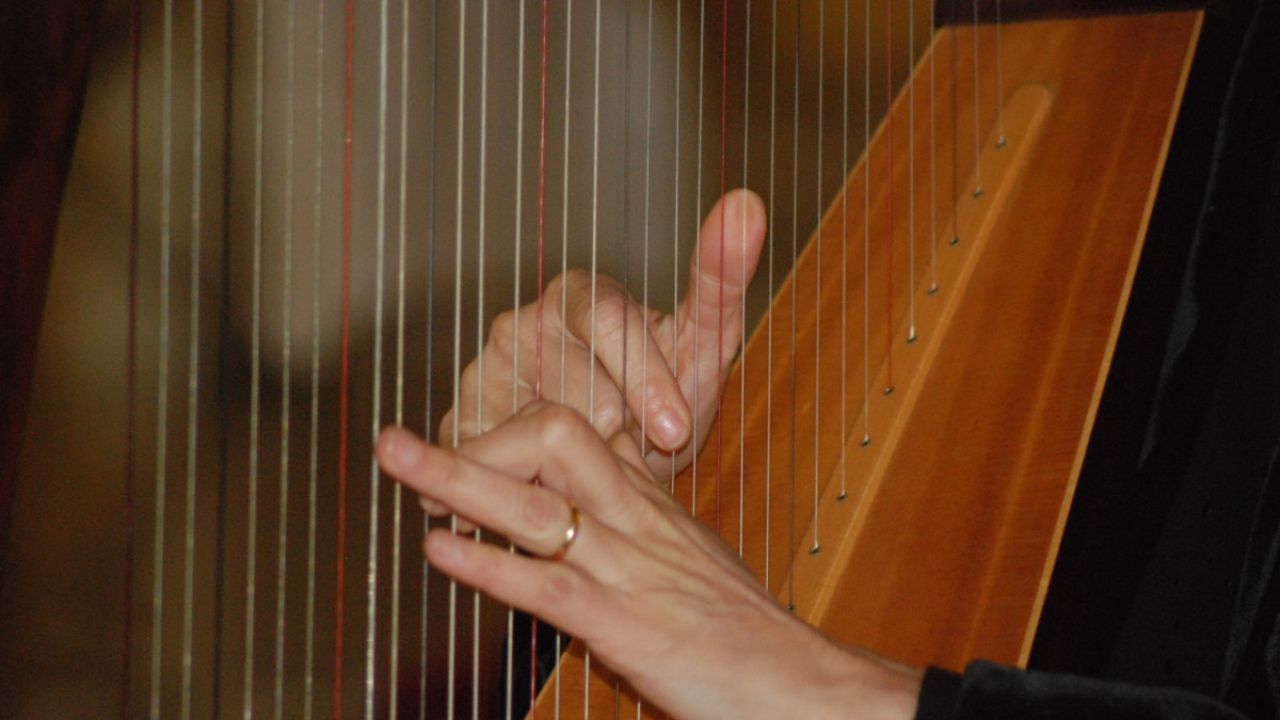
Even the celebrated Celtic harp, known as the clarsach, expresses that union of artistry and pride:
➡️ https://celtguide.com/what-is-a-clarsach-a-comprehensive-guide-to-the-celtic-harp/
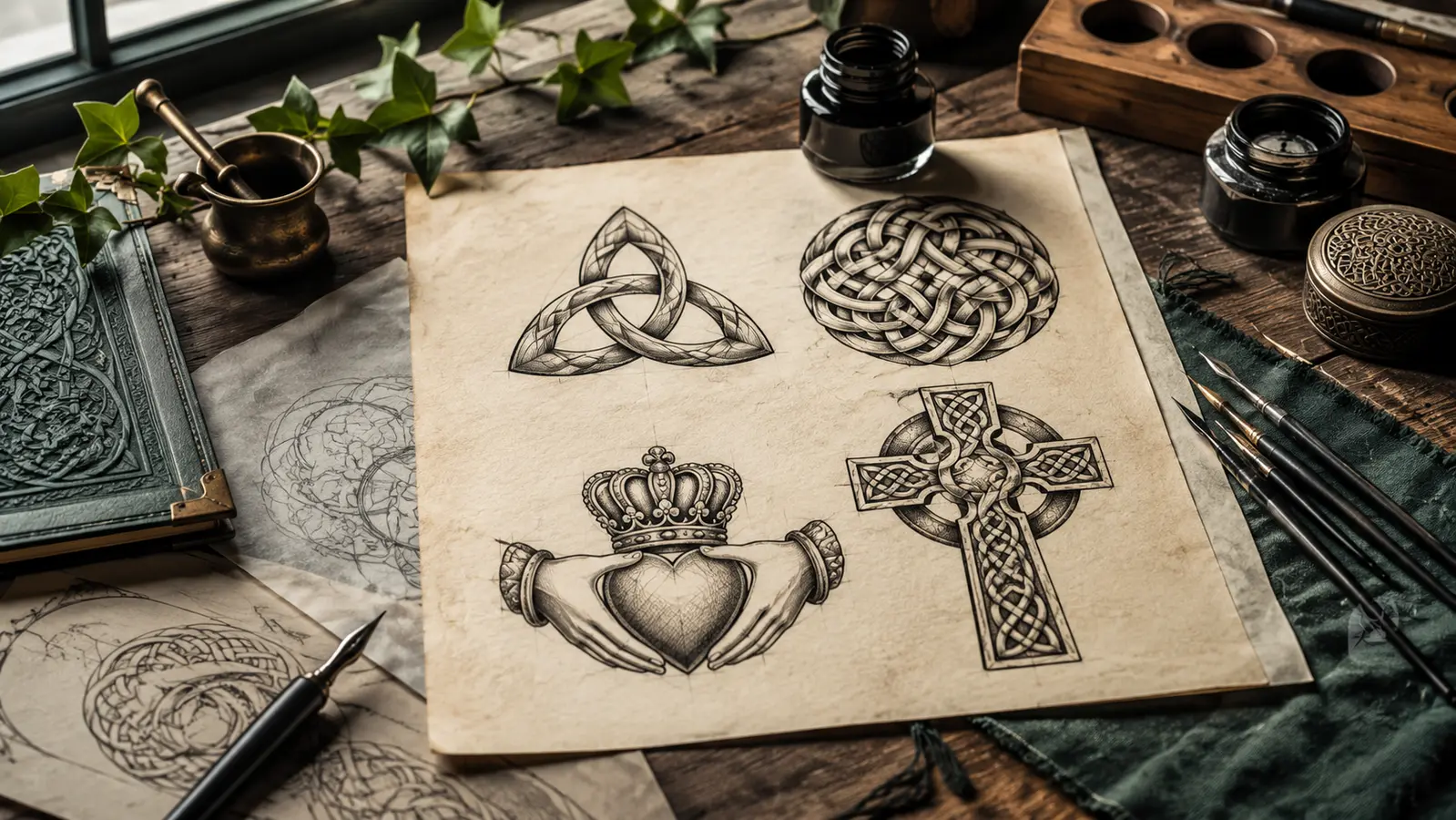
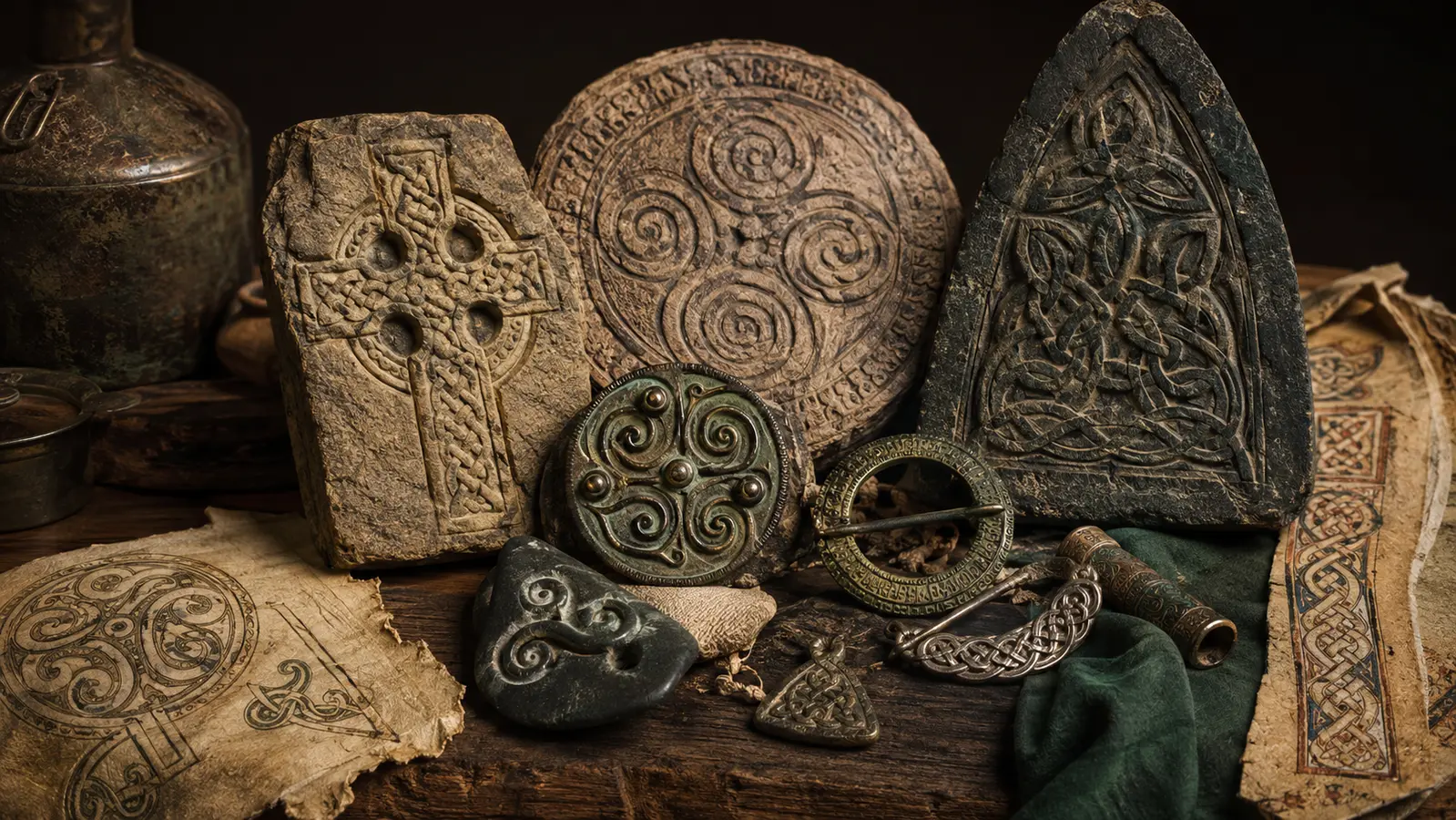
Celtic stone carvings also keep his presence alive in their symbolism:
➡️ https://celtguide.com/celtic-stone-carvings/
How Lugh Lives On Today
Modern Celtic identity still draws power from Lugh:
• His name survives in Lughnasadh festivals
• Towns such as Lyon (Lugdunum) echo his worship
• Writers and artists continue to honor his many talents
• The sun remains a sacred Celtic symbol of renewal
His story reminds us that creativity matters as much as force. Skill nourishes survival.
Lugh’s Legacy in a Single Line
Light shines brightest through those who dare to master every gift they’ve been given.
Explore more of our Celtic mythology insights:
➡️ https://celtguide.com/category/mythology-folklore/
➡️ https://celtguide.com/blog/