

La Tène Art Style: The Flowing Language of the Celts
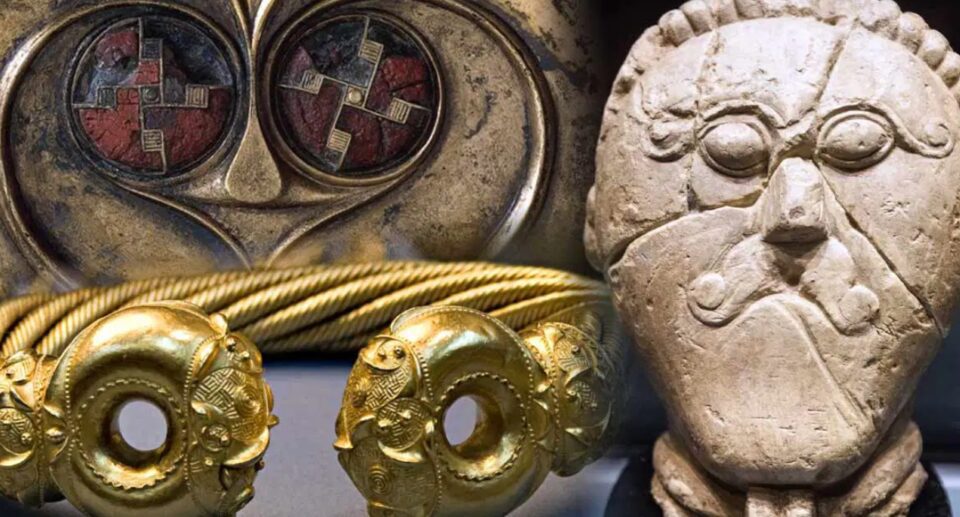
The La Tène art style stands as one of the most distinctive visual languages of ancient Europe. Emerging during the Iron Age, it captures movement, imagination, and symbolism through swirling forms and abstract patterns. More than decoration, La Tène art expresses how Celtic communities understood the world around them.
What Is the La Tène Art Style?
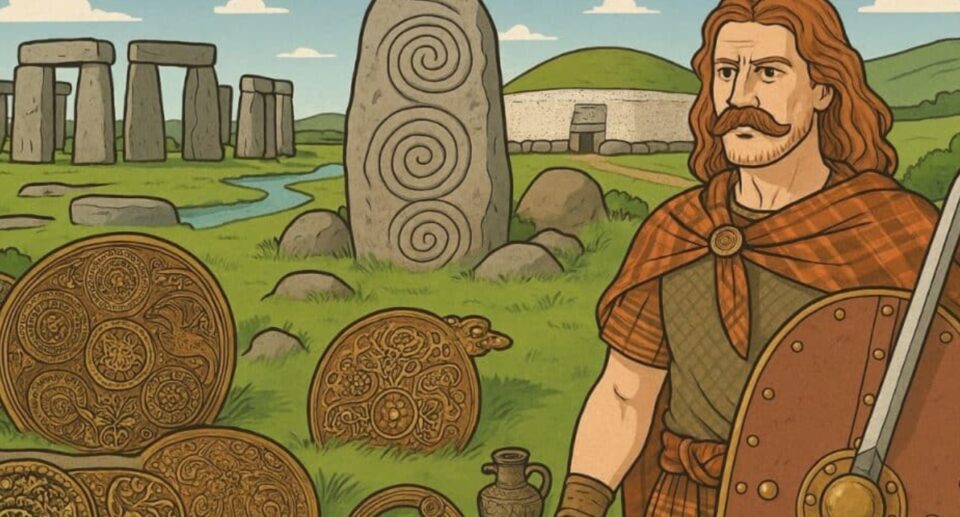
La Tène art developed around the fifth century BCE and spread across much of Celtic Europe. The style takes its name from the archaeological site of La Tène in present-day Switzerland. Artists favoured curves over straight lines and abstraction over realism.
Rather than copying nature, La Tène art transformed it. Plants, animals, and human forms appear stylised and fluid. This approach reflects a worldview that valued transformation and motion.
Like Celtic storytelling traditions, which rely on rhythm and memory rather than fixed texts, La Tène art communicates through suggestion rather than literal description (https://celtguide.com/why-are-irish-people-natural-storytellers/).
Historical Context of La Tène Art
The La Tène period followed the earlier Hallstatt culture and coincided with the expansion of Celtic groups across Europe. Trade networks connected the Celts with Greek and Etruscan societies, influencing artistic techniques while preserving local expression.
This interaction produced a unique hybrid style. Mediterranean elements entered Celtic art, yet artists reshaped them into flowing, asymmetrical designs. The result felt distinctly Celtic rather than borrowed.
Archaeological evidence shows La Tène motifs appearing on weapons, jewellery, and ceremonial objects. Art accompanied daily life, conflict, and ritual.
Key Features and Motifs
Several features define La Tène art clearly:
- Spirals and scrolls that suggest movement and continuity
- Vegetal forms that merge leaves, vines, and tendrils
- Abstract animal shapes rather than realistic depictions
- Asymmetry that creates visual tension and rhythm
These motifs echo symbolic thinking found in later Celtic traditions. Ancient stone carvings also use abstraction to convey meaning beyond surface appearance (https://celtguide.com/celtic-stone-carvings/).
Symbolism and Meaning
La Tène art communicates ideas about life, power, and the natural world. Spirals often symbolise cycles, growth, and renewal. Flowing lines suggest continuity rather than fixed endings.
Many scholars connect these motifs to spiritual beliefs. Celtic cosmology viewed the world as interconnected and constantly shifting. This worldview also appears in myths of gods like Lugh, who embodied skill, change, and balance (https://celtguide.com/celtic-sun-god-lugh/).
The art does not tell a single story. Instead, it invites interpretation.
La Tène Art and Social Identity
Art served as a marker of status and identity. Decorated weapons signalled rank and honour. Jewellery expressed group affiliation and craftsmanship.
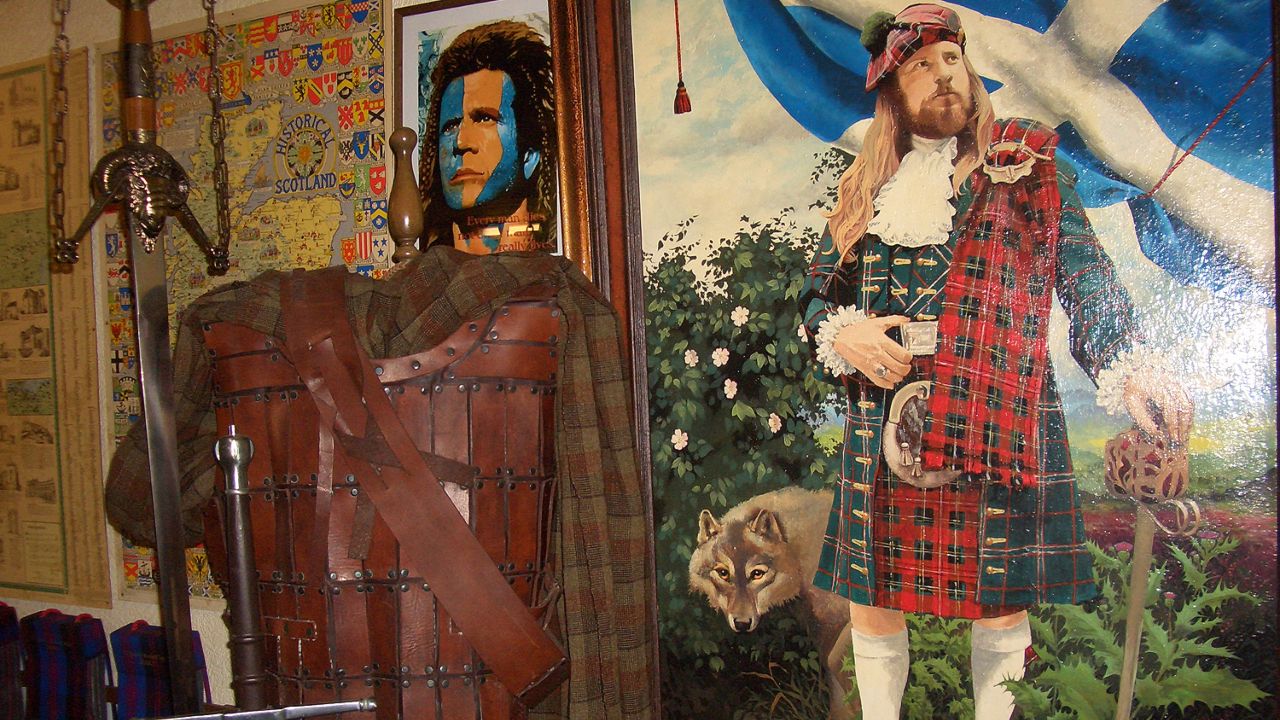
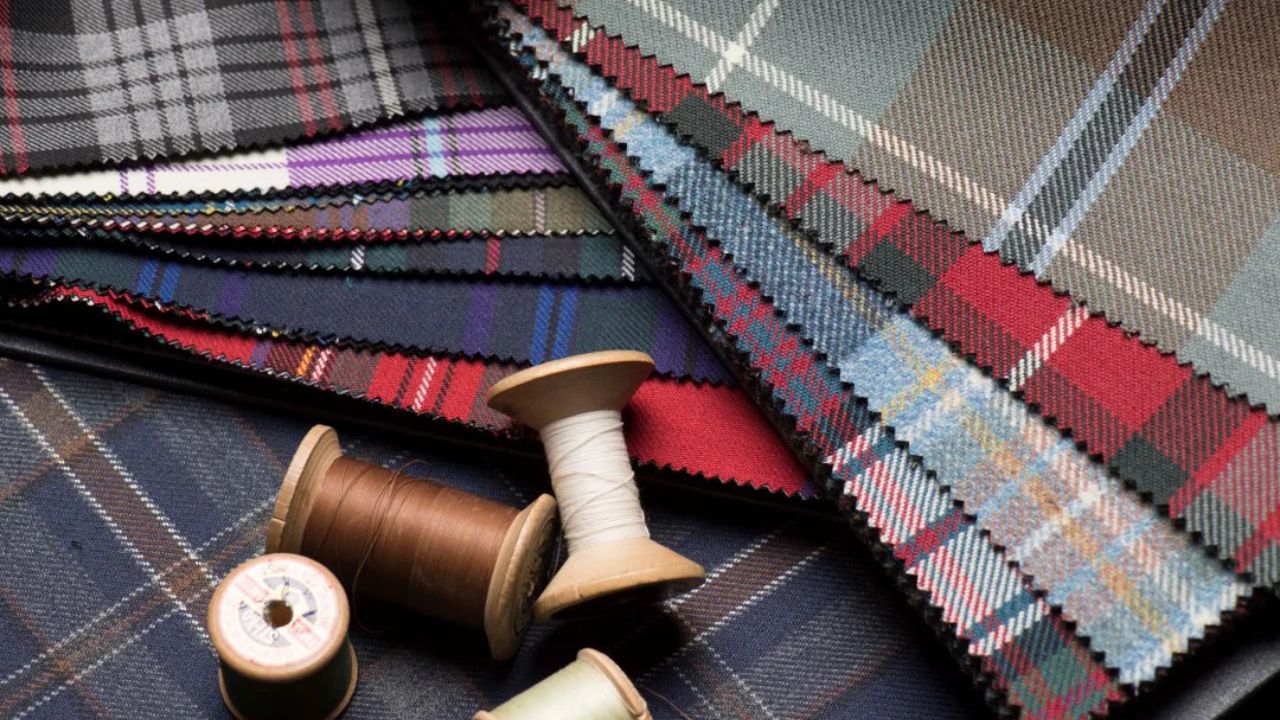
Unlike later clan systems, which used tartan to represent lineage (https://celtguide.com/what-is-tartan/), La Tène symbols operated more fluidly. They communicated shared values rather than strict genealogy.
This flexibility helped the style spread across regions while retaining coherence.
Influence on Later Celtic Art
La Tène art influenced later Insular Celtic styles seen in early medieval manuscripts, metalwork, and stone crosses. Although Christian symbolism entered the visual language, the love for intricate pattern and movement endured.
The same aesthetic sensibility appears in musical traditions, where melody flows rather than marches, as heard in instruments like the fiddle (https://celtguide.com/fiddle-music/).
La Tène principles shaped a long artistic lineage rather than a brief historical moment.
Modern Appreciation of La Tène Art
Today, museums, scholars, and artists continue to study and reinterpret La Tène art. Contemporary jewellery and tattoo designs often draw inspiration from its spirals and curves.
Cultural festivals and exhibitions celebrate this heritage as part of a broader Celtic revival. Such events keep ancient art visible within modern cultural life (https://celtguide.com/events-to-watch-in-highland-games-2025/).
La Tène art appeals because it feels timeless. It resists rigid meaning and rewards close attention.
Why La Tène Art Still Matters
La Tène art matters because it shows how a culture can think visually. It captures a philosophy rooted in movement, connection, and imagination. The style refuses stillness.
Through flowing lines and abstract forms, the Celts left behind a visual language that continues to speak across centuries.