Clans: Heritage, Identity, and Belonging in Celtic Culture
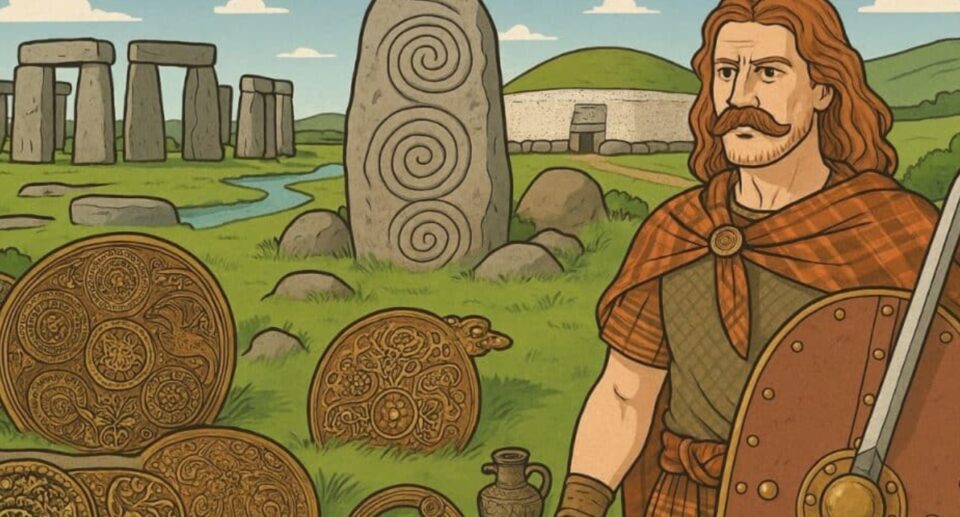
When we talk about Celtic identity, we often picture tartan, kinship, and fierce loyalty. At the heart of those ideas stands one powerful institution: the clan. I study Celtic history at the University of Edinburgh, and I still feel humbled every time I trace how clans shaped land, memory, and belonging.
Clans did not simply organize people. Clans created meaning. They linked families to territory, tradition, and story. And remarkably, they continue to do so.
What Exactly Is a Clan?
A clan began with a shared ancestor — sometimes historical, sometimes legendary. Over generations, families gathered under a chief, offered allegiance, and defended one another.
Clans included warriors, farmers, poets, craftsmen, and spiritual leaders. Outsiders could join through loyalty or marriage, which meant that clan identity depended more on commitment than biology.
If you ever wondered how many Scottish clans exist, you can explore that history here:
👉 How many Scottish clans?
Leadership, Honor, and Everyday Life
A clan chief guided decisions, resolved disputes, and protected territory. The bond worked both ways: people supported the chief, and the chief protected the people.
Honor mattered. So did hospitality. Visitors often arrived as strangers and left as trusted allies. These ethical expectations formed the backbone of daily life.
Music, storytelling, and ritual strengthened identity. To see how storytelling shaped Irish culture, you may enjoy:
👉 Why Are Irish People Natural Storytellers?
Symbols That Spoke Louder Than Words
Every clan carried symbols that felt like living memory.
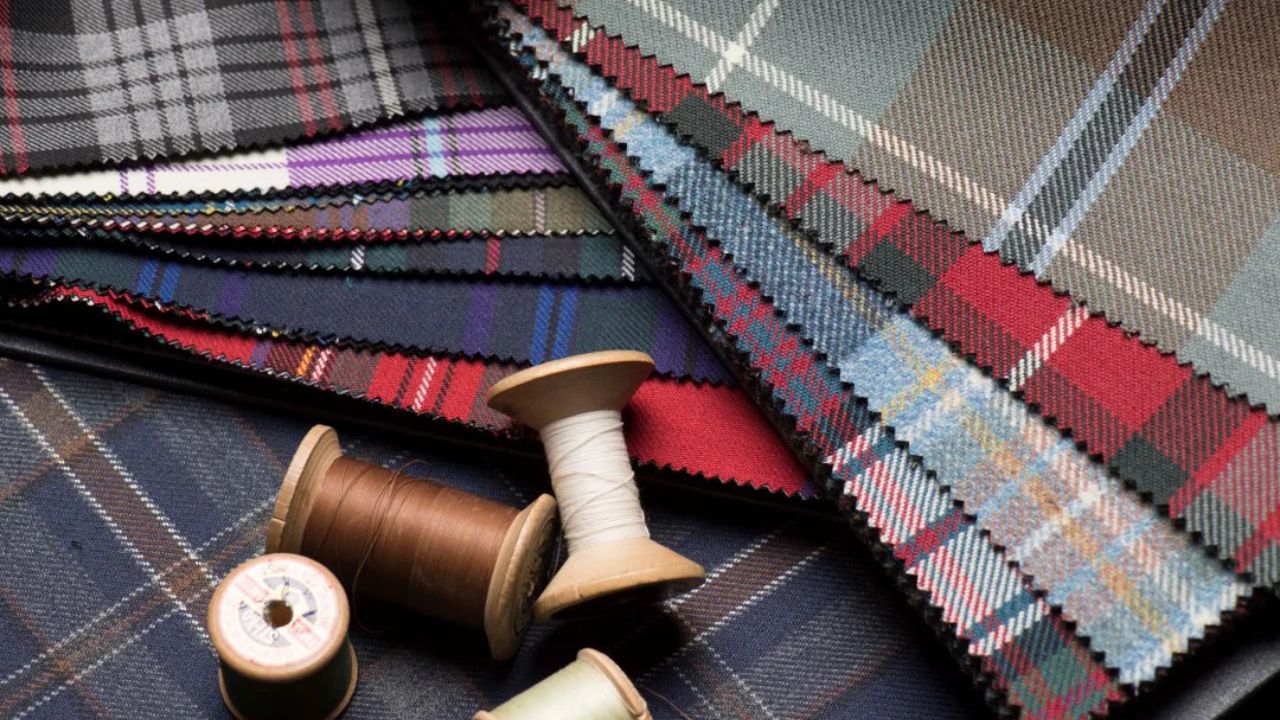
Tartan patterns signaled allegiance, ancestry, and pride. Learning to read tartan feels like learning a family language. You can dive deeper here:
👉 What Is Tartan?
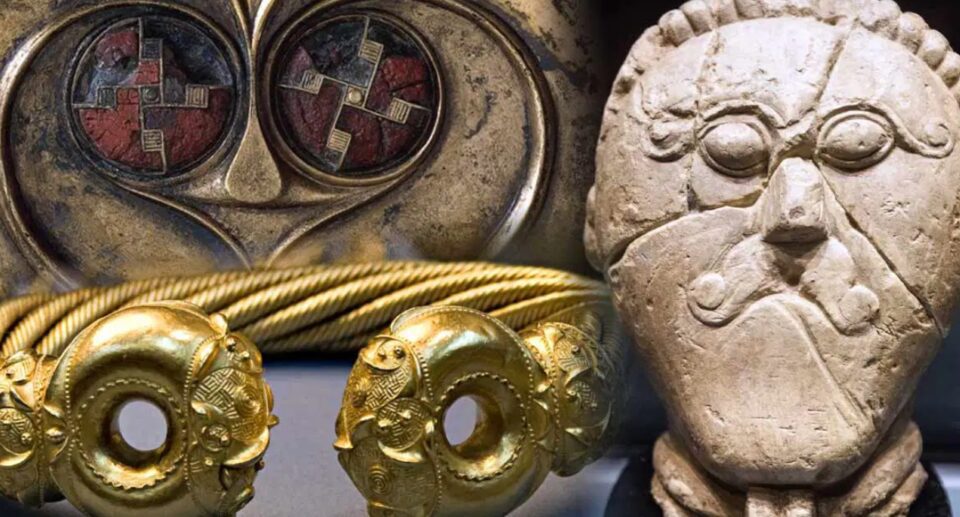
Jewelry also carried meaning. Rings, brooches, and crests served as promises of loyalty and love. One beautiful example appears in the Claddagh tradition:
👉 Claddagh Ring Meaning & Symbolism
Clans in Conflict and in Collaboration
Clans sometimes fought each other over territory or honor. But they also cooperated, forming alliances through marriages and treaties.
These networks built resilience. When famine or hardship struck, kinship ties offered protection — even when politics turned harsh.

To see how hardship shaped Irish communities, explore:
👉 The Influence of the Irish Potato Famine
Clans Today: Not Just the Past
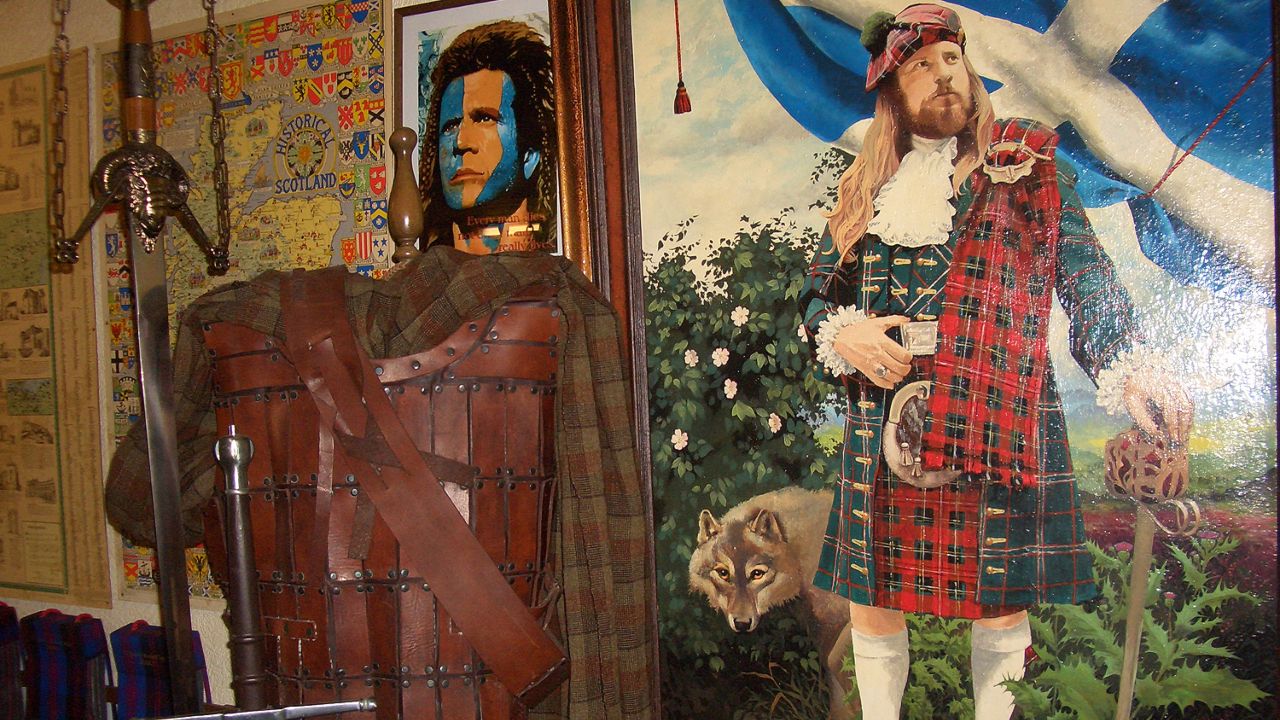
Visit a Highland Games celebration or clan gathering, and you’ll see something striking: clans still inspire people worldwide.
Descendants travel from far-off countries to stand on ancestral soil. They learn names, stories, and songs. They reconnect with something older than themselves — a lineage of courage, care, and community.

Curious where these traditions continue on the modern festival field? Take a look:
👉 Events to Watch in Highland Games 2025
Why Clans Still Matter
In a global world, clans remind us of something essential: we belong somewhere. Heritage anchors identity. Story preserves wisdom. Community gives us strength.
When we explore clan history, we don’t only look backward. We learn how connection shapes the future and how culture lives in the hearts of people who care for it.
If you want to continue exploring Celtic life, history, and landscapes, the full archive awaits here:
👉 Explore more on CeltGuide
Final Thought
Clans endure because they tell a story about loyalty, care, and shared memory. Whether your roots lie in the Highlands, the islands, or far beyond, the spirit of the clan invites you to remember — heritage is not relic. Heritage lives.