Irish Whistle Tunes: Melodies of Tradition and Memory
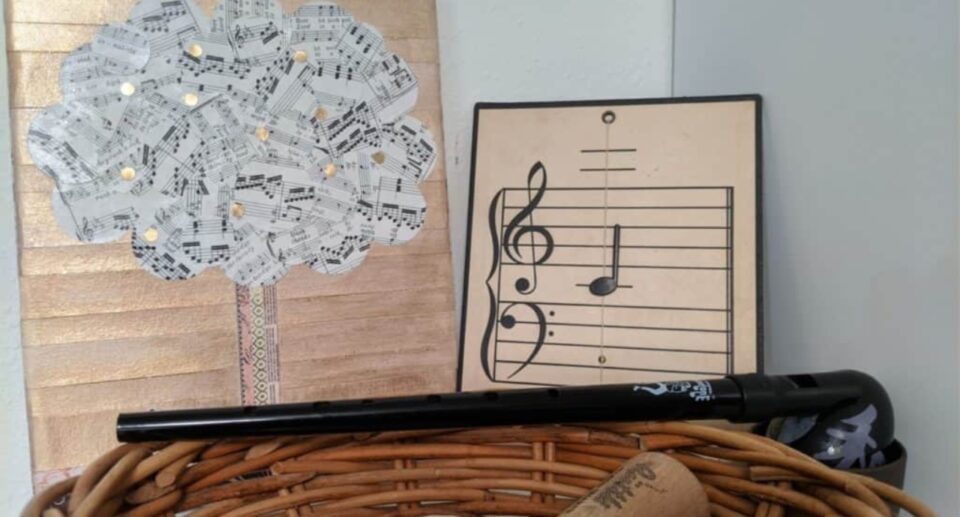
Irish whistle tunes travel lightly and speak clearly. A small instrument carries a vast musical world. From kitchens to crossroads, the whistle has shaped Irish soundscapes for centuries. Its tunes preserve rhythm, memory, and community in a form that invites everyone to listen and join.
What Are Irish Whistle Tunes?
Irish whistle tunes are melodies played on the tin whistle, a simple fipple flute with six holes. Despite its modest design, the whistle produces remarkable clarity and expression. Musicians favour it for speed, ornamentation, and portability.
Whistle tunes live within Ireland’s oral tradition. Players learn them by listening rather than reading. This method mirrors Ireland’s storytelling culture, where knowledge passes through voice and memory instead of text (https://celtguide.com/why-are-irish-people-natural-storytellers/).
A Brief History of the Tin Whistle in Ireland
Metal whistles became common in Ireland during the nineteenth century. Factories produced them cheaply, which placed music within reach of working families. The whistle spread quickly through rural and urban communities.
During periods of hardship, including the years following the Great Famine, music offered continuity and comfort. Tunes crossed oceans with emigrants, much like other Irish cultural expressions shaped by loss and resilience (https://celtguide.com/the-influence-of-the-irish-potato-famine/).
Types of Irish Whistle Tunes
Irish whistle music follows clear tune families. Each serves a social purpose.
Reels
Reels move fast and drive energy. Players use them in dances and lively sessions. Crisp articulation defines the style.
Jigs
Jigs carry a lilting rhythm. They often feel playful and light. Many beginners start here because the rhythm teaches phrasing.
Hornpipes
Hornpipes sound slower and more deliberate. They suit solo playing and step dancing.
Airs
Airs slow the pace. They express emotion and memory. Whistle players treat them with restraint and care, allowing space between notes.
These tune types also appear in other Irish instruments, including the fiddle, which shares much of the same repertoire (https://celtguide.com/fiddle-music/).

Ornamentation and Style
Whistle players rely on ornamentation to shape tunes. Cuts, taps, and rolls add texture and rhythm. These techniques do not decorate the tune. They define it.
Style varies by region and player. Some favour clean, sparse phrasing. Others prefer dense ornamentation. This flexibility keeps the tradition alive and personal, much like regional variation found in other Celtic art forms such as stone symbolism (https://celtguide.com/celtic-stone-carvings/).
The Whistle in Sessions and Ceilí Culture
Irish whistle tunes thrive in sessions. Musicians gather informally in pubs or homes. The whistle blends easily with other instruments, including the bodhrán, which anchors rhythm and pulse (https://celtguide.com/the-bodhran-drum/).
Ceilí bands also feature the whistle, especially for dance sets. The instrument’s bright tone cuts through crowded rooms without overpowering others (https://celtguide.com/ceili-bands/).

Learning Irish Whistle Tunes Today
Modern learners benefit from recordings, workshops, and festivals. Yet listening remains central. Many players still learn tunes by ear, slowing recordings and repeating phrases.
Festivals dedicated to Irish music encourage this exchange. Events similar in spirit to major cultural gatherings reinforce shared learning and performance (https://celtguide.com/events-to-watch-in-highland-games-2025/).
The whistle’s accessibility also makes it a common first instrument for children. It introduces them to rhythm, pitch, and tradition early.
Cultural Meaning of Whistle Tunes
Irish whistle tunes do more than entertain. They hold stories of place and people. Some tunes reference towns, landscapes, or events. Others connect to myth and memory, echoing deeper Celtic themes found across folklore (https://celtguide.com/what-is-annwn/).
In this way, music becomes a form of cultural archive. It stores history in sound rather than text.
Why Irish Whistle Tunes Endure
Irish whistle tunes endure because they welcome participation. They do not demand virtuosity before enjoyment. A simple instrument invites a lifelong conversation with tradition.
As long as people gather, listen, and play, the whistle will continue to speak.