Irish Turf Fire Traditions: Warmth, Memory, and the Heart of the Home
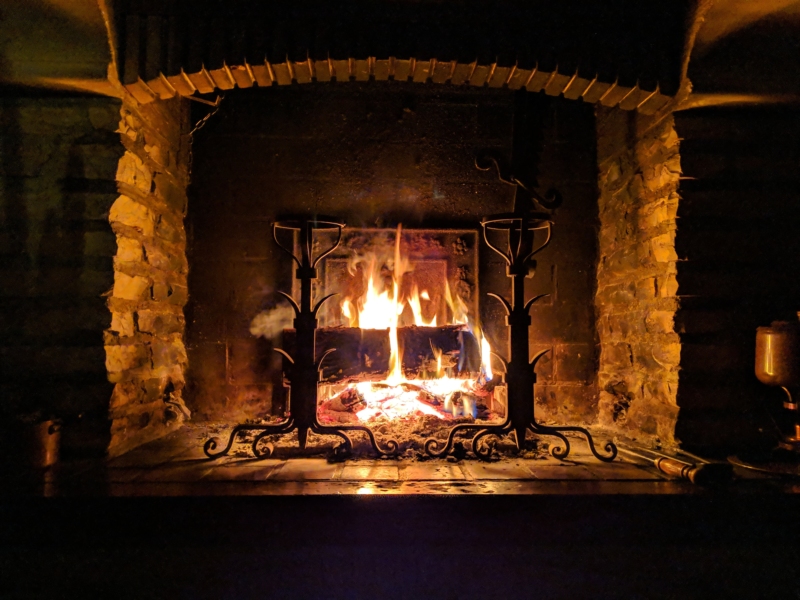
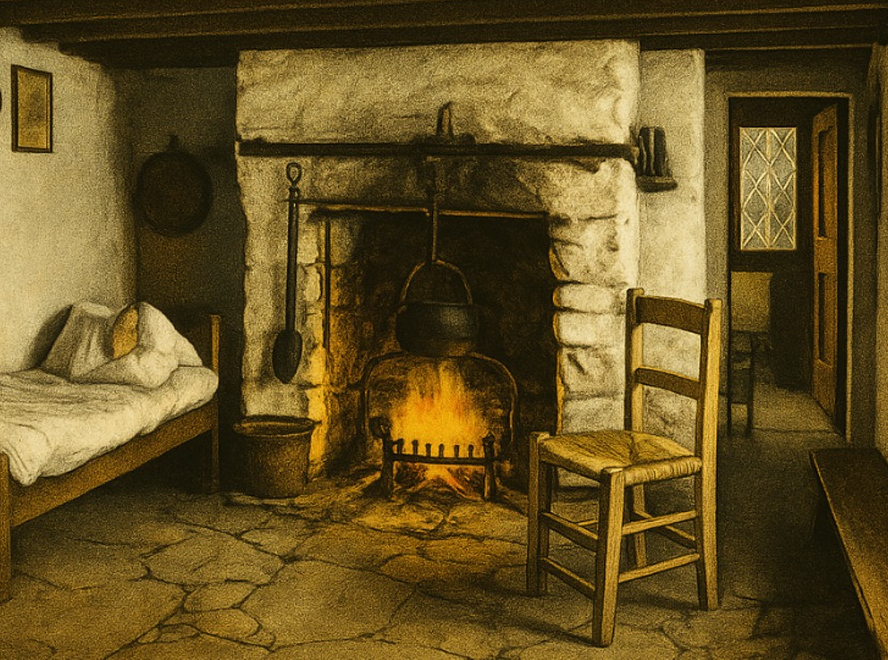
Few images feel as deeply Irish as a turf fire glowing on a stone hearth. The smell of burning peat, slow and earthy, carries memory as much as heat. For generations, turf fires warmed homes, cooked meals, and gathered families together.
As a cultural historian, I see the turf fire as more than fuel. It formed the emotional centre of rural Irish life. Around it, stories unfolded, songs emerged, and identity took shape.
What Is Turf and Why Did It Matter in Ireland?
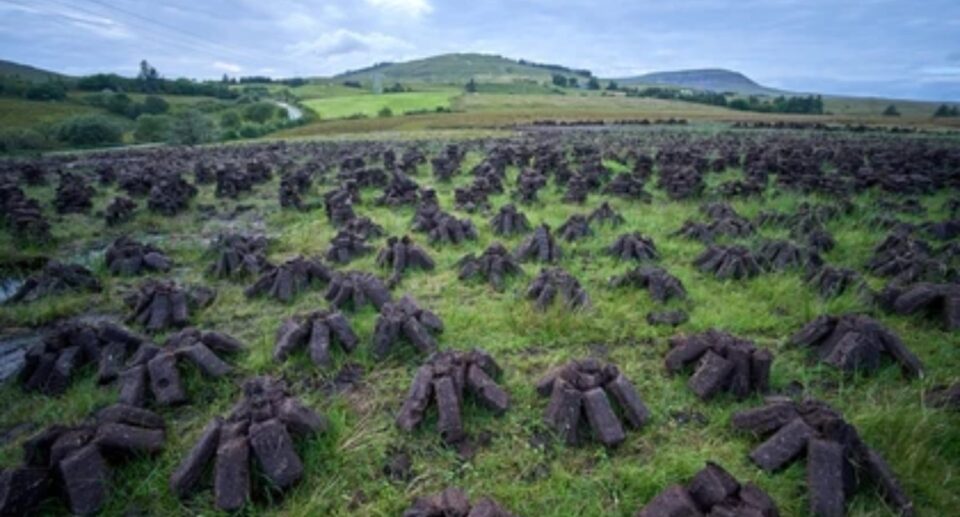
Turf, also known as peat, comes from partially decayed vegetation cut from bogs. In Ireland, boglands offered a reliable energy source where wood remained scarce. Communities relied on turf for centuries.
Cutting turf demanded skill and timing. Families harvested it in summer, dried it in stacks, and stored it for winter. This seasonal rhythm shaped rural calendars.
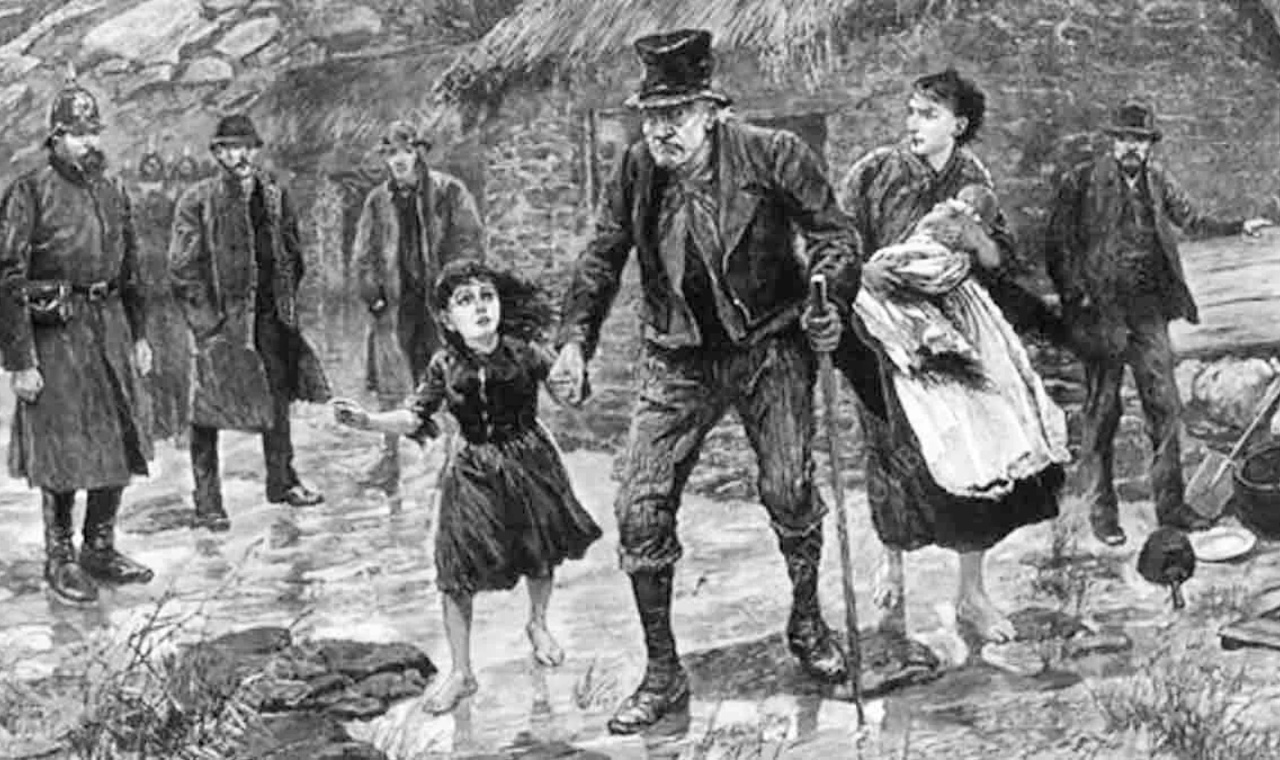
For insight into how hardship shaped Irish rural life, see The Influence of the Irish Potato Famine.
The Hearth as the Centre of Irish Life
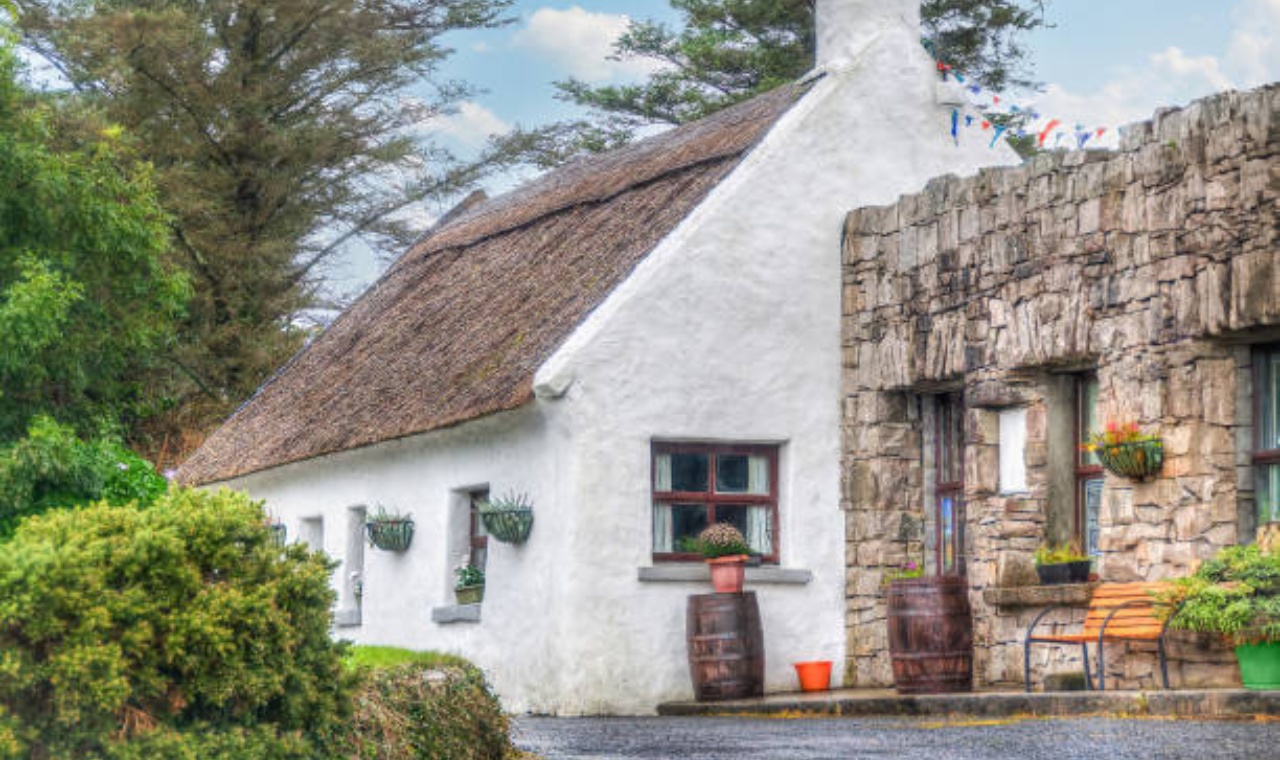
In traditional homes, the hearth served as the heart of the house. People cooked, talked, prayed, and rested beside the turf fire. Elders shared local history there, while children learned by listening.
This storytelling culture connects strongly with themes explored in Why Are Irish People Natural Storytellers?. The fire created space for memory to pass between generations.
Rituals and Beliefs Around Turf Fires
Irish folklore surrounds the hearth with meaning. People treated fire with respect, never casually extinguishing it. On certain nights, families carefully banked the embers to last until morning.
Some customs linked turf fires with protection and blessing. Embers symbolised continuity, especially during seasonal transitions and holy days. These practices echo Ireland’s deep spiritual landscape, also reflected in Irish Holy Wells.
Music, Story, and Sound by the Fire
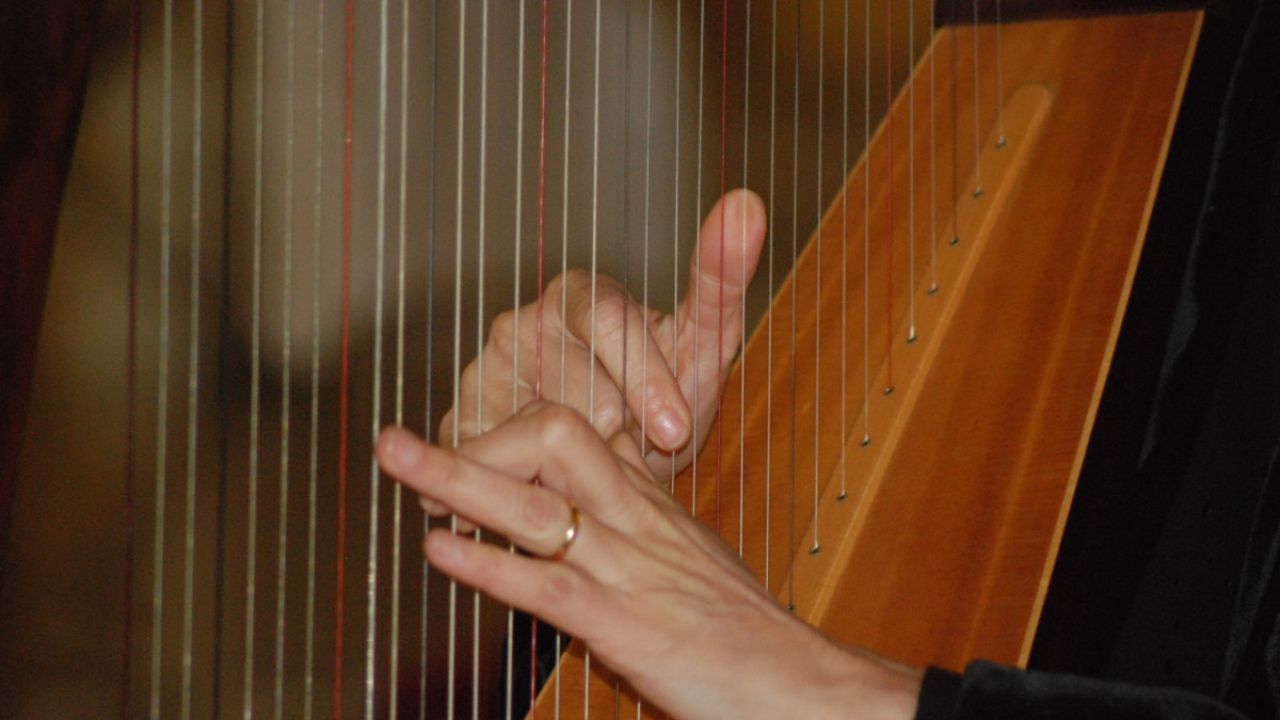
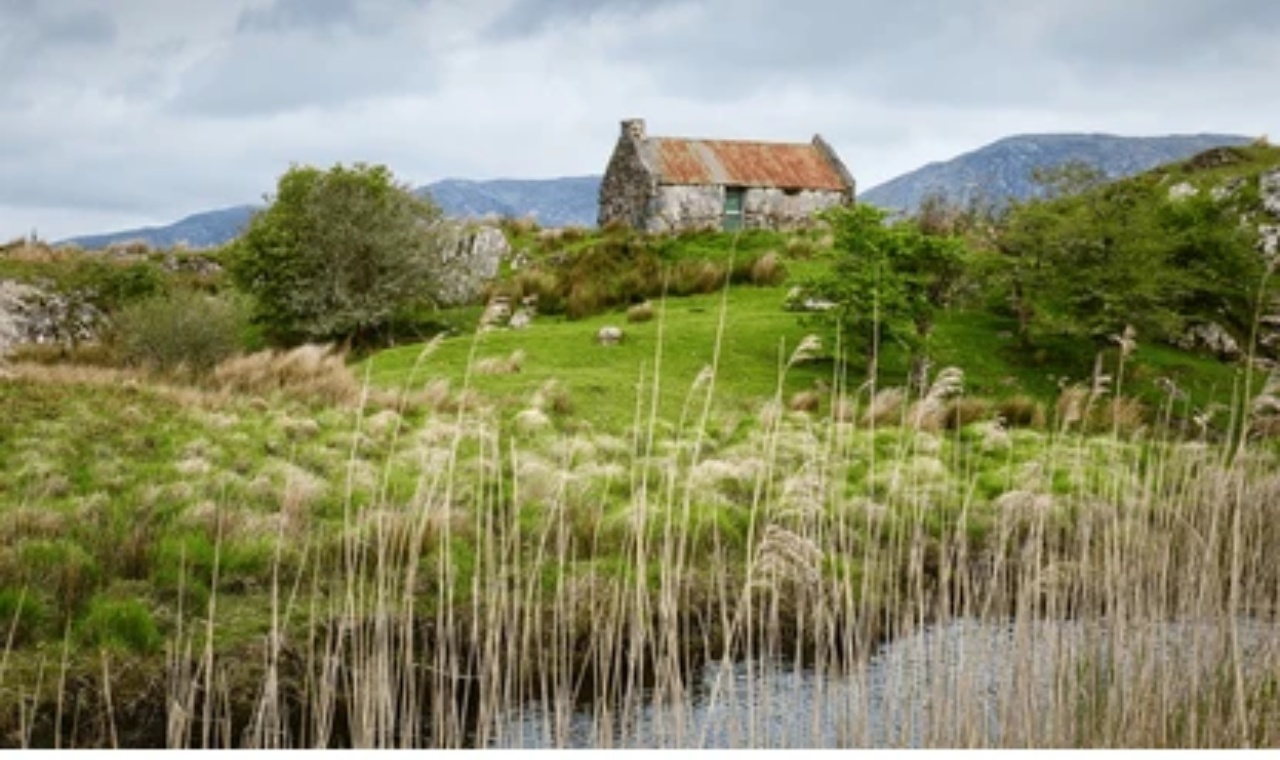
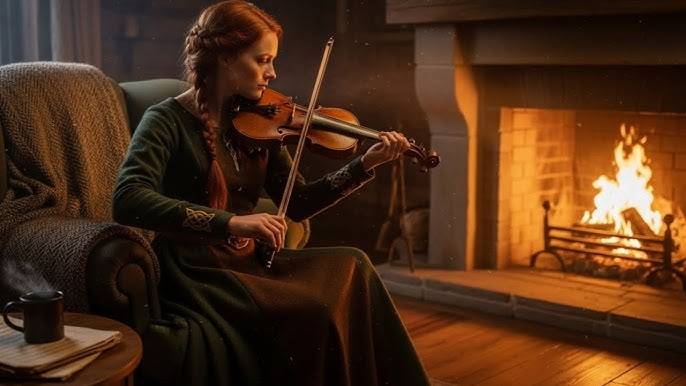
Evenings by the turf fire often included music. Simple melodies filled kitchens and cottages. Instruments like the fiddle or bodhrán accompanied songs shaped by place and memory.
This intimate musical setting connects closely with Irish traditions discussed in Fiddle Music and The Bodhrán Drum. Performance remained communal, not staged.
Turf Fires and Rural Craft Traditions
The turf fire also supported daily work. Women spun wool near the hearth. Men repaired tools and nets by firelight. Children learned skills through observation.
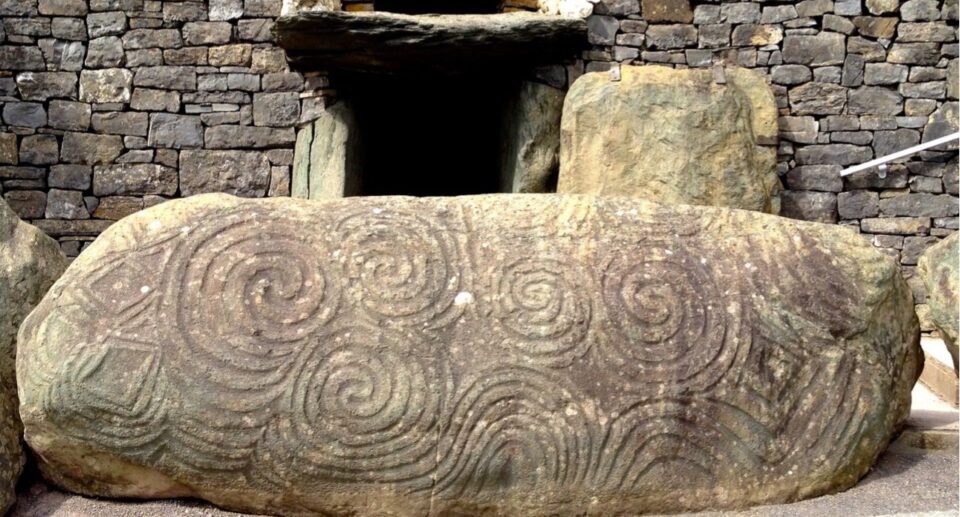
This domestic craft culture mirrors other forms of material heritage, such as stonework discussed in Celtic Stone Carvings. The fire allowed tradition to live through practice, not preservation.
Change, Environment, and Modern Ireland
Today, turf cutting faces environmental regulation. Concerns about climate impact and bog preservation shape new policies. Many Irish homes now rely on modern heating.
Yet turf fires remain powerful symbols. Some households still light them for special occasions. Others keep the memory alive through story and song.
This tension between tradition and modern responsibility reflects Ireland’s wider journey through change.
Why Irish Turf Fire Traditions Still Matter
The turf fire represents more than warmth. It symbolises resilience, community, and shared memory. Even when the fire no longer burns daily, its meaning endures.
To sit by a turf fire meant to belong. It meant listening, remembering, and staying connected. That cultural legacy still glows, even as the embers fade.