The Irish Role in the Catholic Church: Faith, Influence, and Legacy

Faith has long been a cornerstone of Irish identity. From the early days of Celtic Christianity to modern Catholic devotion, Ireland’s bond with the Church runs deep. The Irish didn’t just follow the faith, they helped shape it. Their missionaries carried Christianity across Europe, their scholars preserved sacred texts, and their traditions gave Catholicism a poetic soul.
The Beginnings: Saint Patrick and the Celtic Conversion
When we speak of Ireland’s Christian heritage, Saint Patrick stands at its heart. Arriving in the 5th century, Patrick’s mission transformed Ireland from a land of druids to one of deep spiritual conviction.
Patrick used symbols familiar to the Celts like the shamrock, to explain Christian doctrine. His approach blended faith with culture, creating a uniquely Irish form of Christianity. Today, his life and mission are celebrated worldwide, most vibrantly on Saint Patrick’s Day.
Monks and Missionaries: Ireland’s Spiritual Ambassadors
After Patrick’s era, Irish monks became the spiritual backbone of Europe. During the so-called Dark Ages, when much of the continent lost written knowledge, Ireland became known as “The Island of Saints and Scholars.”

Irish monasteries preserved both Christian texts and classical learning. Figures like Saint Columba and Saint Columbanus carried the Irish faith abroad, founding monasteries in Scotland, France, and Italy. These centers became hubs of education, prayer, and art.
The intricate designs of Celtic stone carvings and illuminated manuscripts, such as the Book of Kells, show how Irish artistry fused with devotion. (Learn more about this creative tradition in Celtic Stone Carvings.)
Faith in Everyday Life: Religion and Identity
For centuries, Catholicism was not just a religion in Ireland—it was part of the nation’s identity. Under English rule, when the Penal Laws restricted Catholic worship, faith became an act of quiet resistance. Mass was often celebrated in secret on open fields or near sacred wells. (See Irish Holy Wells for more on these sacred spaces.)

The Church held communities together during hardship, including during the Great Famine. As discussed in The Influence of the Irish Potato Famine, priests offered not only spiritual guidance but also comfort and organization for struggling families.
Irish Missionaries and the Global Church
In the 19th and 20th centuries, Ireland became one of the largest exporters of Catholic missionaries. From Africa to the Americas, Irish priests, nuns, and brothers built schools, hospitals, and churches.
Their legacy shaped Catholic education across continents. The Irish approach to faith—compassionate, community-centered, and story-driven, left an enduring mark. It echoed Ireland’s own gift for storytelling, something deeply tied to its culture (see more in Why Are Irish People Natural Storytellers?).
The Catholic Church and Cultural Revival
Even as Ireland modernized, the Church remained a symbol of unity. Many cultural festivals and music traditions carried religious roots. The haunting rhythm of the Bodhrán drum once echoed through sacred celebrations, while hymns and prayers kept the Gaelic language alive.

Catholic parishes also played a role in Ireland’s Gaelic Revival, supporting schools that taught the Irish language and heritage. Through art, music, and devotion, religion became a vessel for national identity.
Modern Ireland: Faith in Transition
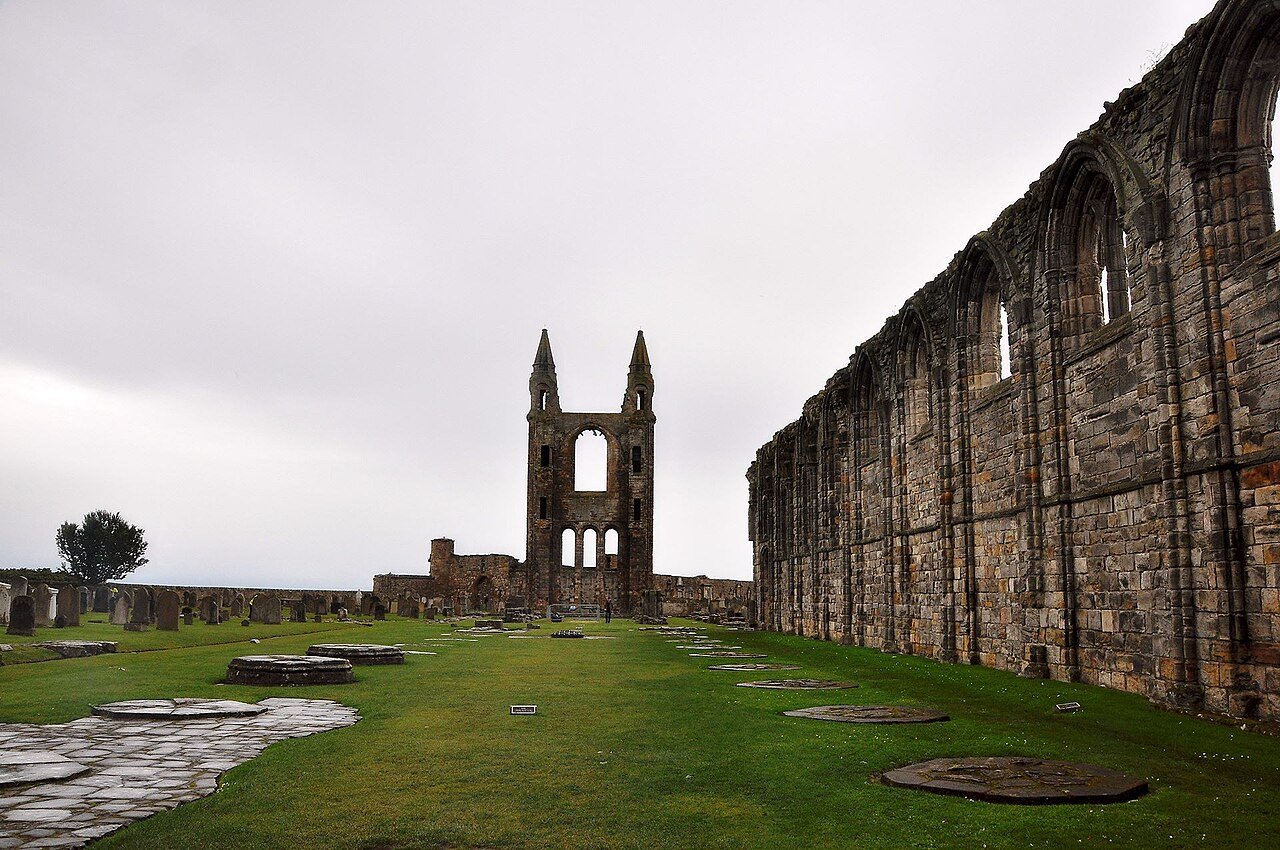
Today, Ireland’s relationship with the Catholic Church is evolving. While fewer people attend Mass weekly, the spiritual influence remains strong. Churches, ancient abbeys, and holy wells still draw pilgrims. The Irish continue to honor their faith, not through strict observance but through cultural memory and moral connection.

Many Irish people express faith through community acts, storytelling, and cultural preservation. The moral and artistic heritage of Catholicism still shapes Ireland’s music, literature, and values.
Conclusion: The Enduring Faith of Ireland
The Irish role in the Catholic Church is a story of devotion, endurance, and creativity. From Saint Patrick’s first sermon to the missionaries who crossed oceans, the Irish made faith a living art.
Even today, Catholicism in Ireland is more than belief, it’s the rhythm of compassion, the beauty of ritual, and the echo of history in every prayer and song. Ireland didn’t just embrace the Church; it helped shape its heart.