Irish Nationalism and Cultural Pride: The Spirit That Shaped a Nation

Ireland’s story is one of heart, heritage, and defiance. From its ancient Celtic roots to the modern Republic, Irish nationalism has always carried a deep sense of cultural pride. It’s not just about politics, it’s about belonging, identity, and the songs that refuse to fade.
The Birth of Irish Nationalism: More Than a Political Struggle
Irish nationalism began as a longing for freedom but quickly became a cultural movement. For centuries, foreign rule tried to silence Irish voices, language, and tradition. Yet, the Irish spirit never yielded.
Storytelling became the heart of resistance. Folklore and oral traditions helped preserve Ireland’s collective memory. As explored in Why Are Irish People Natural Storytellers?, storytelling was not just entertainment—it was an act of survival, a way to remember who the Irish were when their language and land were under threat.
The Gaelic Revival: Reclaiming a Forgotten Voice
By the late 1800s, the Irish cultural revival had gained powerful momentum. Known as the Gaelic Revival, this movement sought to breathe life back into the Irish language, literature, and music.

The Gaelic League, founded in 1893, played a major role. Its mission was to promote Irish speech, Gaelic games, and traditional arts. Writers and poets found inspiration in Celtic mythology, legends like that of Lugh, the Celtic Sun God became metaphors for enlightenment and rebirth.
Symbols of Irish Identity: Music, Language, and Art
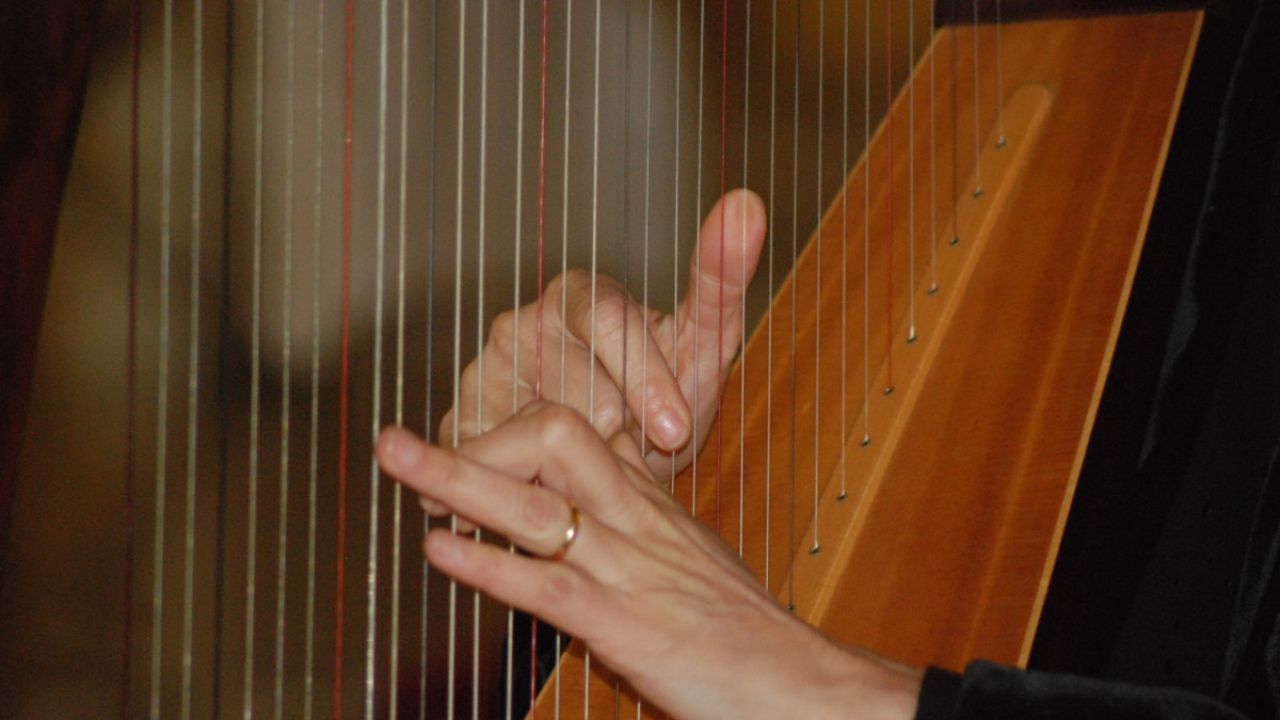
In Ireland, every song and symbol tells a story. The Irish harp, also known as the Clarsach, stands as one of the oldest emblems of Irish pride. It represents continuity and resilience. Similarly, the rhythmic beat of the Bodhrán drum echoes the pulse of Ireland’s cultural heart.

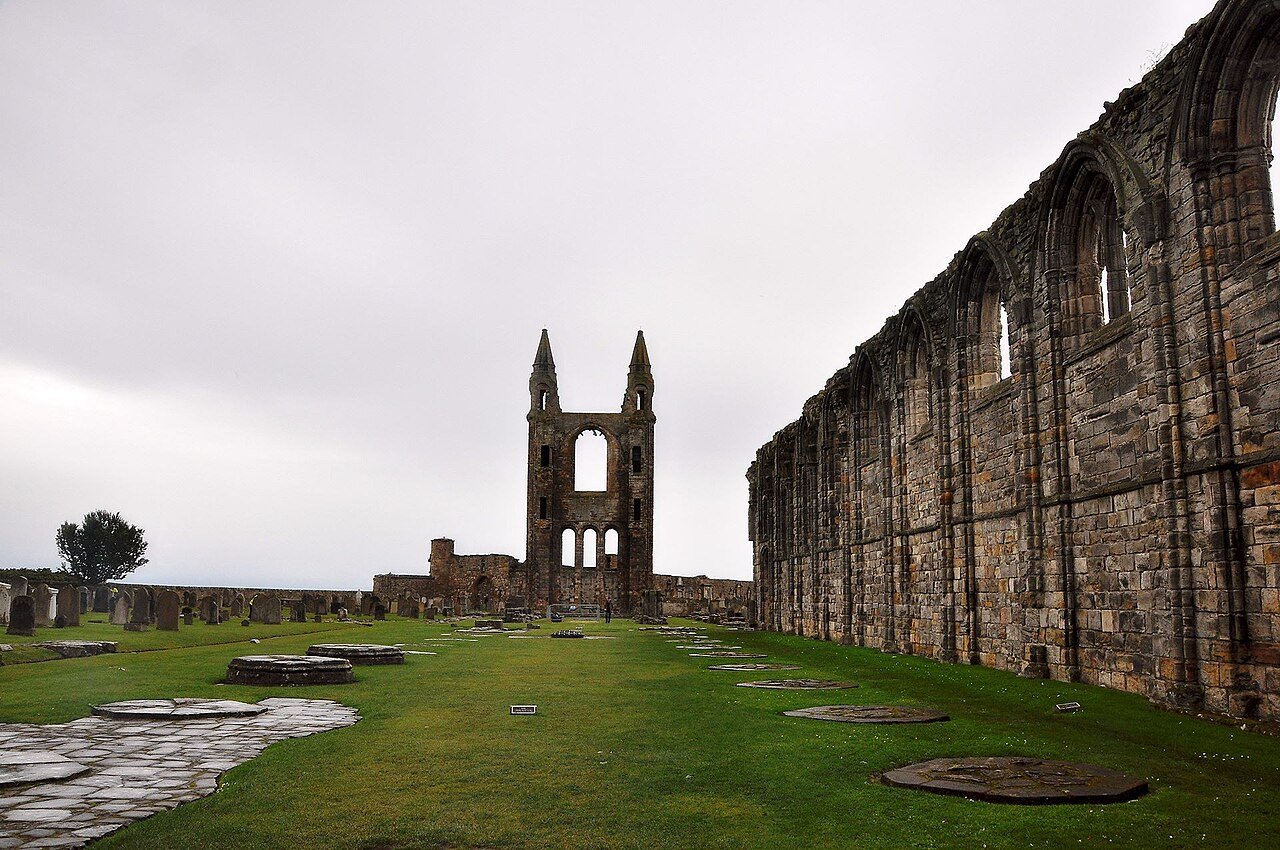
Language also played a vital role. The Irish tongue (Gaeilge) became a symbol of defiance and connection. Communities began to teach Gaelic again, and poets wrote in the language of their ancestors. Meanwhile, visual art from Celtic stone carvings (see here) to illuminated manuscripts linked Ireland’s modern spirit to its ancient past.
Nationalism in Everyday Life
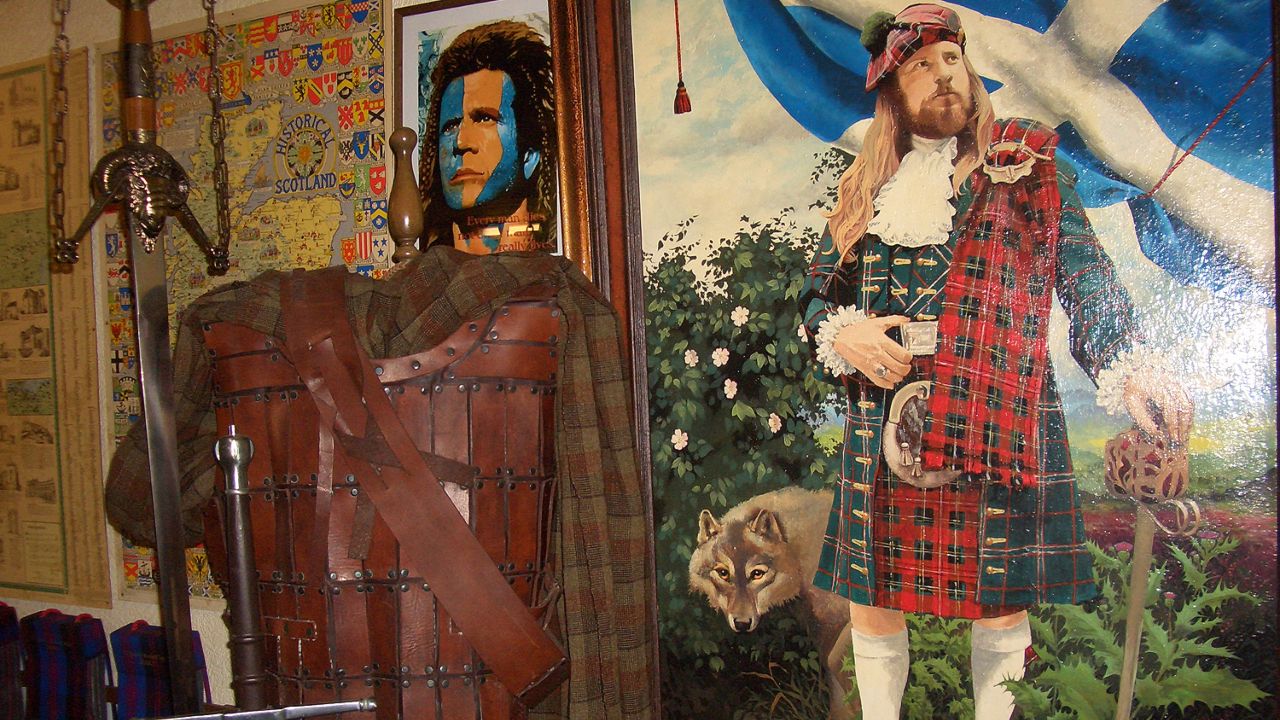
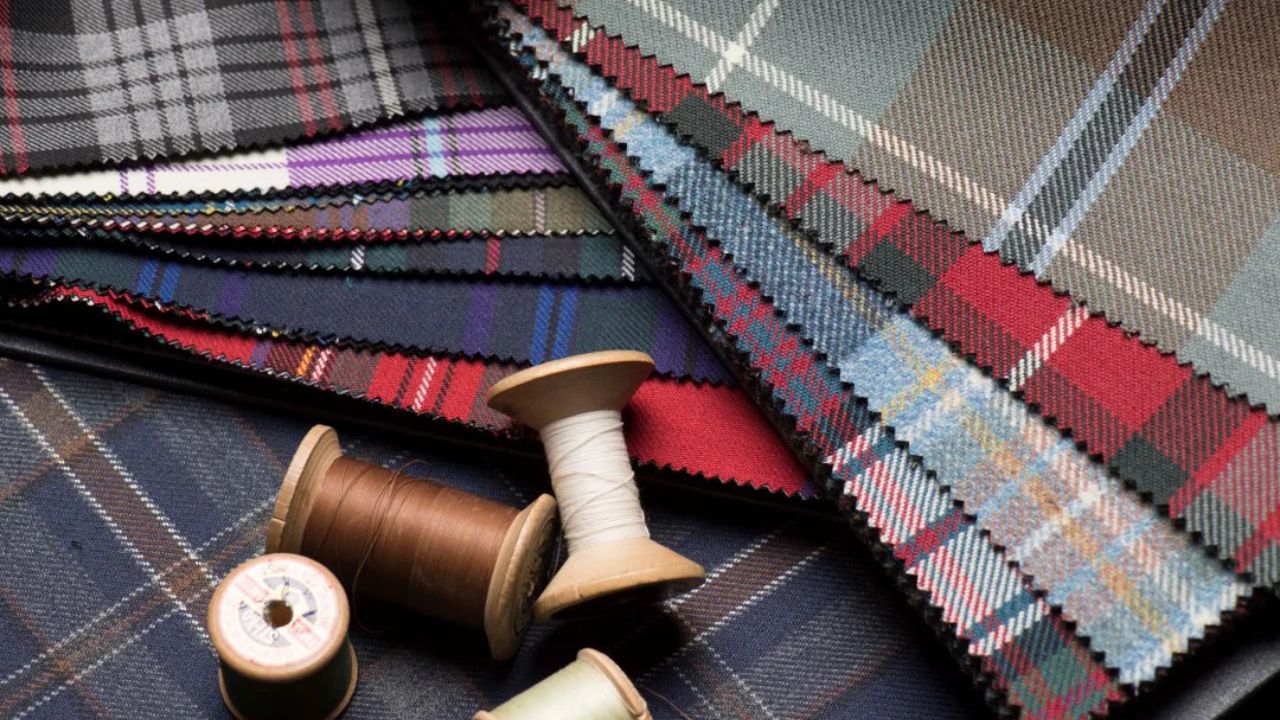
Irish nationalism wasn’t confined to parliaments or battlefields—it lived in homes and hearts. It thrived in songs sung at family gatherings, in traditional garments like the Irish kilt, and in the vibrant parades of Saint Patrick’s Day.

These daily expressions of culture transformed nationalism into something deeply personal. Wearing tartan, playing Irish music, or speaking Gaelic became small yet powerful acts of pride.
Resilience Through Hardship: Lessons from the Irish Famine
No discussion of Irish nationalism is complete without acknowledging the immense suffering of the Great Famine. As seen in The Influence of the Irish Potato Famine, that tragedy reshaped the Irish psyche. Millions suffered, yet the people emerged stronger, united by shared loss and collective determination.
In the years that followed, the memory of hunger fueled a deeper pride. It inspired the Irish to preserve their culture so that no hardship could erase their identity again.
Modern Irish Pride: A Living Flame
Today, Irish nationalism takes new forms. It’s seen in festivals, Gaelic education, and a flourishing arts scene. Modern musicians, poets, and writers carry forward the same cultural torch that once guided revolutionaries.

Irish pride is no longer about rebellion, it’s about celebration. Whether it’s through Celtic designs, Gaelic phrases, or traditional music, the spirit of Ireland continues to unite people across the world.
Conclusion: The Soul of a Nation Lives On
Irish nationalism gave birth to more than independence, it revived a soul. Through centuries of hardship, Ireland found power in its culture. Each harp string, Gaelic word, and Celtic carving whispers a simple truth: Irish pride never fades.
It lives in the laughter of storytellers, in the rhythm of the drum, and in the heart of every person who calls Ireland home.