Irish New Year’s Eve Customs (Oíche Chinn Bliana)

In Ireland, New Year’s Eve; Oíche Chinn Bliana is more than fireworks and countdowns. It’s a night steeped in Celtic symbolism, echoing ancient beliefs that blend the mystical and the practical. Long before modern celebrations, the Celts saw this night as a threshold between the old and the new, when spirits and blessings flowed freely across worlds.
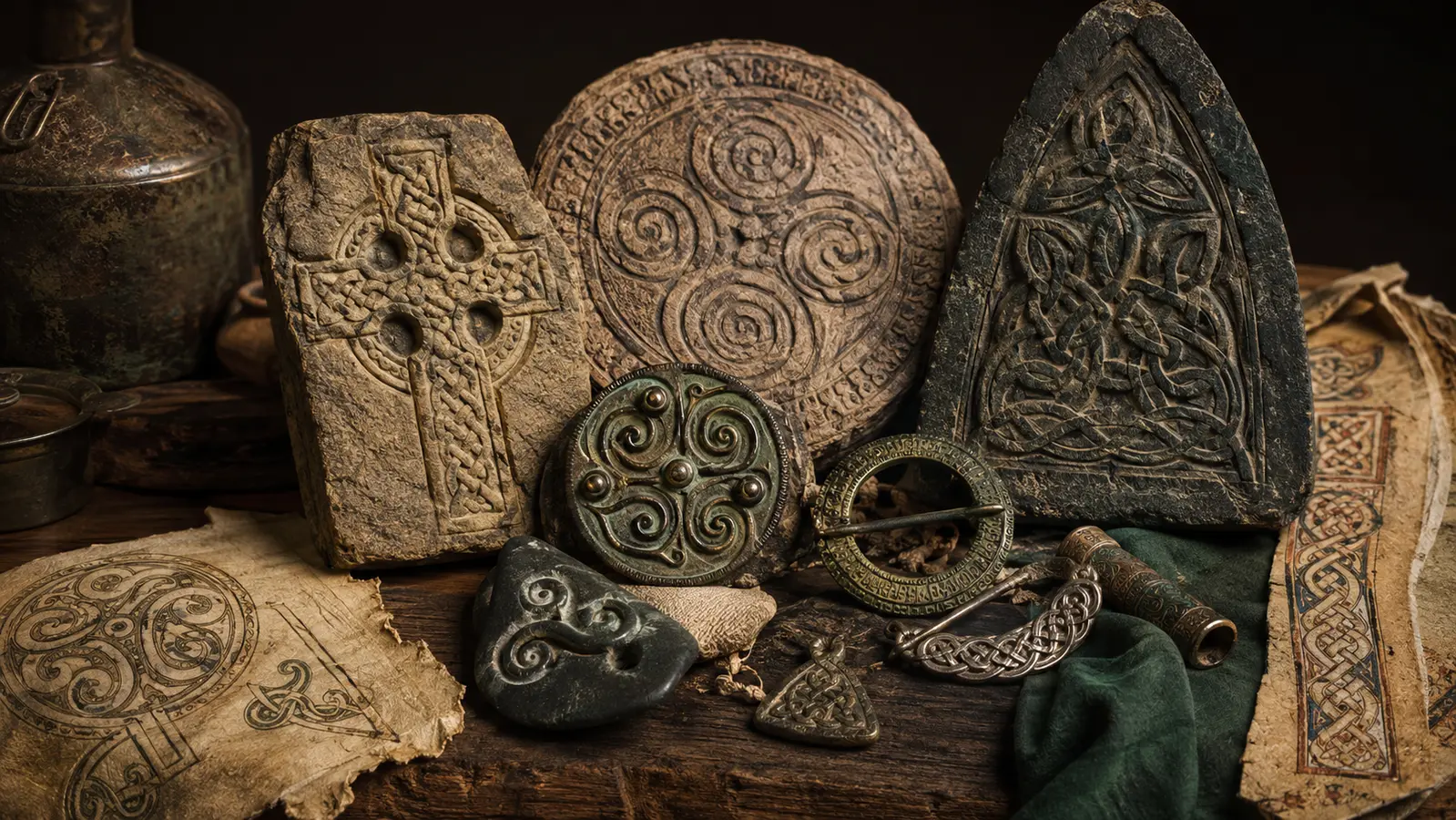
Much like the reverence shown in Celtic stone carvings, every New Year’s custom held deep spiritual meaning, meant to cleanse the home and soul for the coming year.
Sweeping Out the Old Year
One of the most enduring Irish customs involves a symbolic house cleaning. Families sweep the floors and scrub every corner, not just for tidiness but to sweep away bad luck. The act represents renewal, leaving behind hardship and welcoming new blessings.
Some households even open the front door at midnight, inviting in good fortune and letting out the remnants of misfortune. It’s a moment both simple and sacred, much like the quiet respect shown in Irish Holy Wells.

Bread as a Blessing of Plenty
A particularly unique tradition is the banging of bread against the doors and walls. Far from wasteful, this act was believed to ward off hunger and invite abundance. The bread symbolized life’s staple, its sound, a charm to drive away evil spirits or famine.
In a land marked by hardship like the Irish Potato Famine, this tradition carried profound cultural resonance. It wasn’t superstition, it was survival mixed with faith.

The First Footer: Who Enters First Matters
A central part of Oíche Chinn Bliana is the First Footer tradition, the first person to cross a home’s threshold after midnight. Ideally, it should be a dark-haired man bringing gifts such as bread or coal, representing prosperity and warmth for the year ahead.
Red-haired visitors were once considered unlucky (a reflection of old superstitions, not modern belief), while those carrying empty hands symbolized scarcity. The First Footer’s arrival mirrored the symbolic power of first encounters that shaped many Celtic customs.
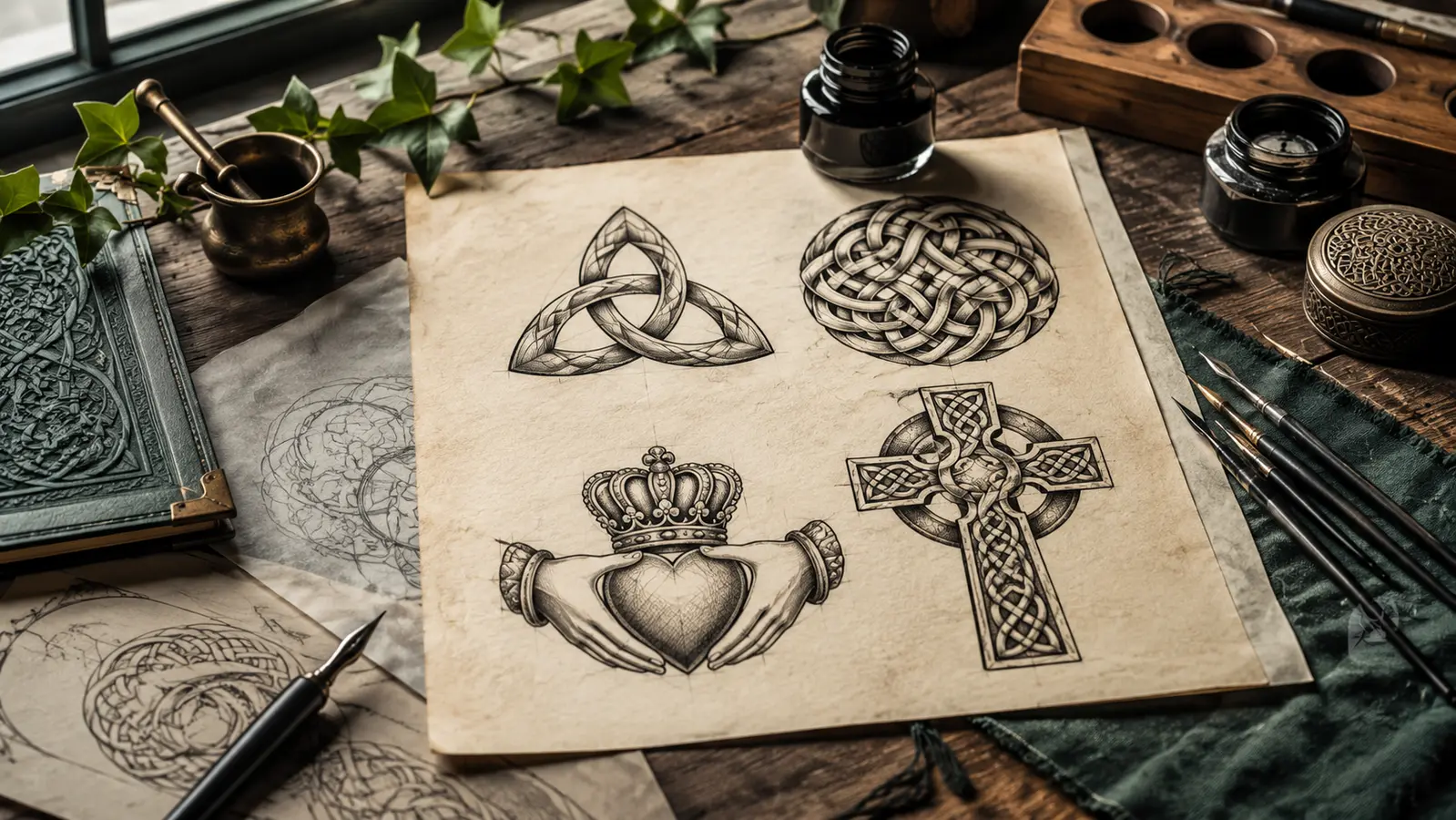
To the Irish, beginnings matter. A theme shared with the reverence for symbols like the Claddagh Ring (read more here).

Remembering the Departed
As the bells ring in the New Year, many Irish families set an extra place at the dinner table or leave the door unlatched for ancestors’ spirits. It’s a gentle invitation, saying, “You’re remembered, even as we move forward.”
This deep sense of ancestral connection runs through Irish identity, echoing the respect for heritage seen in Celtic Sun God Lugh and ancient Irish myths.
Oíche Chinn Bliana, then, is both celebration and commemoration, a bridge between those who came before and those yet to come.

Dreaming of the Year Ahead
Love, luck, and marriage have always been favorite themes of Irish lore. On New Year’s Eve, unmarried women placed mistletoe or holly under their pillows, hoping to dream of their future husbands. Others believed dreams that night carried prophetic meaning for the year ahead.
This fascination with foresight connects with the poetic spirit of Irish storytelling, gift explored beautifully in Why Are Irish People Natural Storytellers?.
A Celebration of Continuity and Hope
Oíche Chinn Bliana is not just about looking forward; it’s about honoring continuity. Each sweep of the broom, knock of bread, and candle lit for ancestors reminds Ireland that every ending births a beginning.
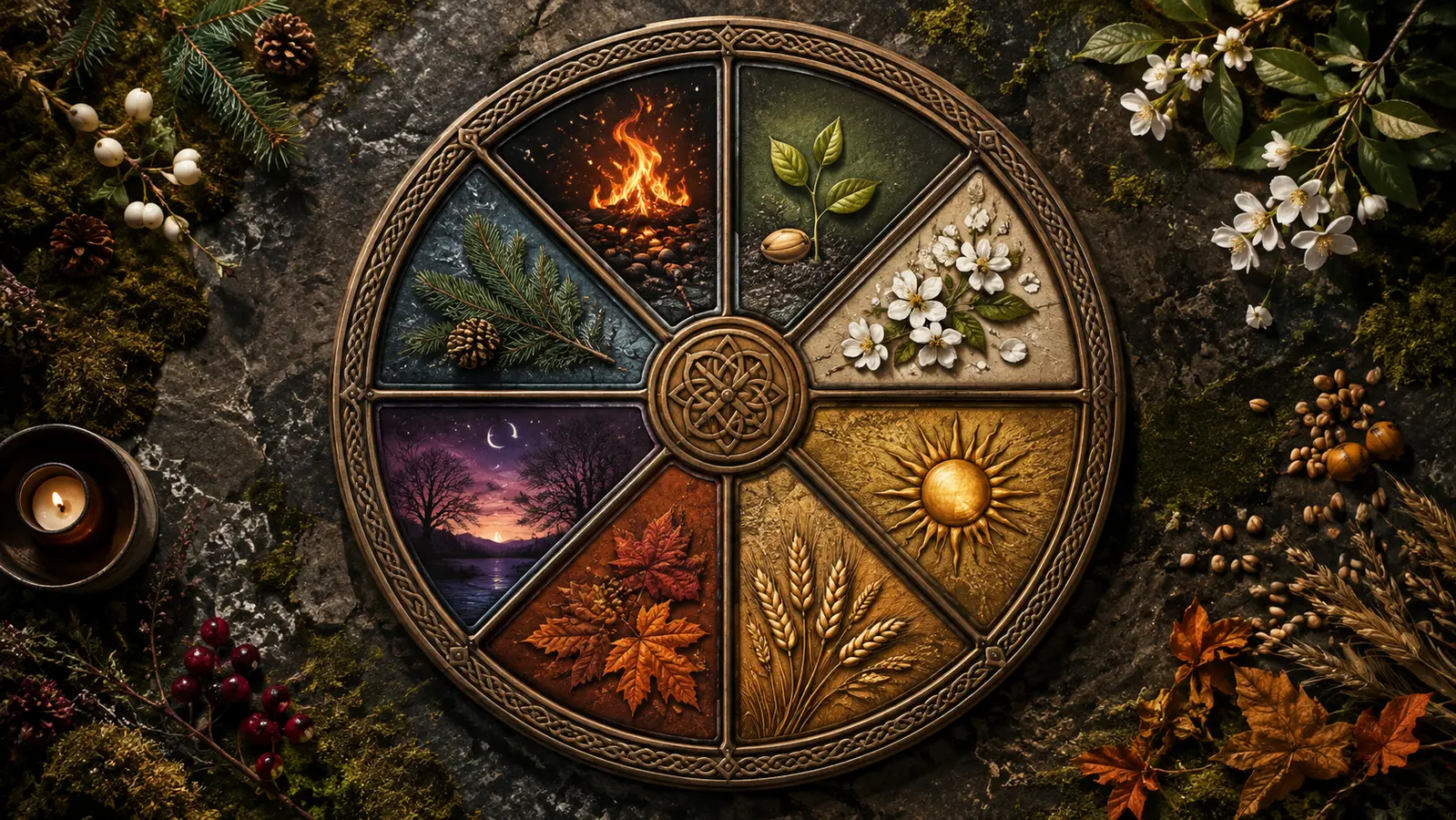
This cyclical view of time so central to Celtic belief, makes Irish New Year’s Eve a blend of joy, remembrance, and gentle wisdom. Much like the music of the bodhrán (learn more), it beats with rhythm and spirit that never fades.

Conclusion: Oíche Chinn Blian; The Irish Heart of Renewal
In a world where New Year’s Eve often means fireworks and resolutions, Ireland offers something richer, a quiet dialogue with the past and a hopeful glance toward the future.
So as the old year fades, raise a toast, Sláinte! and remember the Irish way:
to welcome what’s coming with warmth, gratitude, and grace.