
The Irish Harp: A National Symbol with Ancient Strings

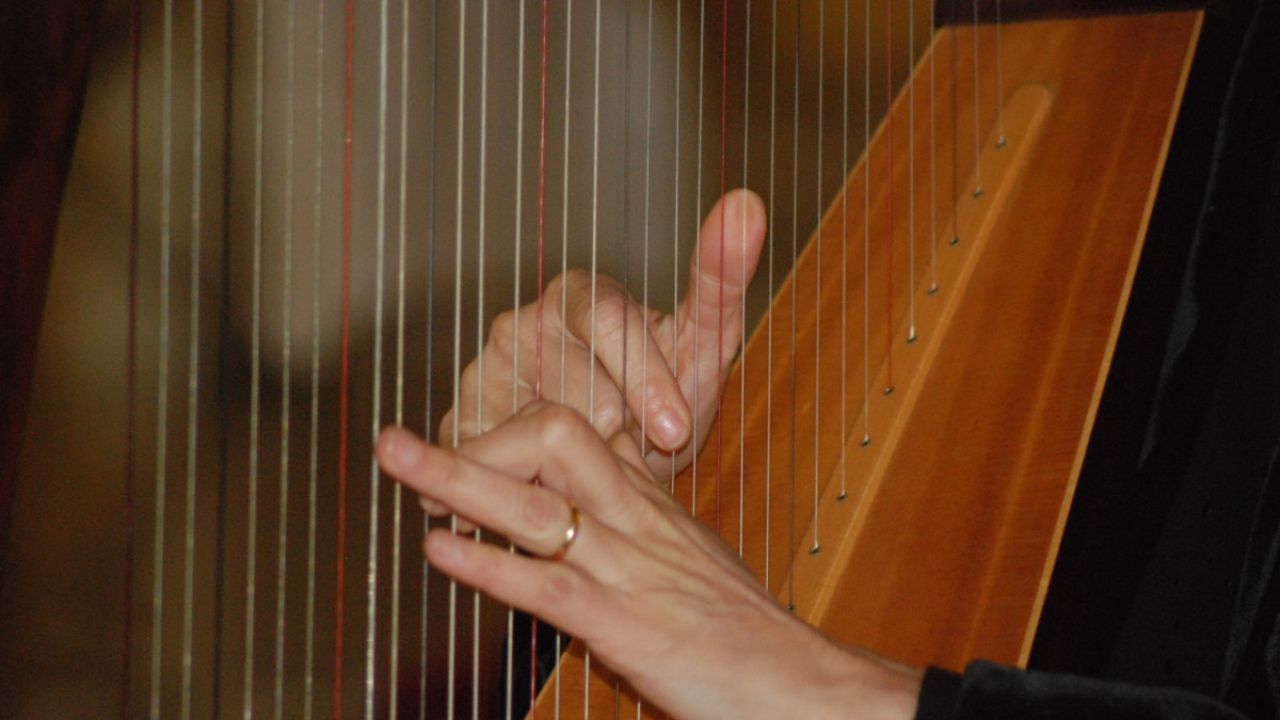
Among the many treasures of Ireland, few carry as much resonance both musical and cultural as the Irish harp. Known in Gaelic as the cláirseach, it is not just an instrument but a national emblem, entwined with Ireland’s identity, mythology, and storytelling traditions (see why storytelling runs deep in Irish culture).
If Scotland’s castles speak in stone, Ireland’s harp sings through strings. It is history you can hear.
Origins of the Irish Harp
The harp’s presence in Ireland stretches back to the early medieval period. Carvings, manuscripts, and bardic traditions all testify to its importance. Its earliest forms were large, wire-strung instruments that produced a bright, resonant tone.
Like Celtic stone carvings, the harp was both art and function, crafted with elegance and played with skill. Harpers were not entertainers in the casual sense; they were custodians of memory, weaving history into melody.
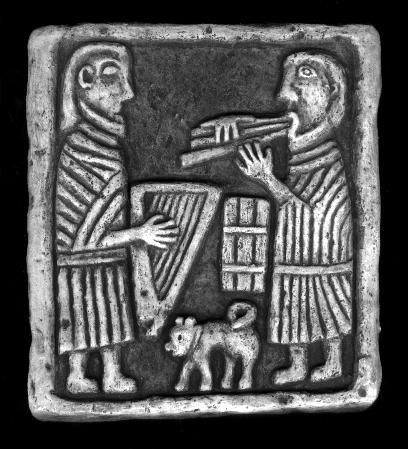
For a deeper look at the harp’s technical evolution, see our full guide on the clarsach.
The Harp and Gaelic Society
In Gaelic Ireland, the harp held a prestige few instruments could rival. Harpers served chieftains and nobles, their music echoing through halls during feasts, ceremonies, and farewells.
This role parallels the symbolic place of the bodhrán drum in later Irish folk music traditions, both instruments embody rhythm and memory, binding communities together.
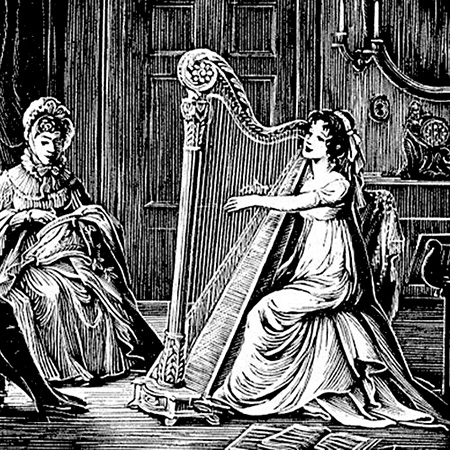
The harp also resonates with oral tradition, complementing the poetic verse of bards and the proverbial wisdom preserved in Gaelic Irish proverbs.
Symbolism and National Identity
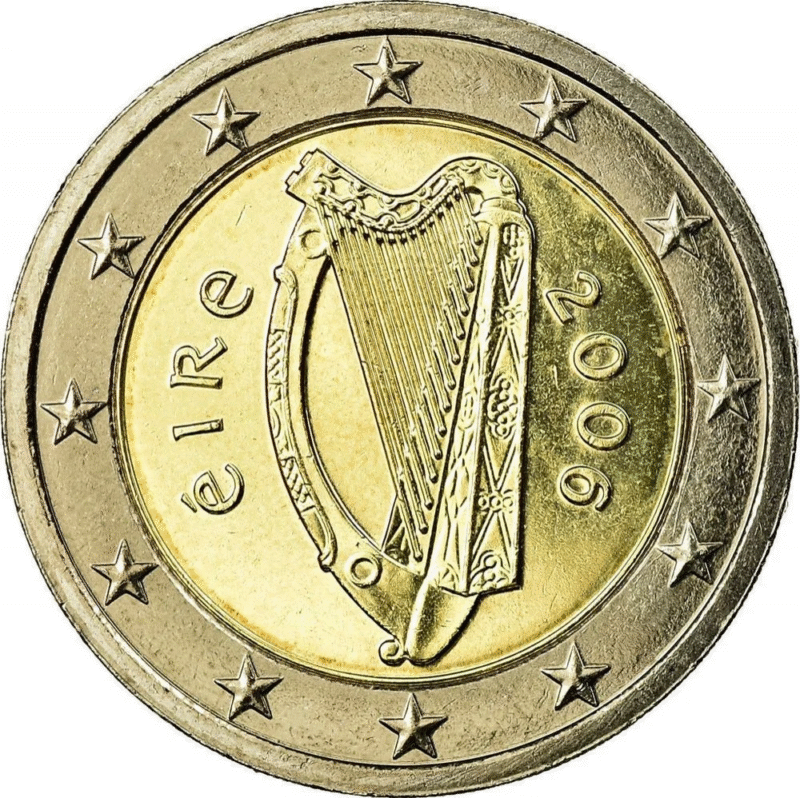
More than a musical instrument, the harp became a political and national symbol. By the 16th century, it appeared on Irish coinage, and today it remains the official emblem of Ireland—found on passports, government seals, and even Guinness stout.
Its endurance reflects Ireland’s ability to preserve cultural roots through times of struggle, such as during the Irish Potato Famine. Like the oak tree in Celtic tradition, the harp symbolizes resilience and continuity.
The Harp in Myth and Legend
Celtic mythology often links music with otherworldly power. The harp is no exception. It was said that the harp could summon joy, sorrow, or sleep, an instrument of emotional mastery.
This echoes wider Celtic mythological motifs, such as the enchanted objects like the Cauldron of Dagda, which also held transformative powers. The harp was not simply played; it was revered as a bridge between worlds.
The Harp Today
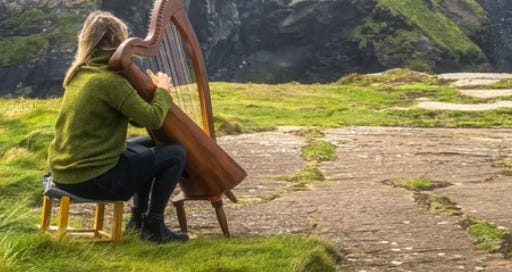
Far from fading into history, the harp thrives in modern Ireland. From conservatories and festivals to contemporary fusion with fiddle and pipes (see fiddle music here), the harp continues to adapt while preserving its ancient soul.
Tourists encounter the harp not only in concerts but across Ireland’s landscapes, engraved on monuments and echoed in cultural spaces, much like the stories tied to Irish holy wells).
Final Thoughts
The Irish harp is more than wood, strings, and sound. It is an emblem of resilience, a storyteller of the past, and a symbol of Irish identity. Whether encountered in medieval manuscripts, national emblems, or modern stages, it remains Ireland’s voice, timeless, melodic, and enduring.
For more explorations into Irish and Celtic traditions, visit our culture and tradition section.