
Irish Festivals: Puck Fair and Fleadh Cheoil Explained

Irish festivals do more than mark dates on a calendar. They perform culture in public. Music, ritual, and storytelling meet in streets and fields, turning memory into movement. Among the many celebrations across Ireland, Puck Fair and Fleadh Cheoil stand out for their age, symbolism, and enduring popularity.
Why Festivals Matter in Irish Culture
Festivals hold Irish history in motion. They keep oral tradition alive, much like Ireland’s deep-rooted storytelling culture, where meaning passes from voice to voice rather than page to page (https://celtguide.com/why-are-irish-people-natural-storytellers/). Each festival creates a shared space where the past speaks clearly to the present.
Puck Fair: Ireland’s Oldest Festival
Puck Fair takes place every August in Killorglin, County Kerry. It claims over four hundred years of history, making it one of Europe’s oldest surviving festivals. The celebration centres on a wild goat, known as the puck, which locals crown as king for three days.
The ritual feels unusual, even playful. Yet it carries deep symbolic weight. The goat likely connects to ancient Celtic fertility rites and seasonal cycles. Some scholars trace echoes of pre-Christian belief systems linked to nature and divine kingship, similar to traditions surrounding Celtic deities such as Lugh (https://celtguide.com/celtic-sun-god-lugh/).
Once crowned, the puck oversees music, markets, and gatherings. The festival blends folklore with fairground energy, turning a rural town into a cultural stage.

The Meaning Behind the Puck
Local legend offers several explanations for the festival’s origin. One story links the goat to warning signals during historic invasions. Another suggests older pagan roots tied to harvest cycles.
Irish folklore often resists singular explanations. Like the layered meanings found in ancient stone symbolism (https://celtguide.com/celtic-stone-carvings/), Puck Fair invites interpretation rather than certainty. That openness keeps the tradition alive.
Fleadh Cheoil: The Heartbeat of Irish Music
While Puck Fair celebrates ritual and spectacle, Fleadh Cheoil na hÉireann celebrates sound. The Fleadh stands as the world’s largest festival of traditional Irish music. It began in 1951 as part of a broader cultural revival.
Each year, musicians gather to compete, perform, and teach. Fiddles, flutes, pipes, and harps fill streets from morning to night. The festival protects musical heritage while encouraging innovation, much like the evolving role of Irish traditional music today (https://celtguide.com/fiddle-music/).

Music, Language, and Community
Fleadh Cheoil does not limit itself to performance. It supports Irish language use, dance, and informal sessions. Children learn tunes alongside seasoned players. Audiences often become participants.
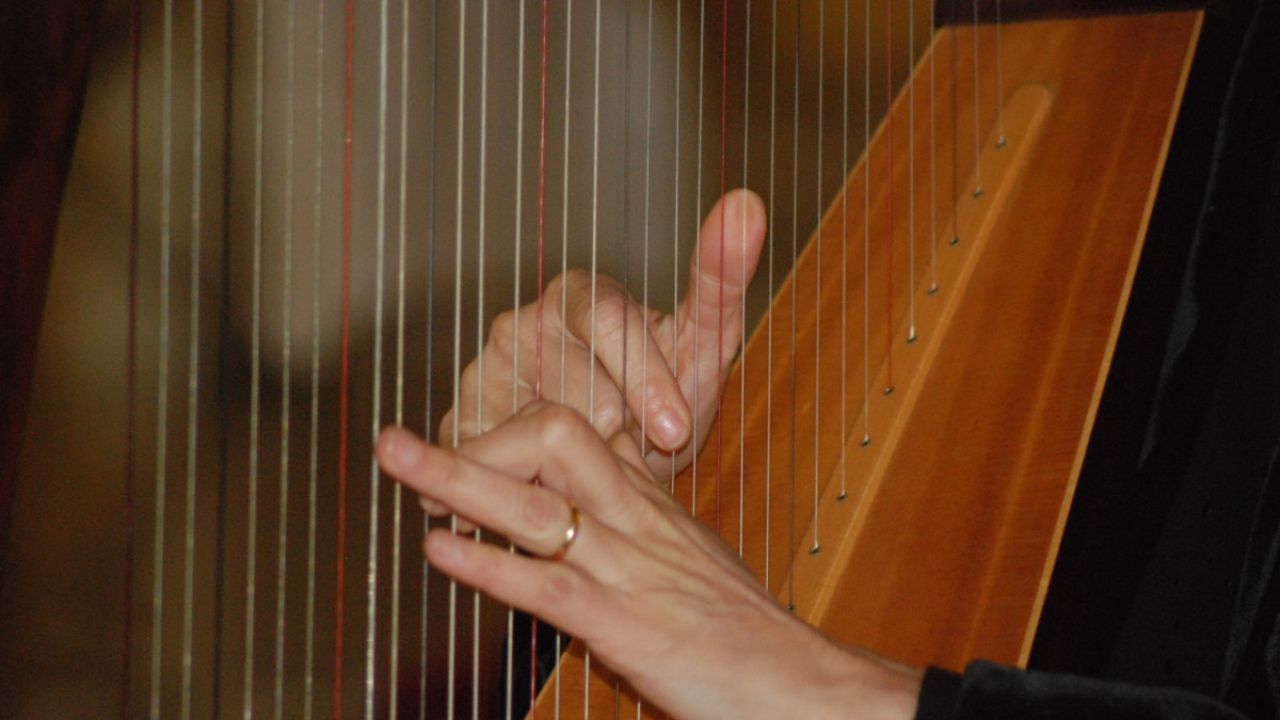
Instruments such as the clàrsach, or Celtic harp, play a visible role, reinforcing Ireland’s musical lineage (https://celtguide.com/what-is-a-clarsach-a-comprehensive-guide-to-the-celtic-harp/). Music here acts as social glue rather than spectacle alone.
Festivals as Cultural Memory
Both Puck Fair and Fleadh Cheoil reveal how festivals preserve identity during change. Ireland faced profound disruption during the nineteenth century, especially after the Great Famine (https://celtguide.com/the-influence-of-the-irish-potato-famine/). Festivals offered continuity when daily life fractured.
Even today, these events anchor communities. They attract visitors, support local economies, and renew pride in place. Like pilgrimage sites such as the Hill of Tara, festivals turn landscape into meaning (https://celtguide.com/hill-of-tara/).
Tradition in a Modern World
Modern Ireland balances heritage with global visibility. Festivals now welcome international audiences while maintaining local control. This balance mirrors how Irish culture adapts without dilution, a pattern seen across music, language, and ritual.
Events such as Fleadh Cheoil prove that tradition thrives when people practice it together, not when they store it away.

Why Irish Festivals Still Endure
Irish festivals endure because they invite participation. They ask people to listen, dance, and remember together. Puck Fair and Fleadh Cheoil show two paths to the same goal: keeping culture active, visible, and shared.
In Ireland, celebration remains a serious act of remembrance.