Irish Cú Chulainn Myths: The Ulster Hero
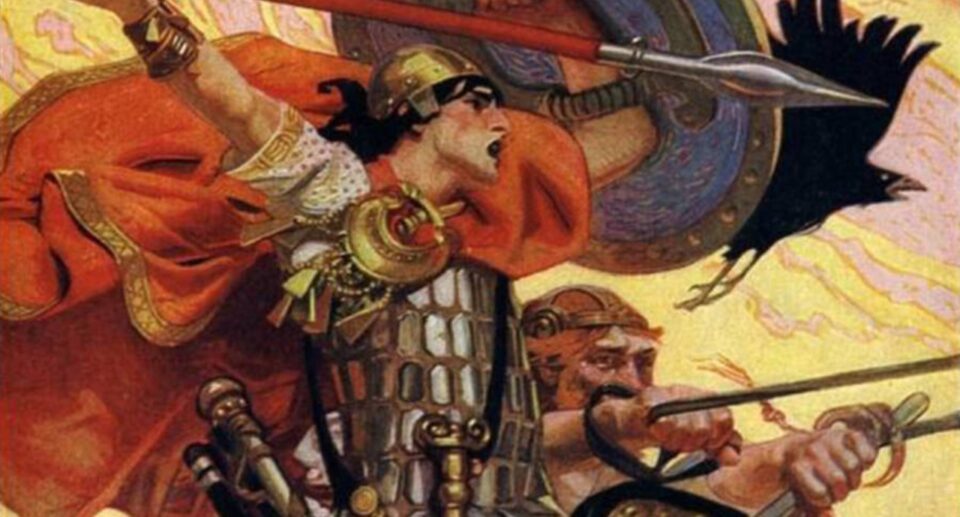
Few figures dominate Irish mythology like Cú Chulainn. His story pulses with energy, violence, loyalty, and tragedy. He stands at the centre of the Ulster Cycle, Ireland’s great heroic tradition. Scholars often compare him to Achilles, yet Cú Chulainn remains distinctly Irish in temperament and setting.
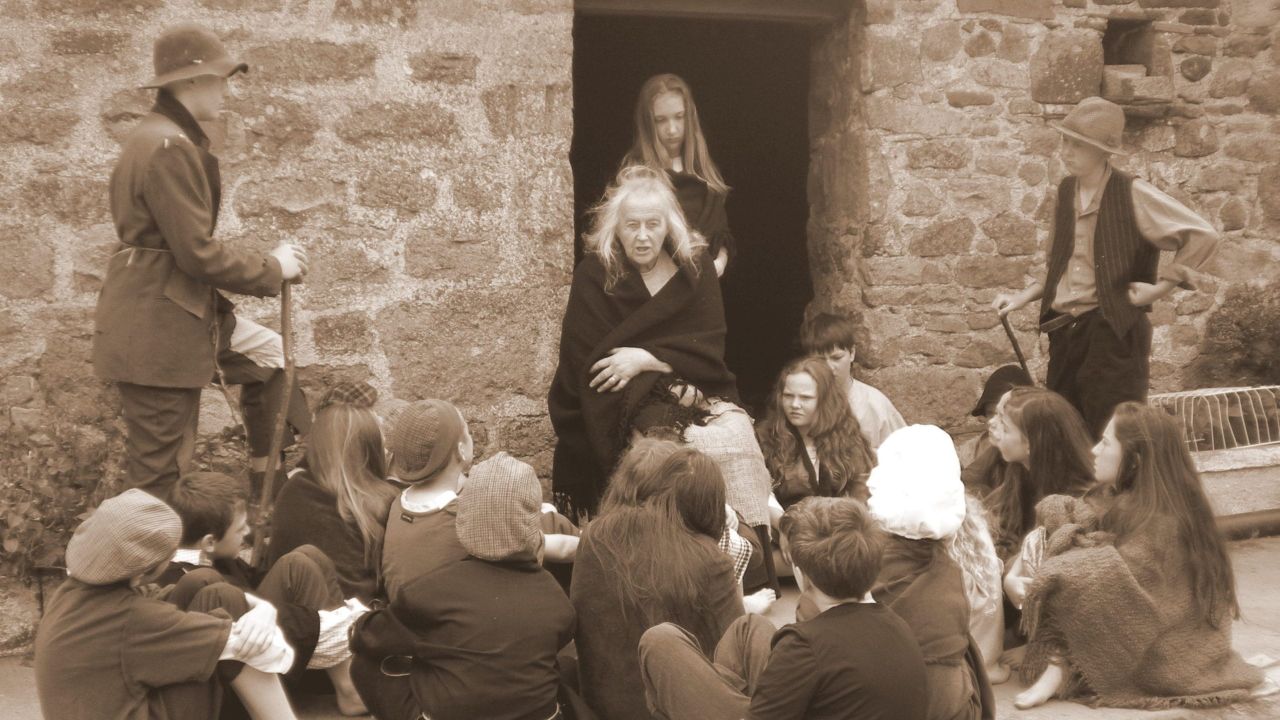
To understand him, we must enter a world shaped by oral storytelling. Ireland preserved its myths through recitation long before monks wrote them down. That deep narrative instinct still defines the culture, as explored in Why Are Irish People Natural Storytellers?
https://celtguide.com/why-are-irish-people-natural-storytellers/
Who Was Cú Chulainn?
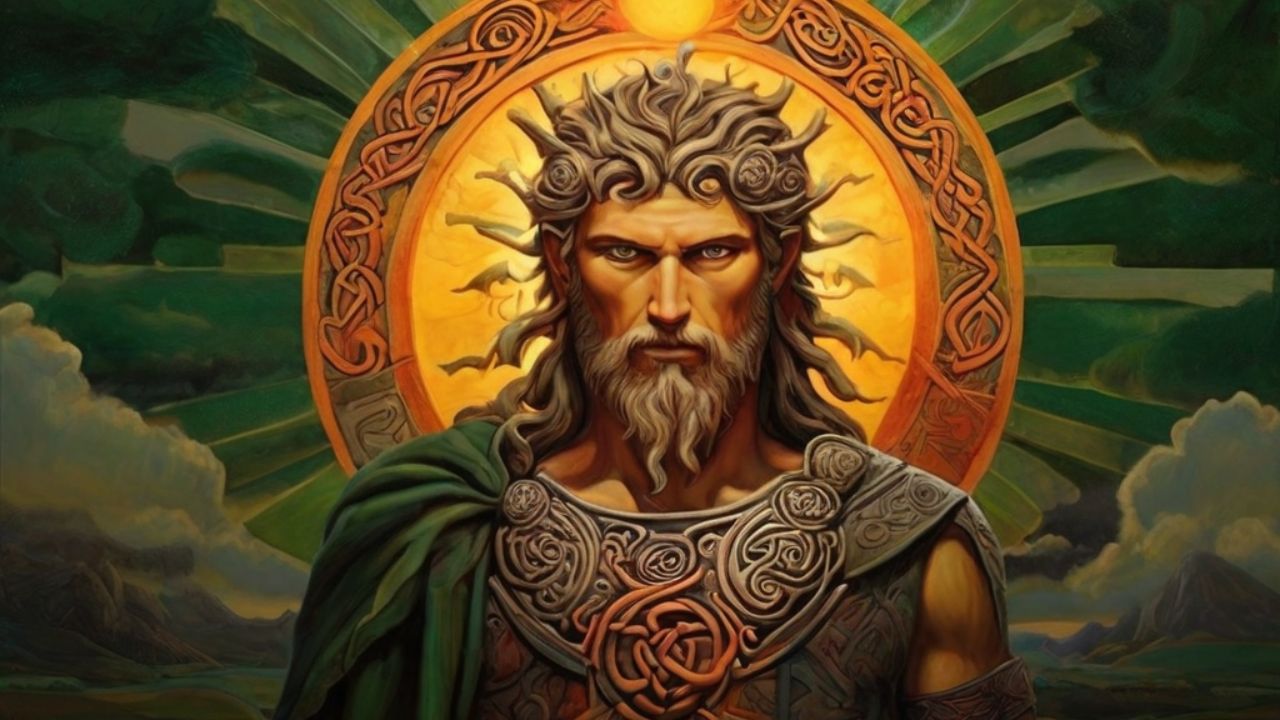
Cú Chulainn was the greatest warrior of Ulster. He was born as Sétanta. According to myth, the god Lugh fathered him. You can explore Lugh’s wider significance in our guide to the Celtic Sun God Lugh.
https://celtguide.com/celtic-sun-god-lugh/
As a boy, Sétanta killed a fierce guard dog in self-defence. He then offered to take its place. From that moment, people called him “Cú Chulainn,” the Hound of Culann.
His life followed a heroic pattern: divine ancestry, early prowess, relentless battles, and a foretold tragic death.
The Táin Bó Cúailnge: Ireland’s Great Epic
The central Cú Chulainn myth appears in the Táin Bó Cúailnge (The Cattle Raid of Cooley). Queen Medb of Connacht invades Ulster to seize a prized bull. A curse weakens the Ulster warriors at the worst moment. Only Cú Chulainn stands fit to fight.
He defends Ulster alone. He challenges enemy champions to single combat. Day after day, he holds the border.
The epic reveals more than martial strength. It explores honour, fate, and youth. Cú Chulainn fights with fury but also with deep loyalty to his people.
The Warp Spasm: A Hero Beyond Control
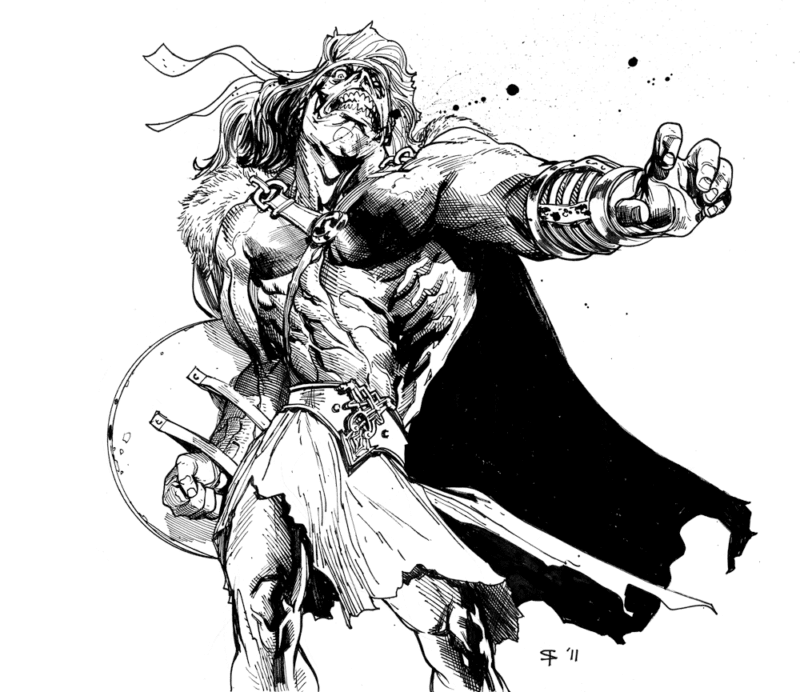
One of the most striking Irish Cú Chulainn myths concerns his “warp spasm” (ríastarthae). In battle, his body transforms. His muscles twist. One eye bulges outward. His hair stands on end.
This transformation symbolises the raw, untamed force of the warrior. It reflects an older Celtic fascination with liminality. Heroes cross boundaries between human and supernatural realms.
You see similar boundary-crossing themes in other Celtic mythic spaces, such as Annwn, the Otherworld.
https://celtguide.com/what-is-annwn/
Training with Scáthach
Cú Chulainn trained in Scotland under the warrior woman Scáthach. She taught him advanced combat skills and gifted him the Gáe Bolga, a deadly spear.
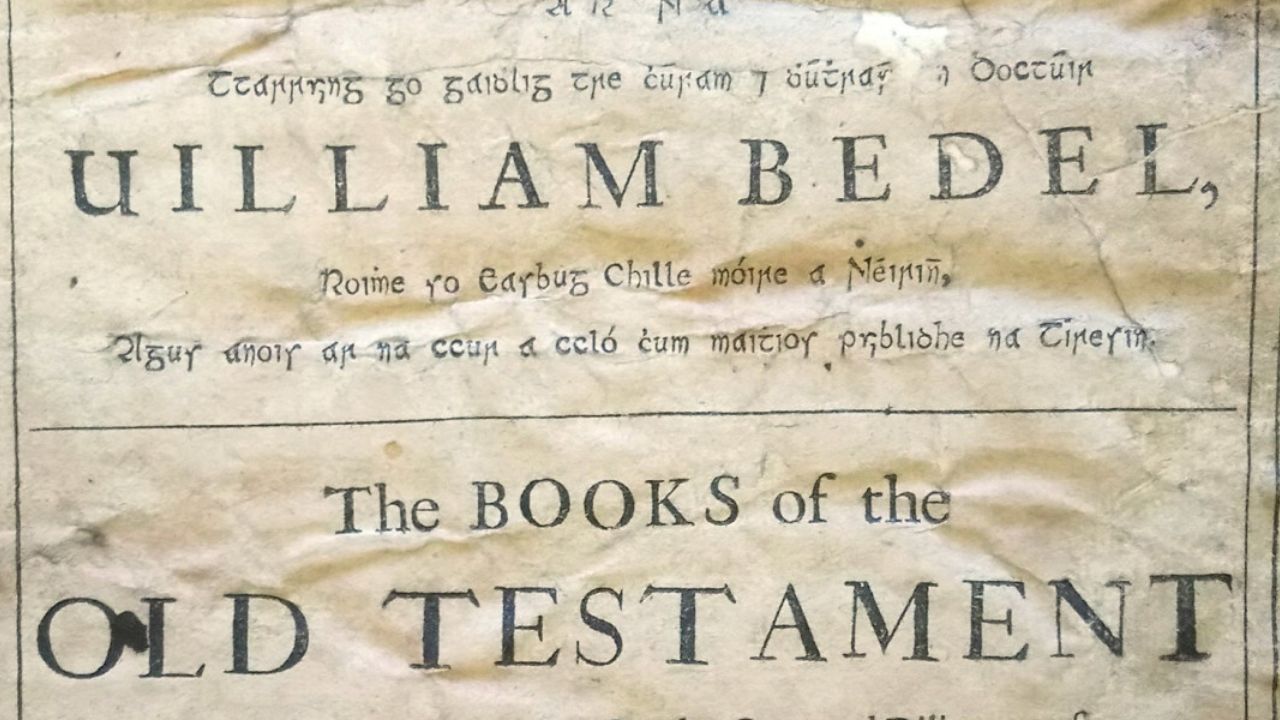
This episode places Irish myth within a broader Gaelic world. Cultural exchange between Ireland and Scotland shaped language, legend, and identity. For further insight into Gaelic continuity, see our overview of Scottish Gaelic Bible Translations.
https://celtguide.com/scottish-gaelic-bible-translations/
Love and Tragedy: Deirdre and the Heroic Code
Cú Chulainn’s life was not defined by war alone. He loved Emer, whom he won after completing heroic trials. Yet tragedy shadowed his relationships. In one tale, he unknowingly kills his own son, Connla, who challenges him in combat.
These myths emphasise the cost of honour. The heroic code demands loyalty above personal happiness.
The Death of Cú Chulainn
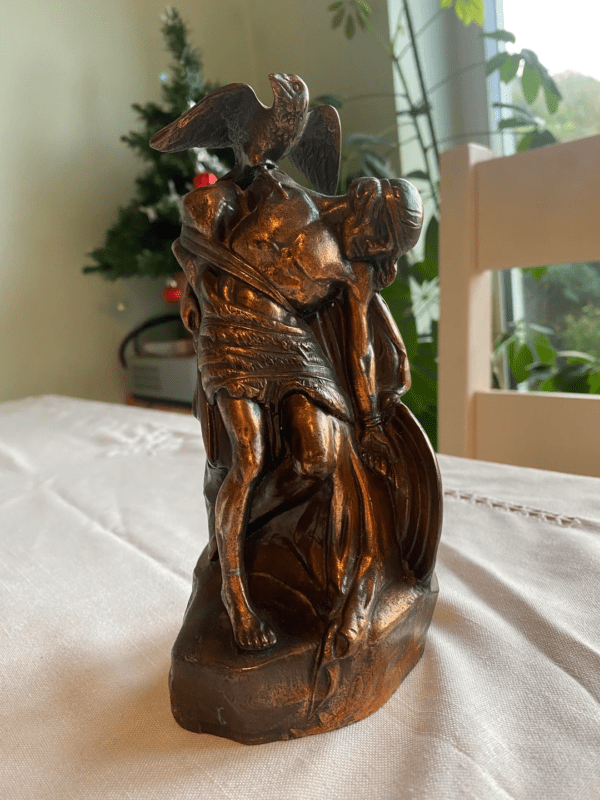
Cú Chulainn’s enemies eventually unite against him. They break sacred taboos to weaken him. Mortally wounded, he ties himself to a standing stone so he can die upright.
Only when a raven lands on his shoulder do his enemies approach. Even in death, he inspires fear.
Standing stones and carved memorials echo this mythic image. Ireland’s landscape still carries such symbolic markers, much like those discussed in our article on Celtic Stone Carvings.
https://celtguide.com/celtic-stone-carvings/
Why Cú Chulainn Still Matters
Irish Cú Chulainn myths shaped national imagination for centuries. Artists, poets, and revolutionaries invoked him as a symbol of courage. His image appeared in political murals and literary works.
Yet his story also warns us. Strength without balance can destroy. Honour can isolate. Heroism demands sacrifice.
For more explorations of Celtic myth and cultural memory, visit the CeltGuide Blog:
https://celtguide.com/blog/
Conclusion
Cú Chulainn embodies the intensity of Irish myth. He bridges human vulnerability and divine force. His life unfolds in brilliance and tragedy.
When we read Irish Cú Chulainn myths, we do not merely encounter an ancient warrior. We encounter a culture wrestling with fate, honour, and identity. That struggle still resonates.