Scottish Estate Tweeds: The Fabric of Highland Heritage

Few fabrics capture the essence of Scotland as perfectly as Estate Tweeds. Those understated, earthy patterns that cloak the Highland landscape in wool and tradition. Unlike the bright formality of clan tartans, estate tweeds were never meant for pageantry but for practicality. They tell a quieter story of land, loyalty, and identity woven into every thread.
The Birth of Estate Tweeds: A Highland Necessity
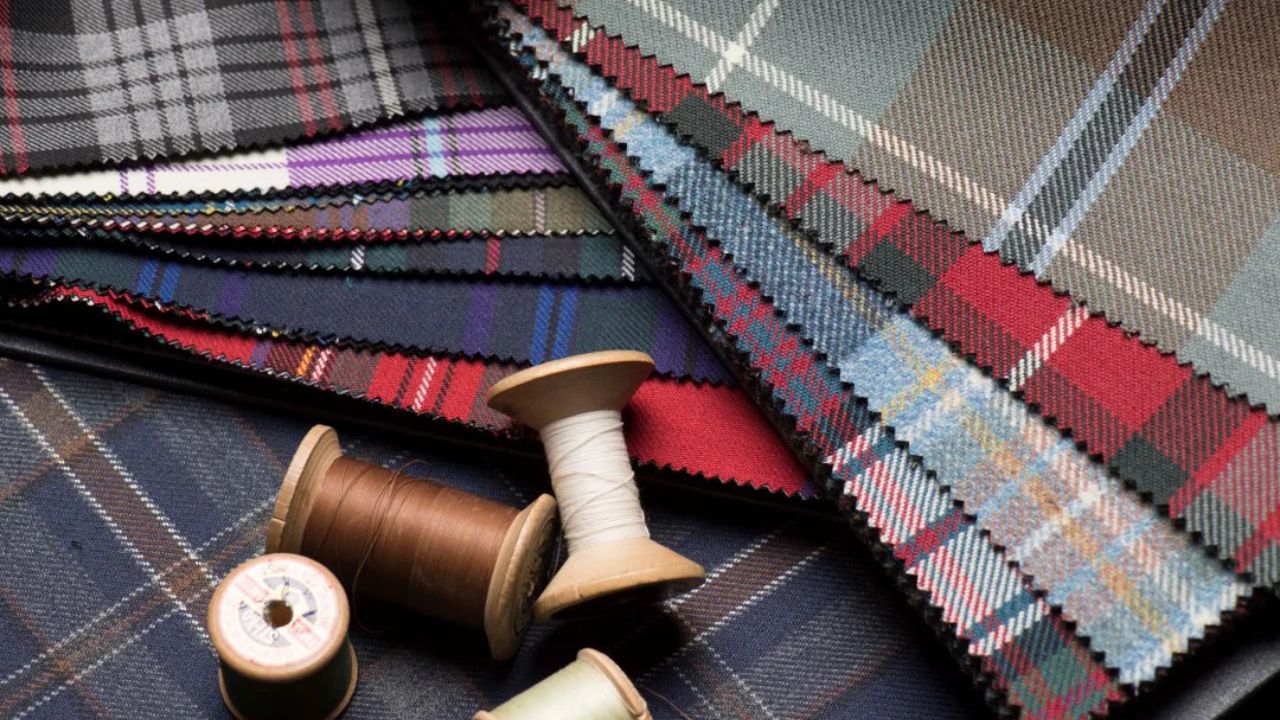
Estate Tweeds emerged in the 19th century, when Scottish lairds and landowners commissioned unique tweed patterns for their estates. Each design blended beautifully with the local landscape—browns of peat bogs, greens of mossy glens, and greys of misty moors.
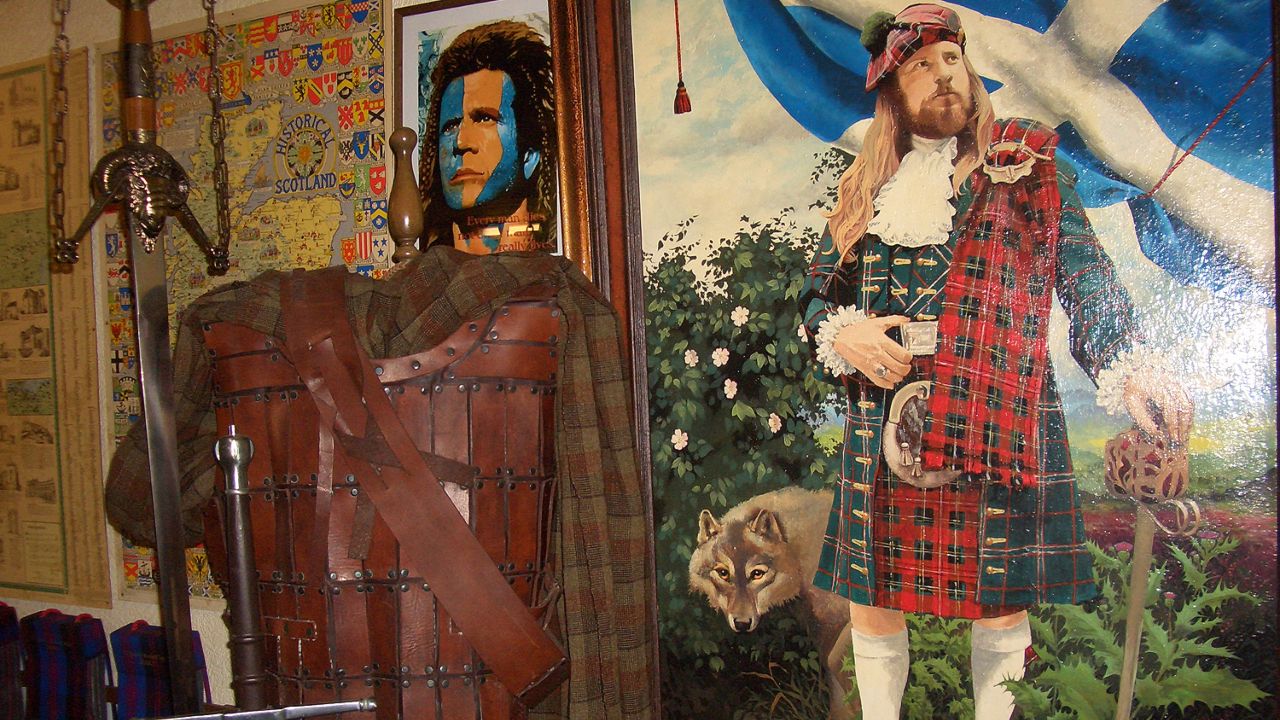
Unlike tartan patterns, which symbolized family lineage, estate tweeds signified place. They allowed gamekeepers, ghillies, and stalkers to blend seamlessly into the environment while also marking their affiliation with a particular estate.
A Signature of the Scottish Landscape
Every estate developed its own tweed identity, designed not by fashion houses but by the land itself. The Duke of Rothesay’s estate might have favored a heather grey, while another favored russet tones echoing the autumn bracken.
The patterns were purpose-built for practical elegance providing warmth, durability, and camouflage during the long stalking seasons. It was artistry in utility, a perfect blend of environment and craftsmanship.
This interplay between design and geography is reminiscent of how Celtic stone carvings reflected their landscapes, ancient art shaped by its surroundings.

From the Estate to the World
By the late 1800s, tweed had leapt from Scottish glens to London drawing rooms. Aristocrats and sportsmen began to favor estate tweeds for their durability and sophistication. Soon, the fabric became synonymous with the rugged elegance of the Highlands, a symbol of refined adventure.
Even today, designers and historians cherish these patterns not only for their visual beauty but for their deep connection to Scottish landownership, tradition, and identity.
You can see a similar evolution of identity through material culture in Scottish tartan shawls, both fabric forms reflecting the cultural shifts of Scotland’s story.

Estate Tweeds vs. Clan Tartans: Woven Identities
At first glance, both tartans and tweeds seem to speak the same visual language of checks and patterns but their stories diverge.
- Clan Tartans represent family heritage, lineage, and unity.
- Estate Tweeds represent land, duty, and locality.
While clan tartans were a declaration of belonging, estate tweeds whispered of stewardship—a quiet pride in the soil and hills one served.
Modern Revival: A Sustainable Tradition
In an era of fast fashion, tweed endures as a symbol of sustainability and craftsmanship. Scottish mills—many of them centuries old—still weave estate tweeds on the same looms that turned wool into heritage generations ago.
Tourists exploring Loch Lomond and the Highlands can often visit these historic mills, witnessing firsthand how estate tweeds continue to embody Scotland’s timeless balance of nature, culture, and artistry.

Final Threads: Scotland’s Quiet Legacy
Scottish Estate Tweeds remain a living heritage; humble yet noble, rooted in both the soil and the spirit of the Highlands. They remind us that identity can be worn softly, expressed not in bright banners but in the calm hues of heather, stone, and mist.
To truly understand Scottish fashion is to see how land, lineage, and craftsmanship weave together just as the Tam O’Shanter hat or the Highland kilt do into a story of enduring pride.